
Trump Administration Live Updates: President Targets European Leaders and Doubles Down on Greenland Threats
Latest developments as tensions rise over international diplomacy and strategic territories.
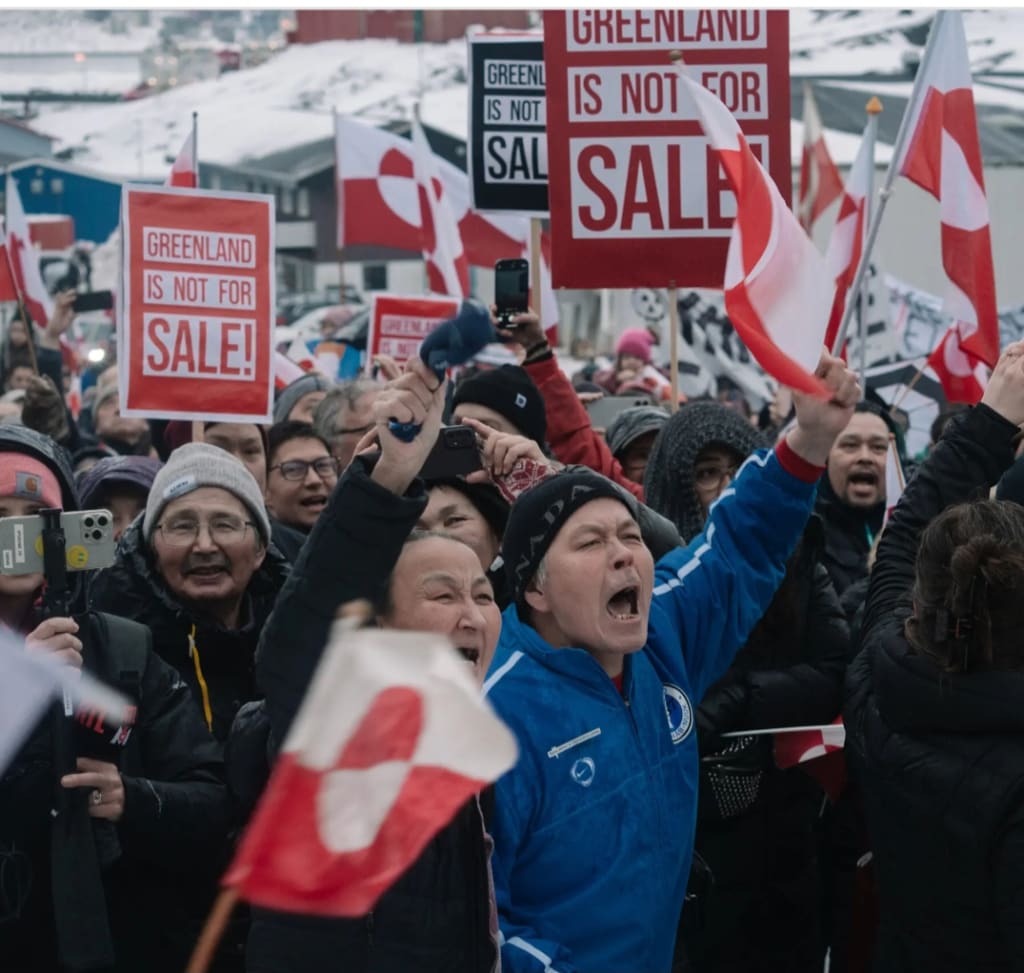
The Trump administration has once again grabbed global headlines with its direct statements targeting European leaders and renewed threats regarding Greenland, intensifying diplomatic tensions. This comes amid ongoing discussions about trade, territorial influence, and the United States’ strategic interests in the Arctic region.
As international leaders respond and analysts weigh in, the situation remains dynamic, with new developments emerging rapidly. Here’s a detailed update on the latest actions and their implications.
Trump Targets European Leaders
In a series of public remarks, President Donald Trump has criticized European nations over trade policies, defense spending, and contributions to international alliances. Key points include:
Trade Disputes: Trump reiterated concerns about trade imbalances with the European Union, threatening tariffs on certain imports unless negotiations reach favorable terms for the United States.
Defense Spending: The President urged European NATO members to increase defense contributions, echoing previous demands that allies share a larger burden of military expenditures.
Diplomatic Tensions: Critics argue that the aggressive rhetoric risks straining long-standing alliances, while supporters claim it demonstrates America’s commitment to fairness in global partnerships.
These statements signal that the Trump administration is taking a hardline approach toward Europe, seeking to assert U.S. economic and strategic priorities.
Greenland on the Agenda Again
Greenland has become a focal point of U.S. strategic interest due to its geopolitical location and natural resources. The Trump administration’s renewed threats and statements have raised eyebrows internationally.
Previous Proposal: Earlier, the President expressed interest in purchasing Greenland, citing strategic and defense considerations.
Current Actions: The administration is reportedly exploring expanded military presence and strategic agreements with Greenlandic authorities, emphasizing the region’s importance in Arctic security and resource management.
International Reactions: European nations and Denmark, which governs Greenland, have rejected purchase proposals and cautioned against unilateral U.S. actions, highlighting potential diplomatic friction.
Analysts suggest that Greenland is now a symbol of U.S. strategic ambition in the Arctic, with implications for global influence, climate research, and resource extraction.
Trade, Diplomacy, and Global Tensions
The combination of European criticism and Arctic ambitions underscores broader geopolitical tensions. Several key factors are driving the current scenario:
Protectionist Policies: The Trump administration continues to emphasize American economic interests, including renegotiating trade deals and imposing tariffs where deemed necessary.
Strategic Military Interests: Greenland’s location makes it a critical hub for Arctic surveillance and defense, especially as Russia and China increase their Arctic presence.
Alliance Strains: The aggressive messaging toward European allies may test the cohesion of NATO and transatlantic relations, challenging traditional diplomatic frameworks.
The administration’s approach blends economic, military, and diplomatic pressures to assert U.S. priorities on the global stage.
Domestic Reactions and Political Implications
Within the United States, reactions to the President’s statements are mixed:
Supporters argue that the administration is demonstrating strength and leadership, protecting American interests abroad.
Critics warn that aggressive rhetoric risks alienating allies, creating international uncertainty, and undermining diplomatic norms.
Congressional Perspectives: Lawmakers from both parties are scrutinizing Greenland-related plans and trade policies, raising questions about executive authority, budget implications, and long-term strategy.
The evolving situation is influencing domestic politics, with discussions around foreign policy, defense spending, and economic strategy dominating public debate.
International Perspectives
European leaders and other global stakeholders are closely monitoring developments:
Denmark and Greenland: Officials reaffirm sovereignty over Greenland and insist on consultation and mutual respect for any agreements involving U.S. interests.
European Union: EU officials have expressed concern over tariff threats and political pressure, emphasizing dialogue over confrontation.
Other Arctic Nations: Countries with Arctic interests, including Canada, Norway, and Russia, are watching developments closely, particularly regarding military and environmental implications.
The international response highlights the complex interplay of diplomacy, security, and economic interests in this unfolding scenario.
Implications for Global Security
Experts suggest that the administration’s focus on Europe and Greenland has several potential consequences:
Strategic Repositioning: Increased U.S. interest in Greenland could reshape Arctic geopolitics, with implications for defense infrastructure, trade routes, and resource exploration.
Alliance Dynamics: Tensions with European allies may prompt re-evaluation of NATO commitments and defense collaboration, influencing long-term security strategies.
Global Market Impact: Trade disputes with Europe could affect global supply chains, tariffs, and economic stability, impacting industries from agriculture to manufacturing.
The situation illustrates how U.S. foreign policy decisions can ripple across multiple domains, affecting both security and economic frameworks worldwide.
Live Updates and Ongoing Coverage
The Trump administration’s statements are part of a rapidly evolving story, with live updates emerging daily. Analysts and media outlets are tracking:
Press briefings and official statements from the White House
European diplomatic responses and negotiations
Greenlandic authorities’ communications and policy positions
Market reactions to potential trade and strategic shifts
For those following international relations and geopolitical strategy, these updates offer real-time insight into the U.S. administration’s priorities and global impact.
Conclusion
The Trump administration’s targeting of European leaders and focus on Greenland reflects a bold and controversial approach to foreign policy. By combining trade pressure, diplomatic messaging, and strategic interest in the Arctic, the administration is asserting U.S. influence in ways that have drawn global attention and debate.
As tensions unfold, both domestic and international observers will continue to monitor the implications for alliance cohesion, Arctic security, and global economic relations. The story serves as a reminder that foreign policy decisions resonate far beyond borders, shaping the future of international collaboration and strategic positioning.
About the Creator
Keep reading
More stories from Aarif Lashari and writers in The Swamp and other communities.
The Bombshell Claims in Brooklyn Beckham's Post – From Wedding Dress Drama to ‘Hijacked’ First Dance
Brooklyn Beckham, the eldest son of David and Victoria Beckham, has ignited a media frenzy with a recent post that has left fans and followers buzzing with curiosity and speculation. The post contains a series of bombshell claims about his high-profile wedding, including alleged drama over the wedding dress and a first dance that reportedly didn’t go as planned.
By Aarif Lashariabout 9 hours ago in The Swamp
Kianna Underwood
In an entertainment industry that often defines young talent by a single platform or breakout moment, Kianna Underwood represents a refreshing shift. Rather than being boxed into one label, she is steadily shaping a multifaceted identity built on creativity, adaptability, and authenticity. While many audiences first associate Kianna Underwood with Nickelodeon, her journey reflects far more than a network credit—it highlights the evolving path of modern entertainers who balance visibility with personal growth. From early exposure to mainstream media to her expanding presence beyond traditional television, Kianna Underwood’s story mirrors the changing landscape of youth entertainment. Early Ambitions and Creative Foundations Like many performers drawn to acting and media at a young age, Kianna Underwood’s passion didn’t emerge overnight. Her early interest in storytelling, performance, and self-expression laid the groundwork for future opportunities. Rather than chasing fame, she focused on learning how to communicate emotion, connect with audiences, and adapt to different creative environments. These formative years helped her develop discipline—an often overlooked quality in young performers. Whether through acting, creative collaboration, or on-camera experience, Kianna learned that consistency and preparation matter just as much as natural talent. Kianna Underwood and Nickelodeon: A Defining Chapter For many viewers, Kianna Underwood Nickelodeon is the phrase that first brings recognition. Nickelodeon has long served as a launchpad for young performers, offering not only visibility but also structured environments where emerging talent can learn the mechanics of television production. Being associated with Nickelodeon places Kianna Underwood within a legacy network known for shaping cultural moments for younger audiences. The experience exposed her to fast-paced production schedules, collaborative storytelling, and the responsibility of creating content that resonates with families and children alike. However, what sets Kianna apart is her understanding that Nickelodeon is a chapter—not the entire book. Rather than relying solely on network recognition, she has used the experience as a stepping stone toward broader creative goals. Navigating Life After the Spotlight One of the biggest challenges young actors face is transitioning beyond early exposure. The entertainment industry moves quickly, and staying relevant requires adaptability. Kianna Underwood’s approach reflects maturity beyond her years—she recognizes the importance of growth, reinvention, and long-term vision. Instead of chasing immediate validation, she has shown interest in expanding her skills. This includes exploring creative avenues that allow more personal expression, whether through digital platforms, collaborative projects, or behind-the-scenes learning. In today’s media ecosystem, versatility is power, and Kianna seems aware of that reality. Her journey highlights an important truth: success is not always loud. Sometimes it unfolds quietly through deliberate choices and steady progress. Representation and Relatability Audiences today connect most strongly with individuals who feel genuine. Kianna Underwood’s appeal lies in her relatability—she doesn’t present herself as untouchable or overly curated. This authenticity is especially important for younger viewers who look to public figures as examples rather than idols. By staying grounded, Kianna contributes to a healthier representation of young talent in media. She demonstrates that it’s possible to participate in major platforms like Nickelodeon while still maintaining individuality and balance. This grounded presence helps her stand out in an industry that often prioritizes image over substance. The Influence of Nickelodeon on Career Development Working with Nickelodeon provides more than screen time—it offers mentorship, structure, and exposure to industry standards. For Kianna Underwood, this experience likely played a key role in shaping her professionalism and creative confidence. Nickelodeon alumni often speak about the importance of teamwork and discipline learned during their time with the network. These lessons tend to carry forward, influencing how performers approach future opportunities. Kianna Underwood’s association with Nickelodeon places her within that tradition of growth-focused development rather than short-term stardom. Looking Toward the Future As Kianna Underwood continues to evolve, her career path remains open-ended—and that’s a strength. In a world where entertainers are no longer limited to television alone, she has the opportunity to explore acting, digital media, advocacy, or creative entrepreneurship. What matters most is intention. Rather than being defined solely by “Kianna Underwood Nickelodeon,” she has the chance to redefine what success looks like on her own terms. Whether she chooses to remain in front of the camera or expand into other creative roles, her foundation positions her well for sustainable growth. A New Model for Young Talent Kianna Underwood represents a new generation of entertainers—one that values balance, authenticity, and purpose. Her journey reminds audiences that early recognition doesn’t have to dictate an entire career. With thoughtful choices and continued self-discovery, she exemplifies how young creatives can navigate fame without losing themselves in it. As the entertainment industry continues to change, stories like Kianna Underwood’s offer a hopeful perspective. They show that talent, when paired with self-awareness and patience, can lead to meaningful and lasting impact. In the end, Kianna Underwood is more than a name associated with Nickelodeon. She is a developing creative voice—one that reflects where youth entertainment is headed, and why authenticity matters more than ever
By Saboor Brohi 4 days ago in The Swamp




Comments
There are no comments for this story
Be the first to respond and start the conversation.