
Trump Administration Halts Immigrant Visa Processing From 75 Countries
Sweeping immigration move raises legal, humanitarian, and diplomatic concerns worldwide

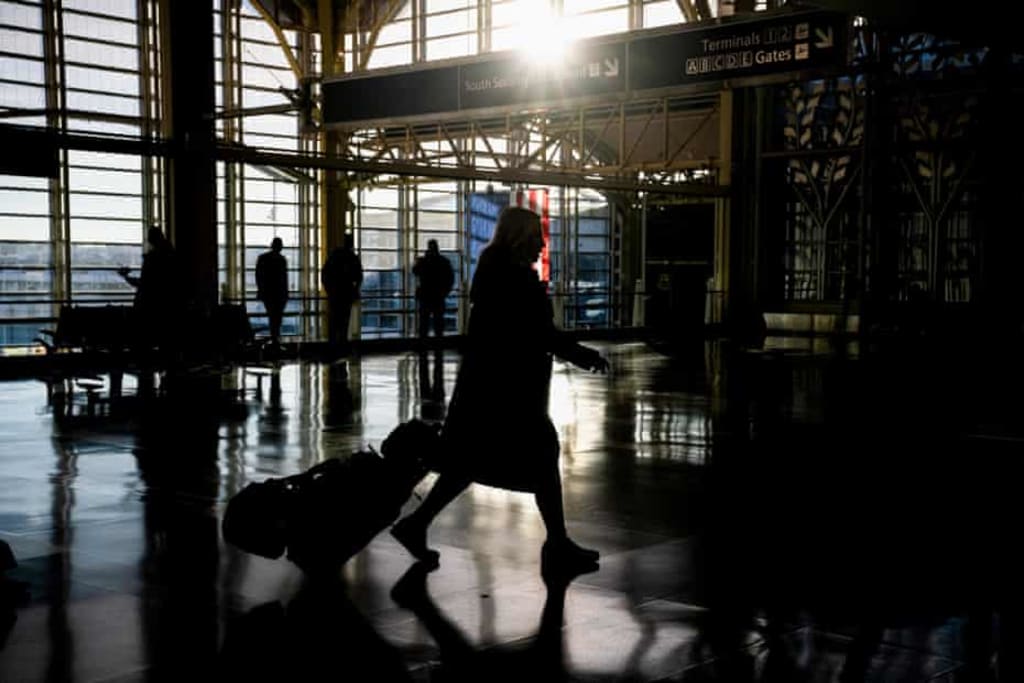
The Trump administration has announced a halt to immigrant visa processing from 75 countries, a decision that has sent shockwaves through immigrant communities, diplomatic circles, and human rights organizations. The move represents one of the most expansive immigration restrictions in recent U.S. history and has reignited debate over border security, national interest, and America’s role as a destination for migrants.
While officials frame the decision as a security and administrative measure, critics argue it carries profound humanitarian and geopolitical consequences.
What the Policy Entails
Under the new directive, U.S. embassies and consulates have been instructed to suspend immigrant visa processing for applicants from 75 countries. The halt affects individuals seeking permanent residency through family reunification, employment-based immigration, and diversity visa programs.
Temporary visas, such as student and tourist visas, may still be processed in some cases, though applicants are reporting delays and uncertainty. The administration has not provided a uniform timeline for when immigrant visa services might resume.
Officials emphasized that the policy is subject to review and could be adjusted based on compliance and security assessments.
Administration’s Justification
The Trump administration has defended the move by citing national security, fraud prevention, and administrative capacity concerns. According to officials, the suspension allows U.S. agencies to reassess vetting procedures, ensure cooperation from foreign governments, and strengthen identity verification systems.
Supporters of the policy argue that immigration controls are a sovereign right and that stricter screening is necessary to protect domestic interests. They also claim the halt is temporary and designed to improve long-term immigration integrity.
Countries Affected and Global Impact
Although the full list of the 75 countries has not been officially detailed in a single release, reports suggest the affected nations span Africa, the Middle East, Asia, and parts of Latin America. Many of these countries already face limited diplomatic resources, making the suspension particularly disruptive.
The decision has immediate global repercussions, straining bilateral relations and prompting diplomatic inquiries from governments seeking clarification for their citizens. For some nations, the policy risks undermining years of cooperation on migration management and security.
Humanitarian and Family Consequences
Immigration advocates warn that the halt will separate families, delay reunifications, and disrupt lives already shaped by years of legal immigration processes. Many applicants have spent thousands of dollars and waited years for approvals, only to find their cases suddenly frozen.
For refugees and individuals fleeing conflict or economic hardship, the suspension could leave them in precarious situations with limited alternatives. Human rights groups argue that broad-based restrictions fail to account for individual circumstances and risk causing unnecessary suffering.
Legal and Political Challenges
The policy is expected to face legal scrutiny, particularly over whether it violates U.S. immigration law or constitutional protections. Past immigration restrictions introduced during the Trump presidency sparked prolonged court battles, some of which reached the Supreme Court.
Domestically, reactions have been sharply divided. Supporters view the halt as a necessary assertion of border control, while opponents see it as discriminatory and counterproductive. Lawmakers from both parties have called for greater transparency regarding the criteria used to select the affected countries.
Economic Implications
Beyond humanitarian concerns, the suspension may also have economic consequences. Immigrant workers play a critical role in sectors such as healthcare, technology, agriculture, and construction. Halting visa processing could exacerbate labor shortages and slow economic growth.
Business groups have expressed concern that limiting employment-based immigration may reduce U.S. competitiveness, particularly as other countries seek to attract global talent.
International Image and Soft Power
The United States has long promoted itself as a nation built by immigrants. Critics argue that policies like this undermine America’s global image and soft power, weakening its moral authority on human rights and democratic values.
At a time of heightened global displacement, the decision may also encourage other countries to adopt similarly restrictive policies, potentially worsening international migration challenges.
What Happens Next?
Officials say the visa halt will remain in place pending further reviews, though no specific benchmarks have been publicly outlined. Applicants are advised to monitor embassy announcements and consult legal experts.
Advocacy groups continue to push for exemptions, humanitarian waivers, and clearer guidance. Meanwhile, affected families and individuals remain in limbo, waiting for clarity on their futures.
Conclusion
The Trump administration’s decision to halt immigrant visa processing from 75 countries marks a significant shift in U.S. immigration policy. While framed as a security and administrative measure, the move carries far-reaching humanitarian, economic, and diplomatic consequences.
As legal challenges and political debate intensify, the policy raises fundamental questions about how the United States balances national security with its long-standing identity as a nation of immigrants. The outcome will not only shape immigration policy but also influence America’s global standing for years to come.
About the Creator
Asad Ali
I'm Asad Ali, a passionate blogger with 3 years of experience creating engaging and informative content across various niches. I specialize in crafting SEO-friendly articles that drive traffic and deliver value to readers.
Iran Edges Closer to a Revolution That Would Reshape the World
For decades, Iran has existed in a state of controlled tension — balancing public dissent, economic pressure, and rigid political authority. Today, that balance appears more fragile than ever. From widespread protests and economic collapse to generational defiance and geopolitical strain, Iran is edging closer to a revolutionary moment that could dramatically reshape not only the Middle East, but the world.
By Aqib Hussain4 days ago in The Swamp


Comments
There are no comments for this story
Be the first to respond and start the conversation.