
Trump Administration Ends Temporary Protected Status for Somalis in the US
Introduction: A Decision That Shakes Immigrant Communities
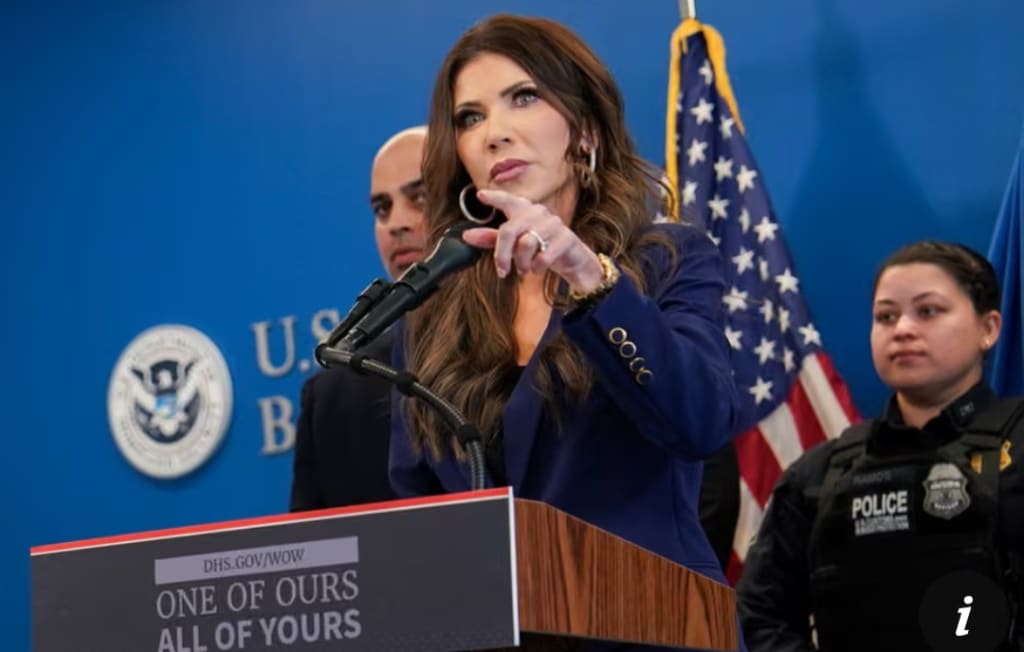
The Trump administration has officially ended Temporary Protected Status (TPS) for Somali nationals living in the United States, a move that could place tens of thousands of people at risk of deportation. The decision has sent shockwaves through Somali-American communities and sparked strong reactions from lawmakers, human rights organizations, and immigration advocates. At the heart of the controversy lies a fundamental question: is Somalia safe enough for its citizens to return after decades of conflict and instability?
As the policy change moves forward, it raises serious humanitarian, legal, and political concerns about the future of one of America’s longest-protected immigrant groups.
What Is Temporary Protected Status?
Temporary Protected Status is a humanitarian immigration program that allows nationals of designated countries to live and work legally in the US when conditions in their home countries make safe return impossible. These conditions typically include armed conflict, natural disasters, or other extraordinary circumstances.
Somalia has been designated for TPS for decades due to ongoing civil war, terrorism, political instability, and recurring humanitarian crises such as famine and mass displacement. TPS does not provide permanent residency, but it has allowed Somalis to build stable lives in the US while conditions at home remain unsafe.
The Trump Administration’s Rationale
Officials from the Trump administration argue that TPS was never intended to be permanent and that conditions in Somalia have improved enough to justify ending the designation. They point to political developments, the establishment of a federal government, and international engagement as signs of progress.
The decision aligns with the administration’s broader immigration agenda, which aimed to reduce humanitarian protections, increase deportations, and strictly interpret immigration law. Similar efforts were made to end TPS for other nationalities, including Haitians, Salvadorans, and Hondurans.
Who Will Be Affected
An estimated tens of thousands of Somali nationals currently living in the US under TPS could be affected by the decision. Many have lived in the country for decades, working legally, paying taxes, and raising families. Some arrived as children and have little or no memory of life in Somalia.
The end of TPS means beneficiaries will lose work authorization and legal protection from deportation unless they qualify for another immigration status. For many, options such as asylum or permanent residency are limited, expensive, or unavailable.
US-born children of TPS holders also face uncertainty, as families fear separation if parents are forced to leave.
Conditions in Somalia Remain Dangerous
Human rights organizations strongly dispute claims that Somalia is safe for large-scale returns. Despite some political progress, the country continues to face serious security challenges. Armed militant groups remain active, carrying out attacks in major cities. Access to healthcare, education, and basic services is limited in many regions.
Somalia is also vulnerable to climate-related disasters, including droughts and flooding, which have displaced millions and worsened food insecurity. Aid agencies warn that the country lacks the capacity to absorb returning migrants, especially those who have spent most of their lives abroad.
Community Impact in the United States
Somali-American communities are concentrated in cities such as Minneapolis, Columbus, and Seattle, where they have become integral to local economies and cultural life. Somali immigrants work in healthcare, transportation, manufacturing, and small businesses, filling critical labor shortages.
Community leaders warn that ending TPS will destabilize families and neighborhoods. Fear of deportation may push people out of the workforce and into the shadows, reducing trust in public institutions and harming local economies.
Mosques, community centers, and advocacy groups have reported increased anxiety, with families seeking legal advice and emergency planning.
Legal and Human Rights Challenges
Immigration advocates have criticized the administration’s decision as arbitrary and politically motivated. Lawsuits are expected, arguing that the termination of TPS fails to adequately consider current conditions in Somalia and violates administrative law.
Previous attempts to end TPS for other groups have been blocked or delayed by courts, which found that the government did not properly justify its decisions or ignored humanitarian evidence. Legal experts say similar challenges could slow or halt the removal of protections for Somalis.
Human rights groups also argue that deporting Somalis could violate international obligations by exposing individuals to serious harm.
Political and Racial Dimensions
Critics note that Somali TPS holders are predominantly Black and Muslim, raising concerns about racial and religious bias in immigration enforcement. They argue that the administration’s approach reflects a broader pattern of hostility toward non-European immigrants.
Supporters of the policy counter that immigration laws must be applied consistently and that temporary programs should not become permanent pathways by default. This divide reflects a broader national debate over immigration, identity, and responsibility.
Economic Consequences
Ending TPS could have significant economic consequences for both Somali families and the broader US economy. Many TPS holders are long-term employees whose removal would disrupt workplaces and increase costs for employers.
Studies have shown that TPS recipients contribute billions of dollars annually in taxes and consumer spending. Losing this workforce could strain industries already facing labor shortages, particularly in healthcare and logistics.
What Comes Next
The timeline for ending TPS includes a transition period, during which beneficiaries are expected to prepare for departure or seek alternative legal status. However, ongoing lawsuits, congressional intervention, or future administrative changes could alter the outcome.
Lawmakers from states with large Somali populations have called for legislative solutions, including permanent residency pathways for long-term TPS holders. Advocates argue that people who have lived in the US for decades deserve stability and recognition.
Conclusion: A Defining Moment for US Immigration Policy
The Trump administration’s decision to end Temporary Protected Status for Somalis marks a pivotal moment in US immigration policy. For thousands of families, it threatens to undo years of stability and contribution in a matter of months.
As courts, communities, and policymakers respond, the outcome will shape not only the future of Somali immigrants but also the broader role of humanitarian protections in America’s immigration system. At stake are fundamental questions of safety, fairness, and what it means to offer refuge in a world still marked by conflict.
About the Creator
Keep reading
More stories from Aarif Lashari and writers in The Swamp and other communities.
‘End of Western Alliance’ Means UK Must Be Bolder, Says Chatham House Director
The director of Chatham House, the UK’s leading foreign policy think tank, has warned that the era of a cohesive Western alliance may be coming to an end, arguing that Britain must adopt a bolder and more independent approach to global affairs. The remarks come amid growing geopolitical fragmentation, strained transatlantic relations, and the rise of new power centers challenging long-standing Western dominance. The warning reflects a broader debate in British foreign policy circles about how the UK should position itself in a world where traditional alliances can no longer be taken for granted. What Is Meant by the ‘End of the Western Alliance’? For decades, the Western alliance—anchored by NATO, close US-European cooperation, and shared democratic values—has shaped global security and economic policy. According to the Chatham House director, that framework is now under severe strain. Differences over defense spending, trade, climate policy, and responses to conflicts have exposed deep divisions between the United States and its European partners. Political polarization within Western democracies has further complicated consensus-building, weakening the sense of shared purpose that once defined the alliance. The Impact of US Unpredictability A key factor in the perceived decline of the Western alliance is the unpredictability of US foreign policy. Shifts between administrations have led allies to question Washington’s long-term commitments, particularly to NATO and multilateral institutions. The Chatham House director pointed to recent years in which US leadership appeared more inward-looking, prioritizing domestic concerns over global coordination. For the UK, which has historically relied on close ties with the US, this uncertainty has created strategic anxiety. Europe’s Strategic Awakening Europe, meanwhile, has begun reassessing its own role on the global stage. The war in Ukraine, rising tensions with China, and concerns over energy security have forced European nations to confront their dependence on external partners. The director argued that while European cooperation remains essential, Europe cannot simply replace the US as a unified strategic leader. Instead, individual countries—including the UK—must develop clearer national strategies that complement, rather than rely entirely on, collective action. Why the UK Must Be Bolder According to Chatham House, the UK faces a critical choice: cling to outdated assumptions about the Western alliance or adapt to a more fragmented world. Being “bolder,” the director said, does not mean abandoning allies, but rather redefining how Britain engages internationally. This could involve taking more independent diplomatic initiatives, strengthening ties beyond traditional Western partners, and investing in areas where the UK has comparative advantages, such as diplomacy, intelligence, and soft power. The Post-Brexit Reality Brexit has fundamentally reshaped the UK’s foreign policy environment. Outside the European Union, Britain has greater autonomy but fewer formal mechanisms to influence European decision-making. The Chatham House director suggested that post-Brexit Britain must work harder to remain relevant, building flexible partnerships with both European and non-European countries. This includes deeper engagement with Indo-Pacific nations, Africa, and the Middle East. Defense and Security Implications Defense policy is another area where boldness is required. While the UK remains a key NATO member, reliance on NATO alone may no longer be sufficient. Increased investment in defense capabilities, cyber security, and emerging technologies was highlighted as essential. At the same time, the director cautioned against militarization without diplomacy. Security, he argued, must be paired with strong diplomatic engagement to manage conflicts and prevent escalation. Economic and Trade Considerations The erosion of the Western alliance also has economic consequences. Global trade is increasingly shaped by competition between blocs, protectionism, and strategic supply chains. The UK, as a major financial and trading nation, must navigate these shifts carefully. The Chatham House director urged policymakers to pursue trade relationships that balance economic opportunity with ethical considerations, including labor standards and environmental protection. Climate and Global Challenges Climate change, pandemics, and technological disruption are challenges that transcend traditional alliances. The director emphasized that global cooperation remains vital, even as political alliances weaken. The UK, he argued, can play a leadership role in climate diplomacy and global governance, leveraging its scientific expertise and international networks. Boldness, in this context, means shaping agendas rather than reacting to them. Critics and Counterarguments Not everyone agrees that the Western alliance is ending. Some analysts argue that recent crises have actually reinforced cooperation among Western nations, particularly in response to security threats. Others caution that moving too far from established alliances could leave the UK isolated. The Chatham House director acknowledged these concerns but maintained that adaptation does not equal abandonment. A Moment for Strategic Clarity The director’s remarks have reignited debate within Westminster and beyond. Policymakers across parties are grappling with how to balance loyalty to allies with the need for strategic independence. The UK’s next steps will likely shape its global role for decades, determining whether it remains a central player or struggles to find its footing in a multipolar world. Conclusion: Redefining Britain’s Global Role The warning from Chatham House underscores a profound shift in global politics. As the Western alliance evolves—or potentially fragments—the UK faces both risks and opportunities. Being bolder, as the director suggests, means embracing realism, investing in capabilities, and engaging globally with confidence and purpose. In an era of uncertainty, Britain’s challenge is not simply to adapt, but to lead where it can, forging partnerships that reflect the realities of a changing world.
By Aarif Lashariabout 19 hours ago in The Swamp



Comments
There are no comments for this story
Be the first to respond and start the conversation.