
Topo Chico Confirms U.S. Mineral Water Shortage for Several Months
Supply chain challenges and soaring demand leave Topo Chico fans facing limited availability across the United States.
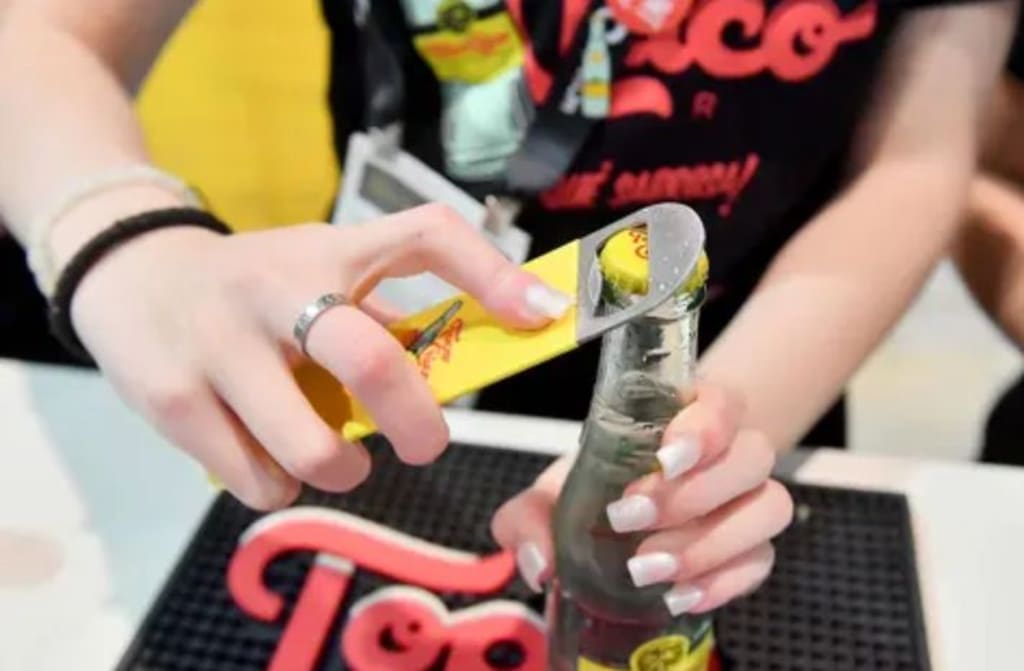
A Cult Favorite Faces Supply Pressure
Topo Chico has long held a loyal following, especially among consumers who prefer natural mineral water over traditional sodas. Known for its crisp carbonation and distinctive glass bottles, the brand transitioned from a niche import to a mainstream staple over the past decade. Restaurants, cafes, and home consumers embraced it not only as a refreshing beverage but also as a cocktail mixer and lifestyle product.
The surge in popularity created sustained demand that strained production capacity. Company representatives acknowledged that the shortage is tied to a mix of logistical challenges, manufacturing limitations, and higher-than-expected consumption. While shortages in beverages are not uncommon, the extended timeline has surprised retailers and customers alike.
Demand Outpaces Supply
One of the primary drivers behind the shortage is shifting consumer behavior. Americans are increasingly reducing sugary drink consumption, replacing sodas with sparkling water and functional beverages. Mineral water brands have benefited significantly from this trend, and Topo Chico sits near the center of that movement.
Social media also played a role. Influencers, bartenders, and wellness communities helped elevate the drink’s profile. Recipes for mocktails, low-calorie cocktails, and hydration routines frequently featured the brand, amplifying demand beyond traditional retail growth patterns.
As demand accelerated, production facilities struggled to keep pace. Mineral water differs from regular bottled water because it must be sourced from specific natural springs, which limits rapid scaling. Unlike soda manufacturing, producers cannot simply increase output without considering resource sustainability and regulatory oversight.
Supply Chain Complications
The shortage reflects broader supply chain challenges that have affected food and beverage industries in recent years. Glass bottle availability, transportation costs, and labor constraints all contributed to slower distribution. Even when production continued, moving products efficiently to stores became more complicated.
Seasonal demand spikes worsened the situation. Warmer months traditionally increase sparkling water consumption, but the trend now extends year-round due to lifestyle shifts. Retailers reported inconsistent deliveries, forcing them to ration shelf space or substitute with competing brands.
The company indicated that it is working to stabilize distribution, but improvements may take time. Expanding bottling capacity and improving logistics require infrastructure investment, regulatory approvals, and coordination across multiple suppliers.
The Role of Corporate Ownership
Topo Chico’s growth accelerated after being acquired by The Coca-Cola Company, which helped expand its presence across the United States. The backing of a global beverage giant brought stronger distribution networks, marketing reach, and product innovation.
However, corporate scale can also intensify demand faster than supply can adapt. Wider retail availability introduced the brand to millions of new consumers, magnifying pressure on production systems that were originally designed for a smaller market footprint.
Industry analysts suggest the shortage highlights a broader challenge facing premium beverage brands: balancing authenticity and natural sourcing with mass-market demand.
Retail and Consumer Reactions
Retailers have responded by adjusting ordering strategies and promoting alternatives. Competing mineral water brands have seen temporary sales boosts as shoppers look for substitutes. Some stores limited the number of bottles customers could purchase, while restaurants modified drink menus.
Consumers, meanwhile, expressed mixed reactions. Loyal fans voiced frustration online, while others viewed the shortage as proof of the brand’s popularity. In some regions, the product remained available but at higher prices, reflecting supply constraints and distribution costs.
Shortages can sometimes strengthen brand loyalty. Limited availability often creates a perception of exclusivity, reinforcing consumer attachment once supply returns to normal.
What This Means for the Sparkling Water Market
The situation underscores the rapid expansion of the sparkling water category. Once dominated by a handful of European imports, the market now includes domestic brands, flavored variations, and functional beverages infused with vitamins or adaptogens.
Topo Chico’s shortage reveals how quickly consumer trends can reshape supply chains. It also highlights the importance of flexible manufacturing and diversified packaging options. Some analysts predict that brands may shift toward aluminum cans or regional bottling to reduce future disruptions.
At the same time, sustainability concerns remain central. Mineral water sourcing must balance commercial demand with environmental stewardship, meaning production increases cannot be unlimited.
Company Response and Future Outlook
The company has stated that it is actively working to resolve the shortage. Efforts include improving bottling efficiency, strengthening supply partnerships, and optimizing distribution routes. While no exact timeline has been confirmed, expectations suggest gradual improvement rather than an immediate return to normal availability.
Product innovation could also play a role. Expanding flavored lines or alternative packaging formats may help distribute demand across multiple product types, reducing pressure on classic glass bottle supply.
For consumers, patience may be necessary. Shortages in popular products often take months to stabilize, especially when demand remains high.
A Sign of Changing Beverage Habits
Beyond inconvenience, the shortage reflects a deeper shift in how Americans approach hydration. Sparkling mineral water has evolved from a luxury item to an everyday choice tied to wellness, lifestyle, and social rituals.
Topo Chico’s situation illustrates how quickly consumer preferences can outgrow existing infrastructure. It also serves as a reminder that even globally distributed brands rely on complex production systems vulnerable to disruption.
As supply gradually recovers, the brand’s popularity is unlikely to fade. If anything, the shortage reinforces its cultural status and signals continued growth for the premium sparkling water market.
In the long term, the industry may view this moment as a turning point—one that pushed beverage companies to rethink scalability, sustainability, and the delicate balance between natural sourcing and mass appeal.
About the Creator
A Gathering of Evil Bosses
“I’m the queen of chin jutting while I smooth my hair, attacking, insulting, and deflecting to protect my appointer.” “Oh, please, Blondi, my hair is curled, highlighted, and longer than yours. I feature television commercials telling immigrants that we will give them a free plane ride home, and if they voluntarily turn themselves in, they will be allowed to legally apply for re-entry. It runs everywhere, and I look good in it! You can’t compete because of your blond hair. Mine is nicer, and my lips are prettier than yours.”
By Andrea Corwin 5 days ago in The Swamp
Winter Storm Covers Parts of North-East US in Snow
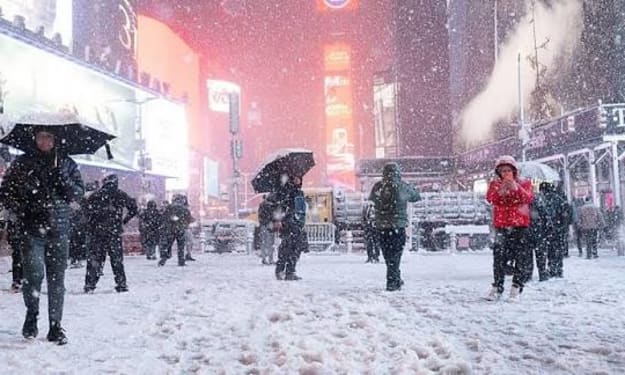
A powerful winter storm swept across the north-eastern United States this week, dumping heavy snow, disrupting transportation networks, and prompting states of emergency in multiple regions. The weather system, driven by an arctic cold front and moist Atlantic air, brought significant snowfall totals to areas from Pennsylvania up through New England, impacting travel, schools, utilities and day-to-day life for millions of residents. Forecasters from the National Weather Service (NWS) reported snowfall totals exceeding 30 inches in some locations, with high winds producing dangerous blizzard conditions and drifting snow that reduced visibility to near zero. The storm—nicknamed “Blizzard Titan” by some local meteorologists—was among the most significant to hit the region in recent years. Snowfall and Conditions Heavy snow began accumulating late Tuesday night and continued through much of Thursday, with the most intense bands affecting parts of Upstate New York, Vermont, New Hampshire, and Maine. In several towns and rural counties, snowplows struggled to keep roads clear as drifts piled up, sometimes reaching several feet in height. Temperatures plunged well below freezing, with wind chills making outdoor exposure dangerous even for short periods. In major cities such as Boston, New York City, and Philadelphia, officials warned that travel could become treacherous, urging residents to stay off the roads unless absolutely necessary. Travel Disruptions Airlines reported hundreds of flight cancellations at key airports including Boston Logan International Airport, Newark Liberty International Airport, and Philadelphia International Airport. Some travelers were left stranded overnight as storms made runway operations unsafe and delayed de-icing procedures. Amtrak and regional rail services such as MBTA Commuter Rail and NJ Transit suspended portions of their schedules, citing unsafe track conditions and blocked routes. Interstate highways, particularly I-87 in New York and I-95 in Connecticut and Massachusetts, saw closures as state police advised motorists against attempting travel during peak snowfall. “The combination of heavy, wet snow and high winds created severe blizzard conditions,” an NWS meteorologist said. “This isn’t just ordinary snowfall—visibility drops quickly, and even major routes can become impassable without significant plowing.” Power Outages and Utility Strain The storm’s fury did not spare power infrastructure. Thousands of residents experienced outages as heavy snow and ice brought down trees and power lines. Public utility crews worked around the clock to restore service, but officials warned that some rural areas might remain without electricity for days. Utility companies issued safety advisories, urging residents to report downed lines and avoid contact with fallen wires. Emergency shelters opened in affected towns to provide warmth, food, and medical support for families impacted by outages. Emergency Declarations and Local Responses Governors of several states, including Massachusetts, New York, and Vermont, declared states of emergency ahead of the storm’s peak, activating the National Guard and deploying additional snow removal equipment. Schools in many districts switched to remote learning or closed entirely to keep students and staff safe. Municipal officials also issued curfews or travel bans on local streets to allow plows unimpeded access and prevent accidents. Residents were advised to stock up on essentials and avoid leaving home if possible. “Public safety is our top priority,” said one city emergency manager. “We are asking residents to help by staying off the roads, conserving power where possible, and checking on elderly neighbors.” Economic and Community Impacts Beyond immediate safety concerns, the storm poses economic challenges. Businesses faced layoffs due to closures, and supply chains were disrupted as freight movement slowed. Grocery stores saw rapid depletion of essential items such as bread, milk and bottled water as residents prepared for days indoors. Communities also prepared for indirect effects, including possible flooding as snow begins to melt in the coming days, particularly where rain mixes with snow in warmer lower-elevation areas. Looking Ahead Meteorologists predict temperatures will remain well below average for at least a week following the storm, slowing snowmelt and prolonging hazardous conditions. While additional snowfall is not expected immediately, gusty winds and cold air will keep travel and outdoor work risky. Officials emphasize patience and caution as cleanup continues, reminding residents that the storm’s full impact—including infrastructure restoration and road clearance—will require time, manpower, and community cooperation.
By Fiaz Ahmed about 9 hours ago in The Swamp



Comments
There are no comments for this story
Be the first to respond and start the conversation.