
“This Is What Fascism Looks Like”: Terror in Minneapolis Reminiscent of Civil War
A wave of fear grips Minneapolis as residents, officials, and civil rights advocates draw alarming parallels between recent federal actions and scenes more commonly associated with civil conflict.

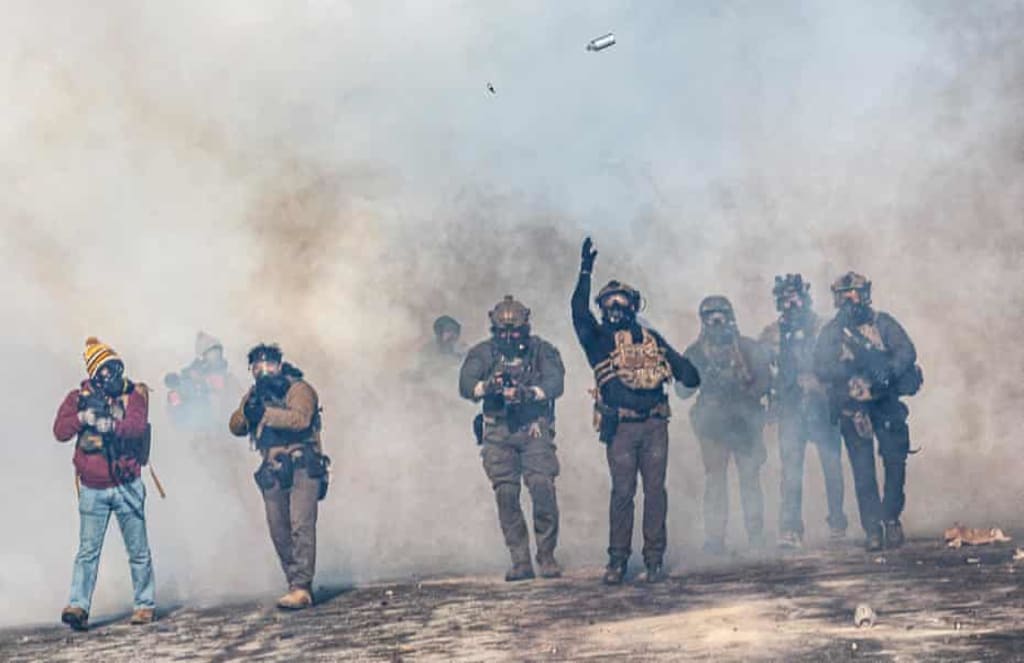
A City on Edge
Minneapolis, a city already shaped by years of social unrest and political tension, is once again at the center of a national debate—this time over the use of federal power and the erosion of civil liberties. Following a series of aggressive law enforcement actions and a fatal shooting involving federal agents, fear has spread through neighborhoods, prompting some residents and activists to declare: “This is what fascism looks like.”
For many in Minneapolis, the atmosphere feels less like routine law enforcement and more like a city under occupation. Armored vehicles, masked federal agents, restricted access to crime scenes, and limited transparency have fueled comparisons to authoritarian tactics and even civil war–style conditions.
What Sparked the Outcry?
The latest unrest stems from a deadly encounter between federal agents and a Minneapolis resident, followed by reports that state and local officials were denied access to the scene. The lack of immediate clarity, combined with the federal government’s refusal to share details, ignited outrage among elected officials, civil rights groups, and residents.
Demonstrators quickly took to the streets, accusing federal authorities of operating above the law. Chants, signs, and speeches at protests echoed a common theme: unchecked power, secrecy, and fear are hallmarks of authoritarian rule.
Fear Replaces Trust
In affected neighborhoods, residents describe an environment of constant anxiety. People report avoiding public spaces, staying indoors after dark, and feeling unsure about who is policing their streets.
Community leaders warn that when law enforcement actions inspire fear rather than trust, the social fabric begins to unravel. Minneapolis residents—particularly those from marginalized communities—say the presence of heavily armed federal agents evokes memories of conflict zones rather than democratic governance.
Some locals have compared the situation to civil war imagery, where armed forces operate independently of civilian oversight and accountability.
The Language of Fascism
The word fascism is not used lightly. Political scholars define fascism as a system characterized by centralized power, suppression of dissent, aggressive enforcement, and the erosion of civil rights. Critics argue that recent actions in Minneapolis reflect several of these warning signs.
Key concerns include:
Lack of transparency following lethal force
Federal override of state and local authority
Militarized policing tactics
Suppression of protests and dissent
Civil liberties organizations caution that normalizing such practices—even during periods of unrest—sets a dangerous precedent.
State vs. Federal Authority
Minnesota officials have voiced growing frustration over what they describe as federal overreach. The denial of access to a shooting scene has intensified tensions between state leaders and federal agencies.
Legal experts say this clash highlights a fundamental issue: when federal forces operate without cooperation or oversight from local authorities, accountability becomes murky. This breakdown can undermine the rule of law and blur the lines between enforcement and occupation.
For residents, the power struggle feels personal, as decisions made far from their neighborhoods directly impact their safety and freedoms.
Protests and Public Response
Demonstrations across Minneapolis have been large, emotional, and sustained. Protesters range from longtime activists to ordinary residents who say they’ve never marched before.
The protests are not just about a single incident—they reflect cumulative anger over years of perceived injustice, surveillance, and militarization. Signs reading “Democracy, Not Fear” and “We Are Not a War Zone” capture the mood of a city pushing back against what it sees as creeping authoritarianism.
While many demonstrations have remained peaceful, the heavy police presence has only reinforced protesters’ claims of intimidation.
Echoes of History
Historians warn that democratic erosion rarely happens overnight. Instead, it unfolds gradually—often justified by security concerns or emergency measures. Minneapolis, they argue, may be experiencing one such moment.
Comparisons to civil war are not literal, but symbolic: a society divided, trust collapsing, and power increasingly centralized. When residents feel they must choose between safety and freedom, democracy itself is under strain.
Why This Moment Matters Nationally
What’s happening in Minneapolis is being closely watched across the country. Cities nationwide are grappling with similar questions about federal authority, policing, and civil rights.
If these tactics become normalized, critics fear they could spread—reshaping how dissent is handled and how power is exercised. Supporters of strong federal action argue it’s necessary for order, but opponents counter that order without accountability is not democracy.
Conclusion
Minneapolis stands at a crossroads. The fear gripping the city reflects deeper concerns about governance, accountability, and the future of civil liberties in the United States.
When residents say, “This is what fascism looks like,” they are not only describing what they see on their streets—they are warning about where unchecked power can lead. Whether the nation listens may determine whether Minneapolis becomes a cautionary tale or a turning point.
About the Creator
Asad Ali
I'm Asad Ali, a passionate blogger with 3 years of experience creating engaging and informative content across various niches. I specialize in crafting SEO-friendly articles that drive traffic and deliver value to readers.
Brooklyn Beckham’s Wedding DJ Speaks About the ‘Awkward’ Dance
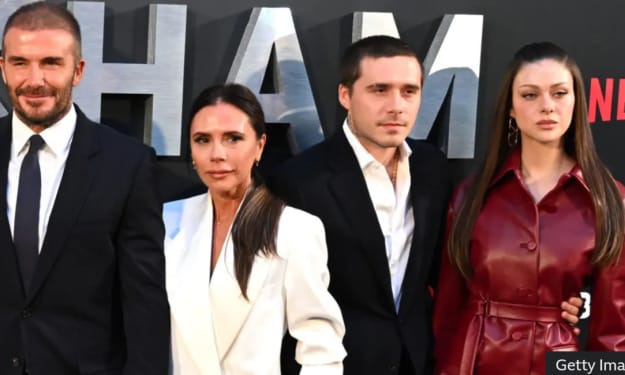
Celebrity weddings are often portrayed as flawless fairy tales — perfectly choreographed dances, glamorous guests, and unforgettable celebrations. But according to the DJ who performed at Brooklyn Beckham and Nicola Peltz’s lavish wedding, not every moment went exactly as planned. In a recent interview, the wedding DJ opened up about an “awkward” dance moment that surprised guests and quickly became a talking point behind the scenes. While the Beckham–Peltz wedding was one of the most high-profile events of the year, this revelation reminds us that even celebrity celebrations can have uncomfortable or unexpected moments. A Star-Studded Wedding Under the Spotlight Brooklyn Beckham, son of football icon David Beckham and fashion designer Victoria Beckham, married actress and heiress Nicola Peltz in an extravagant ceremony attended by celebrities, family, and close friends. The wedding, held at the Peltz family estate, was widely covered by the media, praised for its luxury, elegance, and star power. From designer outfits to carefully curated music, every detail appeared meticulously planned. However, as the DJ later revealed, not everything unfolded as smoothly as it looked on social media. The DJ’s Perspective: What Went Wrong? Speaking candidly, the wedding DJ described one particular dance moment as “awkward”, explaining that it felt uncomfortable not just for the couple, but also for guests watching. While the DJ avoided naming specific individuals involved in the dance, the moment reportedly stood out because it didn’t match the emotional tone or expectations of the event. According to the DJ, wedding dances are often deeply personal and emotionally charged, especially at high-profile ceremonies where family dynamics are closely observed. When expectations clash with reality, even a carefully planned moment can feel off. Why Wedding Dances Can Be Tricky Wedding dances — whether between newlyweds, parents and children, or other family members — carry symbolic meaning. They are meant to represent love, unity, and celebration. However, they can also expose unspoken tensions, nerves, or emotional discomfort. In celebrity families like the Beckhams, where public scrutiny is constant, even small missteps are magnified. The DJ explained that pressure can make people overthink or feel self-conscious, especially when surrounded by cameras and famous guests. Social Media vs. Reality One reason this moment drew attention is the contrast between the perfect images shared online and the reality described by someone working behind the scenes. On social media, Brooklyn and Nicola’s wedding appeared flawless — elegant dances, smiling guests, and romantic moments frozen in time. The DJ’s comments offer a reminder that social media rarely shows the full picture. Even the most glamorous events can include uncomfortable pauses, emotional tension, or moments that don’t land as intended. Public Fascination With Celebrity Weddings Celebrity weddings captivate audiences because they blend fantasy with familiarity. People enjoy seeing famous figures experience the same emotions as anyone else — excitement, nerves, joy, and occasional awkwardness. This behind-the-scenes story resonated with fans because it humanizes a highly publicized couple. It shows that even when wealth, planning, and professional teams are involved, weddings remain deeply emotional and unpredictable. The DJ’s Role at High-Profile Events For wedding DJs, especially at celebrity events, the role goes beyond playing music. They must read the room, manage transitions, and sometimes navigate emotionally sensitive situations. The DJ noted that moments like the “awkward” dance are part of the job, especially when dealing with families under intense public attention. Despite the discomfort, the DJ emphasized that the overall wedding was beautiful and memorable. One awkward moment, they said, doesn’t define the entire celebration. Reactions From Fans and Media Since the DJ’s comments surfaced, fans have been divided. Some sympathized with the couple, pointing out that weddings are stressful enough without public judgment. Others expressed curiosity, speculating about what exactly happened and why it felt awkward. Media outlets quickly picked up the story, not because it was scandalous, but because it offered a rare, honest glimpse into a private moment at a very public event. What This Says About Modern Celebrity Culture This story highlights how minor moments can become major headlines in today’s celebrity culture. A brief awkward interaction — something that would be forgotten at a private wedding — becomes newsworthy when famous names are involved. It also reflects society’s growing interest in authenticity. Audiences increasingly appreciate stories that reveal imperfection behind polished public images, making celebrities feel more relatable. Final Thoughts Brooklyn Beckham and Nicola Peltz’s wedding will likely be remembered for its elegance, star-studded guest list, and fairytale setting. Yet the DJ’s candid comments about an “awkward” dance moment add a human layer to the narrative. In the end, this story serves as a reminder that no celebration is perfect, no matter how glamorous it appears. Weddings are emotional, unpredictable, and deeply personal — whether you’re a global celebrity or an everyday couple. Sometimes, it’s the imperfect moments that make an event truly memorable.
By Muhammad Hassan3 days ago in The Swamp
Fancy Buying a Home that Inspired a Turner Painting? It's Yours for £1.5m
Introduction Imagine living in a home that inspired one of the most celebrated artists in British history—J.M.W. Turner. Now, this dream can become a reality. A picturesque property located in the heart of England, which is said to have been the inspiration behind Turner’s iconic paintings, is on the market for £1.5 million. This article takes you through the fascinating history of the home, its connections to Turner, and why it could be your chance to own a piece of artistic legacy.
By Ayesha Lasharia day ago in The Swamp


Comments
There are no comments for this story
Be the first to respond and start the conversation.