
The Return of Millions of Afghans From Pakistan and Iran Pushes Afghanistan to the Brink, UN Warns
Mass returns strain fragile systems as aid groups call for urgent international support

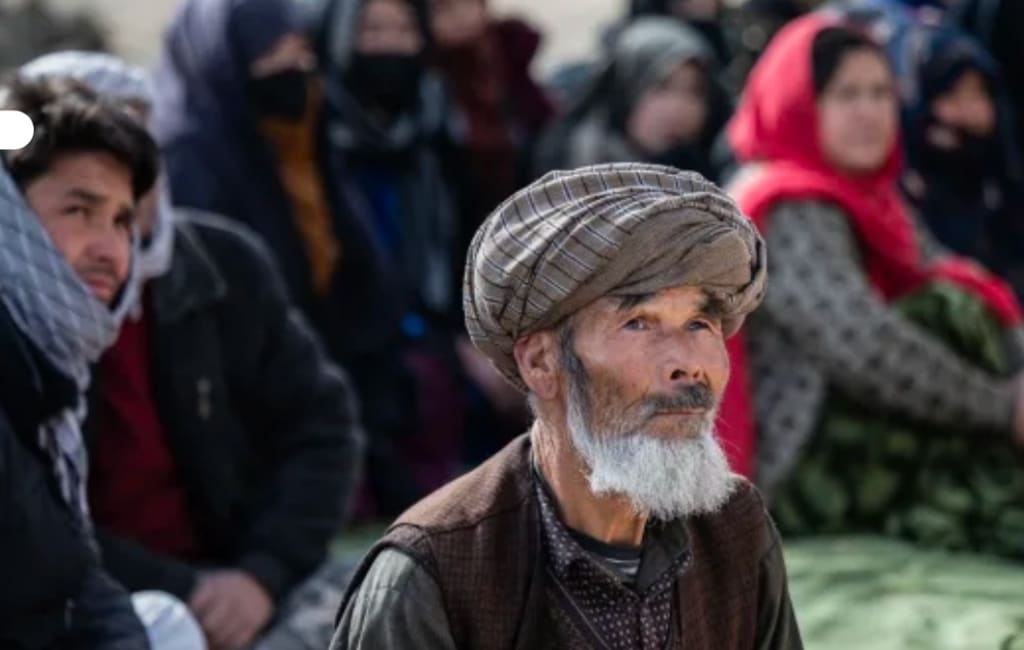
A Sudden Shift in Regional Migration
The return of millions of Afghans from neighboring countries has placed Afghanistan under renewed pressure at a time when its institutions remain weak and its economy fragile. The United Nations has warned that the scale and speed of returns from Pakistan and Iran risk pushing communities across Afghanistan beyond their coping capacity.
For decades, both countries hosted Afghan refugees who fled conflict, political instability, and economic hardship. Many had lived abroad for years, building families and livelihoods outside their country of origin. Recent policy changes, economic strains, and security concerns in host countries have accelerated departures, resulting in a sharp rise in return movements.
While returns are not new, the current wave stands out for its scale. Border crossings have seen thousands of individuals arriving daily, often with limited belongings and uncertain prospects.
Pressure on a Fragile Economy
Afghanistan’s economy has struggled since the political transition of 2021. Reduced international assistance, financial isolation, and limited access to global markets have constrained public spending and private investment. Employment opportunities remain scarce, particularly in urban areas.
The arrival of large numbers of returnees intensifies competition for jobs, housing, and basic services. Many families return to provinces where infrastructure was already limited. Without adequate support, local labor markets may not absorb the sudden increase in workers.
According to assessments cited by the United Nations, communities receiving returnees face higher risks of food insecurity and debt. Remittances from abroad once helped sustain many households. With families returning, that source of income often declines or disappears.
Strain on Public Services
Healthcare, education, and water systems in Afghanistan were under strain before the recent returns. Clinics report shortages of medicine and staff. Schools in several provinces operate in shifts due to limited classroom space.
The influx of returnees increases demand for these services. Children who spent years outside the country may lack documentation needed for school enrollment. Health screenings at border crossings identify cases of malnutrition and untreated illness, adding to the workload of local providers.
Water and sanitation systems in rural areas are particularly vulnerable. In some districts, wells and community pumps already serve large populations. An increase in residents can lead to shortages and heightened risk of disease.
Housing and Land Challenges
Access to shelter is among the most urgent concerns. Many returnees do not have homes to return to. Some left Afghanistan decades ago and no longer possess property. Others find their land occupied or disputed.
Temporary settlements have emerged near border points. Humanitarian agencies provide tents, blankets, and basic supplies, but these solutions are short term. Prolonged displacement within Afghanistan may create new informal settlements with limited services.
Land disputes can also generate tension within communities. Local authorities often lack clear records, making resolution difficult. Without effective mediation, disputes risk escalating.
Border Crossings and Immediate Needs
Major border crossings with Pakistan and Iran have become focal points for humanitarian response. Aid organizations distribute food, water, and hygiene kits to newly arrived families. Registration processes attempt to document arrivals and identify vulnerable individuals.
The scale of arrivals challenges coordination. At times, facilities designed for smaller flows must accommodate several times their intended capacity. Women, children, and elderly individuals may wait long hours in harsh conditions.
Humanitarian groups emphasize that initial assistance is only the first step. Sustainable reintegration requires longer-term planning that extends beyond border areas into communities of return.
Women and Children at Heightened Risk
Women and children represent a large share of returnees. Many face added risks, including limited access to education and healthcare. Female-headed households often struggle to secure income and housing.
Children who grew up abroad may face language barriers or difficulties adjusting to new social norms. Some have missed years of schooling due to displacement. Without targeted support, they risk falling further behind.
Protection concerns also arise during transit and settlement. Crowded conditions and economic stress can increase vulnerability to exploitation or early marriage. Aid agencies have called for dedicated protection services at border points and within receiving communities.
Regional Policies and Political Context
The governments of Pakistan and Iran have cited domestic economic pressures and security concerns as factors behind stricter migration policies. Both countries have hosted Afghan refugees for decades, providing access to work and basic services.
Recent enforcement measures have included documentation requirements and deadlines for departure. As a result, many Afghans have opted or been compelled to return. The situation reflects broader regional dynamics, where host countries balance humanitarian commitments with internal priorities.
For Afghanistan, managing returns requires cooperation with neighbors. Cross-border dialogue remains essential to ensure that movements are orderly and that returnees’ rights are respected.
International Funding Gaps
Humanitarian operations in Afghanistan face funding shortfalls. The UN and partner organizations have appealed for additional resources to support returnees and host communities.
Funding gaps limit the scale of assistance. Food distributions may reach fewer households than planned. Cash support programs, which allow families to prioritize their needs, often depend on donor contributions.
Without increased funding, aid groups warn that reintegration efforts will remain incomplete. The burden then shifts to communities that already face economic hardship.
Community Resilience and Local Responses
Despite constraints, local communities have shown resilience. Extended families often host returnees temporarily. Community leaders coordinate informal support networks, sharing food and shelter when possible.
Local civil society organizations also play a role. They assist with documentation, provide legal advice, and connect families to services. However, these groups operate with limited resources and depend on external funding.
Sustainable reintegration requires strengthening local institutions. Investments in infrastructure, job creation, and education benefit both returnees and long-term residents.
Long-Term Reintegration Strategies
Short-term aid addresses immediate needs, but long-term stability depends on broader economic recovery. Programs that create employment opportunities are critical. Public works initiatives can improve infrastructure while providing income.
Agriculture remains a key sector. Supporting farmers with seeds, tools, and irrigation can boost food production and livelihoods. Vocational training programs may help returnees adapt skills gained abroad to local markets.
Access to documentation is another priority. Identity papers enable individuals to enroll in school, access healthcare, and seek formal employment. Streamlined processes reduce barriers to participation in public life.
Risks of Secondary Displacement
If reintegration fails, some returnees may attempt to migrate again. Secondary displacement can occur within Afghanistan or across borders. Such movements create additional humanitarian needs and complicate planning.
Urban areas may experience population growth as families seek employment. Without adequate housing and services, urban poverty can deepen. Preventing secondary displacement requires coordinated policies that address root causes of instability.
A Call for Coordinated Action
The UN has emphasized that the return of millions of Afghans is not solely a national issue. Regional and international actors share responsibility. Support from donors, development banks, and neighboring states remains essential.
Coordination among agencies helps avoid duplication and ensures that assistance reaches those most in need. Data collection and monitoring allow policymakers to adjust programs based on evolving conditions.
Afghanistan’s path forward depends on stability, economic opportunity, and sustained engagement from the international community. The scale of current returns underscores the urgency of comprehensive solutions.
Conclusion
The large-scale return of Afghans from Pakistan and Iran marks a significant moment for a country already under strain. Communities must absorb new arrivals despite limited resources and uncertain economic prospects.
Warnings from the United Nations highlight the risk that without adequate support, Afghanistan could face deeper humanitarian challenges. Addressing immediate needs while investing in long-term resilience will determine whether return becomes a foundation for recovery or a trigger for further crisis.
About the Creator
Saad
I’m Saad. I’m a passionate writer who loves exploring trending news topics, sharing insights, and keeping readers updated on what’s happening around the world.
Why Black History Matters in America?
The United States of America is celebrating their 250th anniversary in 2026. I'm proud to be an American and as someone who was born here, I wouldn't imagine myself living anywhere else. This is a country where opportunities are possible. Where anyone can be successful in anything they desire to do. Equality, community, and togetherness are the backbones of what America is and should be about. However, we have an administration who wants to erase and disregard those who have made positive, meaningful impacts in our country, specifically Black figures, such as Martin Luther King, Jr., Rosa Parks, and Maya Angelou. President Trump and his administration have been constantly complaining and fighting against what they call the "Woke agenda". They use this excuse as a distraction from other issues they refuse to address, such as the high cost of living, climate change, and inflation. That equality is dividing America, when in reality, it's bringing us together. Being woke is not tied to a specific political party. No matter where you stand on the political spectrum, you can still care about other people and their plights. Compassion and empathy for others isn't tied to a political party, either. We were taught as children to treat others the way we want to be treated and not judge others because they're different from us. Caring about others isn't a personal attack on your beliefs. It doesn't make you any less of a person. People who are easily offended over African American figures, past or present, or anything related to it, are grasping at straws. Current and future generations need to know who people like Harriet Tubman and Shirley Chisholm were, especially in the classroom. Black History is part of American History. It should be recognized, not hidden or forgotten. Besides, you can't shield children from everything, just because your feelings are easily hurt.
By Mark Wesley Pritchard 14 days ago in The Swamp
Herzog Attends Bondi Memorial Ceremony with Australia’s Albanese, Who Doesn’t Give Speech
In a solemn display of solidarity and remembrance, Israeli President Isaac Herzog attended the Bondi memorial ceremony alongside Australian Prime Minister Anthony Albanese. The event, held at the iconic Bondi Beach, honored the victims of the recent tragedy that shook both Australia and the global community. While Herzog addressed attendees with heartfelt remarks, Albanese’s decision not to give a speech became a focal point of discussion surrounding the ceremony. The memorial drew political leaders, community representatives, faith leaders, and grieving families together in a powerful moment of unity. Against the backdrop of Bondi’s coastline — a location symbolic of Australian culture and openness — the ceremony underscored themes of resilience, remembrance, and shared humanity. A Moment of International Solidarity Herzog’s attendance at the Bondi memorial ceremony signified more than diplomatic courtesy. It reflected the close ties between Israel and Australia and highlighted a shared condemnation of violence and extremism. Standing beside Australia’s Albanese, Herzog expressed condolences to the victims’ families and emphasized the importance of standing firm against hatred. In his address, Herzog spoke about the universal pain of terror and violence, noting that grief transcends borders. He stressed that democratic nations must stand united in defense of their values and protect the safety of their citizens. “Today, we stand together in mourning,” Herzog stated, reinforcing the idea that tragedy in one nation reverberates globally. His remarks were measured, empathetic, and forward-looking, focusing on healing and solidarity rather than politics. Observers noted that Herzog’s presence elevated the international significance of the Bondi memorial ceremony. Albanese’s Silent Presence While Herzog delivered formal remarks, Australia’s Prime Minister Anthony Albanese did not give a speech. His decision not to address the crowd drew attention both during and after the ceremony. Albanese’s office did not immediately provide detailed reasoning for the choice. However, some political analysts suggested that the Prime Minister may have intended to keep the focus on the victims and their families rather than on political leadership. Others interpreted the silence as a deliberate gesture of reflection and respect. Despite not giving a speech, Albanese played an active role in the ceremony. He met privately with victims’ families, laid flowers at the memorial site, and stood alongside community leaders during moments of silence. His visible emotion and direct engagement conveyed empathy without words. Supporters argued that in moments of profound grief, presence can speak louder than rhetoric. Critics, however, questioned whether a formal address might have offered reassurance to a shaken public. Bondi: A Symbolic Setting Bondi Beach holds a unique place in Australia’s national identity. Known worldwide for its vibrant surf culture and multicultural atmosphere, it represents openness and diversity. Hosting the memorial ceremony at Bondi amplified the symbolism of unity in the face of violence. The atmosphere at the ceremony was solemn yet dignified. Floral tributes lined the beachfront, and candles flickered as attendees observed moments of silence. Faith leaders from multiple traditions offered prayers, reinforcing a message of interfaith solidarity. Community members described the gathering as both heartbreaking and healing. Many expressed appreciation for Herzog’s attendance and for the support shown by international leaders. Strengthening Australia–Israel Relations Herzog attending the Bondi memorial ceremony alongside Australia’s Albanese also highlighted the broader diplomatic relationship between the two countries. Australia and Israel have long maintained cooperative ties across trade, defense, technology, and education. Political commentators noted that Herzog’s visit could reinforce bilateral engagement at a time when global tensions remain high. By appearing together at a moment of mourning, both leaders demonstrated shared democratic values and mutual respect. Though Albanese did not give a speech, his participation signaled Australia’s commitment to standing with allies against violence and extremism. Herzog’s remarks further underscored the importance of international cooperation in addressing security threats. Public and Political Reactions Reactions to the ceremony were largely respectful, though discussions around Albanese’s silence continued in media coverage. Some members of the public felt that a speech from the Prime Minister could have provided additional comfort or clarity. Others praised the understated approach, suggesting that it kept the focus squarely on remembrance rather than political messaging. Social media reflected a mix of perspectives. Many users shared images of the ceremony, highlighting the dignified tone and the unity displayed. Herzog’s speech received attention for its emotional depth and emphasis on shared humanity. Political analysts pointed out that memorial ceremonies often carry complex expectations. Leaders must balance empathy, symbolism, and diplomacy while avoiding politicization of tragedy. In that context, Albanese’s choice not to speak may have been a calculated effort to maintain solemnity. The Broader Message Ultimately, the Bondi memorial ceremony conveyed a powerful message: acts of violence cannot fracture communal bonds or international partnerships. Herzog’s presence alongside Australia’s Albanese reinforced the idea that grief and resilience are shared experiences. While headlines focused on the fact that Albanese did not give a speech, the broader takeaway from the event was unity. The image of the two leaders standing together in silence may prove as impactful as any spoken address. The ceremony also served as a reminder of the role leaders play during times of national trauma. Whether through words or quiet presence, their actions shape public healing and collective memory. Looking Ahead As investigations and recovery efforts continue, the Bondi memorial ceremony will likely remain a defining moment in the public response to the tragedy. Herzog attending the ceremony alongside Australia’s Albanese demonstrated international solidarity at a critical time. Though Albanese did not give a speech, his participation reflected a commitment to honoring victims and supporting affected families. Herzog’s address, meanwhile, underscored the importance of unity across borders. In the end, the ceremony was less about political statements and more about remembrance. Against the vast horizon of Bondi Beach, leaders and citizens alike stood together — not divided by nationality, but united in grief and hope for a safer future. As Australia continues to process the tragedy, the images from Bondi — of flowers, candlelight, and two leaders standing side by side — will remain etched in the national consciousness, symbolizing resilience, compassion, and shared resolve.
By Aqib Hussain4 days ago in The Swamp




Comments
There are no comments for this story
Be the first to respond and start the conversation.