
"The Prince" by Niccolo Machiavelli
A Reading Experience (Pt.48)

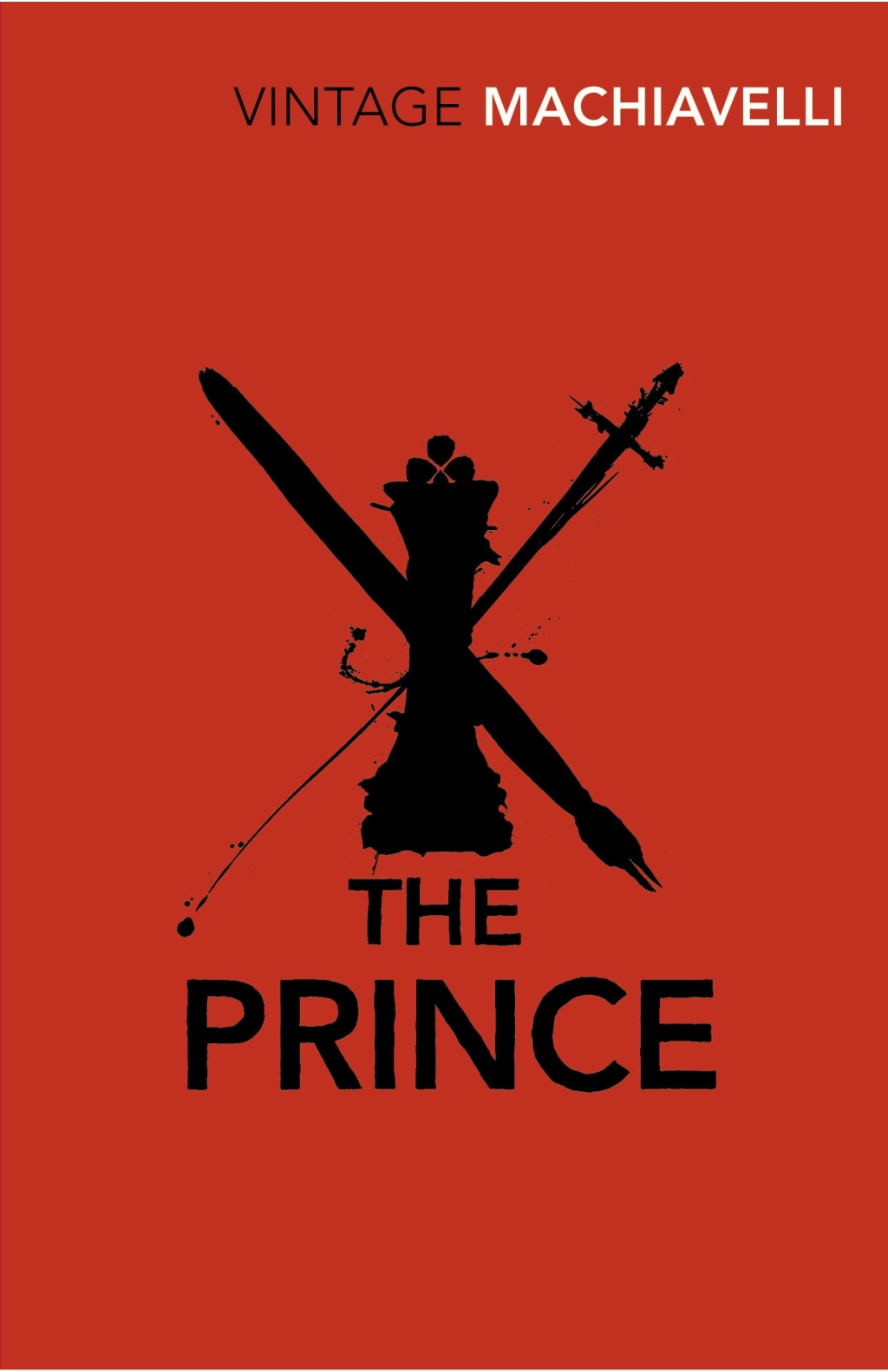
I first read this book as an early teen after hearing the word “machiavellian” pop up around public figures at the time like George Bush Jr. and Tony Blair (yes, I grew up in that era). I had no idea what this word meant as a thirteen-year-old and so, when I looked it up and saw that it was related to a person, I was looking through the works by him in no time. When I first found the list, I was initially thinking about reading the “Discourses on Livy” and when I realised I had to look up a word in the title, I proceeded on to an easier title: “The Prince” is what I read instead. Honestly, I’m glad I chose this one first because it really does explain a lot. It is written quite simply and so, I didn’t need to do much looking up, annotating and researching. I noticed immediately that the first part concerns gaining power and the second part concerns maintaining it. I can honestly say that I was shocked that many political figures were actually so much like this in real life - especially concerning the second half of the book. When I re-read it, I like to concentrate a lot of my attention on to Chapters 17-19 because these are the ones I believe to hold the key to the machiavellian identity. When I went to university, I was 20-years-old when I wrote my essay on machiavellian authorities and powers on the Renaissance stage and how they had an impact on to how certain characters of a play were viewed. If we apply this to real life, we can’t actually be much further from the truth as a machiavellian is not a particularly villainous person or a psychopath - just one who knows how to gain and maintain power and they know how to do it very well. I have read this book over ten times in my life and I still own the first copy I bought when I was thirteen (it is the same copy I re-read). It now contains various annotations from over the years and never fails to shock me into realising what people will do for power, some of the quotations are absolutely timeless in every sense of the word. They will make you shudder to see that the rules of the machiavellian prince are applicable from every world leader from the malevolent Genghis Khan to the charismatic golden-boy, Barack Obama.
When I was researching my paper for university, I noticed something about “The Prince” that I’d missed on every occasion that I had read it beforehand. I had realised that villainy really wasn’t the main goal. Villainy wasn’t even on the list of goals and yet, everyone to this day still treats the ‘machiavellian’ as particularly evil. There is not a single mention of evil-doings or wrong-doings in the whole book. Actually, the book is more on course for the prince to ‘appear’ as good-natured to his public. This means to provide the public with positivity, whilst deal with problematic situations in private so that the public aren’t scared or tensed by these dealings. In fact, Machiavelli’s book does not teach evil, but rather teaches a prince how to maintain power by maintaining positivity and ease in his rule. He maintains power through appearing as powerful and progressive, appearing as he is for the people, but in private - he will deal with the negativity, hard work and problems that ensue during his rule. He will keep them as far away from the public eye as possible. Whether this is good or bad is up to the reader to decide, but nowhere in the text does it mention any villainy, evil, wrong-doings, illegality or considerably bad-natures.
When I re-read this book, and I do often, I like to pay attention to how the term ‘machiavellian’ has been interpreted to mean ‘arch-baddie’ over the years. From the Renaissance and when the book was written, to our own time, it seems that actually the meaning of the word hasn’t changed very much even though a great number of people have read the book in many languages. It doesn’t look like the meaning is changing soon either. This will always strike me as strange.
About the Creator
Annie Kapur
I am:
🙋🏽♀️ Annie
📚 Avid Reader
📝 Reviewer and Commentator
🎓 Post-Grad Millennial (M.A)
***
I have:
📖 300K+ reads on Vocal
🫶🏼 Love for reading & research
🦋/X @AnnieWithBooks
***
🏡 UK
Keep reading
More stories from Annie Kapur and writers in The Swamp and other communities.
17th July, 1918 - The Execution of the Russian Monarchy
There's something almost spooky about looking back and seeing a country call for the murders of not only its king and queen, but also their children - including the youngest boy who already suffered greatly through life. I personally have no opinion on this since I don't feel like I have read enough on the Russian Revolution to give an informed statement, but there is no doubt that this war will always make entertaining and shocking viewing material.
By Annie Kapur6 years ago in The Swamp
Parallel Protests
I haven't written for quite some time, but I have A LOT of thoughts about yesterday's protest rally against our government's involvement and complicity in America's war on Iran, on the harbourside of my home city Bristol, and I need to put them somewhere. My gorgeous girlfriend is always a loving and listening ear and sharing it all with her will always be a healthy and happy way of processing the mental and emotional weight, but getting it straight in my brain to share means writing it all down in straight lines, so, here we are and thanks for being here.
By Steph Cole6 days ago in The Swamp



Comments
There are no comments for this story
Be the first to respond and start the conversation.