
“The Last Bastion Before Collapse” – Louvre Museum Closed as Workers Begin Strike
Louvre Museum closes as workers strike, highlighting challenges in preserving culture and supporting staff.

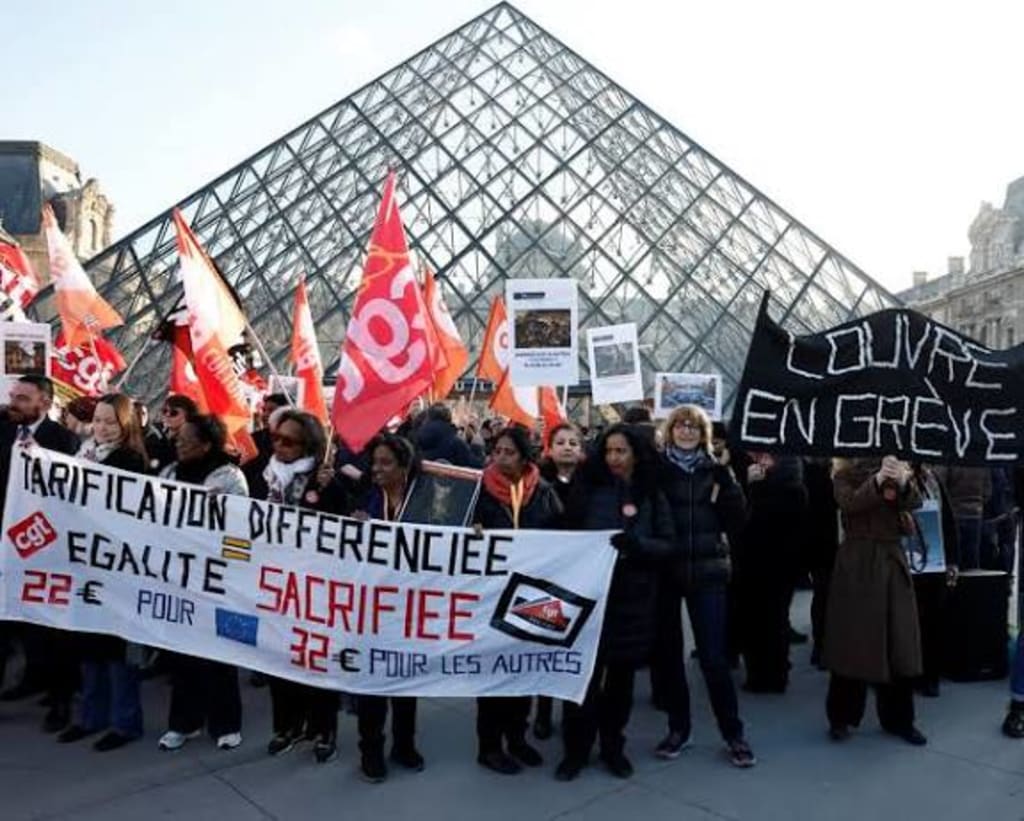
Paris, long heralded as the cultural capital of the world, is witnessing an unusual disruption in one of its most iconic institutions. The Louvre Museum, home to masterpieces spanning centuries—from Leonardo da Vinci’s Mona Lisa to the Venus de Milo—is closed indefinitely as workers have commenced a strike, demanding better wages, improved working conditions, and stronger protections for staff. The closure has sparked a wave of concern among art lovers, tourists, and policymakers alike, as France grapples with a larger wave of labor unrest across multiple sectors.
The Scale of the Strike
Workers at the Louvre, including security personnel, administrative staff, curators, and guides, united in protest, citing years of stagnating wages and increasing workloads. Reports suggest that the strike is being coordinated with other French cultural institutions, hinting at a broader labor movement affecting the arts sector nationally.
Union representatives described the strike as “the last bastion before collapse,” emphasizing the dire conditions under which employees have been operating. Long hours, insufficient staffing, and pressure to meet international tourism demands have left workers physically and emotionally exhausted, prompting this unprecedented move.
Impact on Visitors and Tourism
The closure of the Louvre—a museum that draws over 10 million visitors annually—has created ripples across the French tourism industry. Hotels, restaurants, and tour operators that rely heavily on museum traffic are already reporting cancellations and reduced bookings. International tourists, who often plan trips around visits to Parisian landmarks, face uncertainty and disappointment.
Local businesses near the museum, including cafes and souvenir shops, have expressed concerns about economic losses, highlighting how strikes in the cultural sector can reverberate through the city’s broader economy. Paris city officials have urged unions and management to reach a resolution swiftly, warning that prolonged closures could affect France’s reputation as a premier tourist destination.
Workers’ Demands
The strikers’ demands focus primarily on wages, working conditions, and job security:
Increased salaries to match rising living costs in Paris.
Reduced working hours to prevent burnout and maintain staff health.
Enhanced safety measures, especially for security personnel tasked with protecting priceless artworks.
Better recognition and benefits for staff who have endured increased workloads amid growing tourist numbers.
Union leaders emphasize that the strike is not intended to damage the museum’s reputation but to ensure sustainability of both the institution and the workforce that keeps it running.
Louvre Administration Responds
The Louvre’s administration has expressed regret over the disruption, acknowledging the importance of the workforce while also pointing out the museum’s financial and operational constraints. Officials stated that negotiations are ongoing and that management is committed to finding a compromise that respects employees’ rights without jeopardizing the museum’s operations.
In a statement, the Louvre highlighted its historic significance as a cultural treasure, adding that maintaining access to art is a responsibility shared between staff, management, and government authorities. However, they also acknowledged that “without a satisfied and motivated workforce, the museum cannot fulfill its mission.”
A Broader Context of Labor Unrest in France
The Louvre strike is part of a larger wave of labor unrest affecting France, particularly in public services, transportation, and the cultural sector. Rising inflation, cost-of-living pressures, and perceived inequities in compensation have fueled protests nationwide. Experts warn that unless structural changes are made, strikes and industrial actions may continue to affect major public institutions.
The cultural significance of the Louvre makes this strike especially noteworthy. Unlike industrial disputes in other sectors, closing one of the world’s most visited museums carries symbolic weight, raising questions about the sustainability of heritage institutions in modern society.
Public and International Reaction
The closure has elicited reactions from both art enthusiasts and government officials. International art lovers expressed disappointment on social media, calling the strike a “necessary but sad stand for worker rights.” French cultural policymakers have emphasized the need to balance employee welfare with public access to national treasures.
Many observers note that the strike could also serve as a catalyst for discussions on labor rights in the arts sector, highlighting that those who protect and preserve cultural heritage deserve fair treatment and recognition.
Looking Ahead
As negotiations continue, the Louvre remains closed, and the world watches anxiously. The strike at this historic institution serves as a stark reminder that even the most revered cultural bastions rely on human effort, and that ignoring worker welfare can have repercussions for society at large.
While the paintings and sculptures remain safely housed, the human element—the guides, curators, and security personnel who make access to art possible—is demanding attention, recognition, and fairness. For now, the Louvre stands as both a symbol of artistic greatness and a reminder of the challenges faced by those who sustain it.
About the Creator
Fiaz Ahmed Brohi
I am a passionate writer with a love for exploring and creating content on trending topics. Always curious, always sharing stories that engage and inspire.
Keep reading
More stories from Fiaz Ahmed Brohi and writers in The Swamp and other communities.
Hollywood Director Rob Reiner and Wife Michele Found Dead in LA Home: Tragedy Strikes the Film Community
Hollywood is reeling after the shocking news that acclaimed director Rob Reiner and his wife Michele Reiner were found dead in their Los Angeles home. The tragic incident has left the entertainment world in mourning, with fans, colleagues, and friends expressing grief and disbelief at the sudden loss of one of cinema’s most iconic figures and his lifelong partner.
By Fiaz Ahmed Brohi3 months ago in The Swamp
Parallel Protests
I haven't written for quite some time, but I have A LOT of thoughts about yesterday's protest rally against our government's involvement and complicity in America's war on Iran, on the harbourside of my home city Bristol, and I need to put them somewhere. My gorgeous girlfriend is always a loving and listening ear and sharing it all with her will always be a healthy and happy way of processing the mental and emotional weight, but getting it straight in my brain to share means writing it all down in straight lines, so, here we are and thanks for being here.
By Steph Cole10 days ago in The Swamp
Lycan Lore
As the students of my 10am mythology class take their seats, I decide to steer the day's curriculum away from Greek and dive into a Western European discourse on the misaligned beliefs of the Werewolf. A tale of truth or fiction. No one really knows.
By Lamar Wigginsabout 11 hours ago in Fiction



Comments
There are no comments for this story
Be the first to respond and start the conversation.