
The Gulf of America and Gulf of America Day: A New Perspective on a Historic Region
Implications of renaming the Gulf of Mexico to the Gulf of America and the establishment of Gulf of America Day.

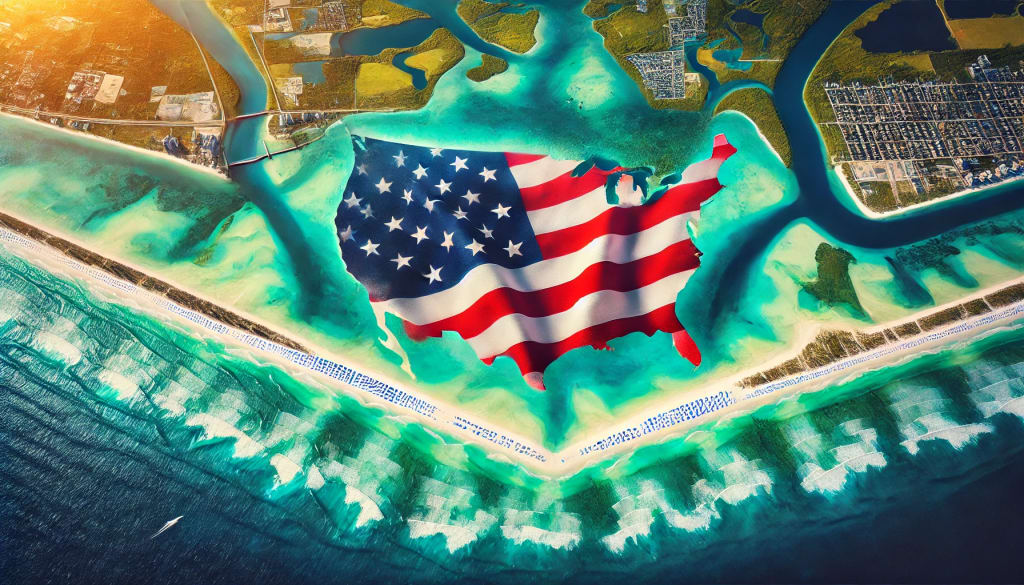
The Gulf of Mexico has long been a significant geographical and economic region for the United States and its neighboring countries. However, recent discussions and political developments have brought a new name into the conversation—the "Gulf of America." This term, along with the newly proposed "Gulf of America Day," has sparked interest and debate among historians, environmentalists, and political analysts.
This article explores the origins of the Gulf of Mexico, the reasoning behind its potential renaming, the significance of Gulf of America Day, and the broader implications of such a shift.
Historical Background of the Gulf of Mexico
The Gulf of Mexico is a vast body of water bordered by the United States, Mexico, and Cuba. It has played a crucial role in trade, exploration, and economic activities for centuries. Historically, the region was explored by Spanish navigators in the early 16th century, with the name "Gulf of Mexico" becoming widely recognized by the mid-17th century.
Throughout history, the Gulf has served as a hub for maritime trade, fishing, and oil exploration. It has also been a strategic point for military operations and territorial expansions. Given its long-standing historical significance, any attempt to rename it is bound to stir discussions about its cultural and geopolitical importance.
The Concept of the "Gulf of America"
The idea of renaming the Gulf of Mexico to the Gulf of America stems from a nationalistic sentiment aimed at emphasizing the United States' connection to the region. Proponents argue that the Gulf is a vital part of American commerce, tourism, and environmental conservation, making a name change a symbolic gesture of sovereignty and national pride.
Renaming geographical locations is not unprecedented. Throughout history, various regions and landmarks have undergone name changes due to political, cultural, or social reasons. Advocates of the "Gulf of America" argue that such a shift would better reflect the U.S. economic and strategic interests in the region.
However, critics highlight that the Gulf of Mexico is shared with multiple nations, making an exclusive American designation problematic. They argue that the historical and cultural significance of the name should not be disregarded in favor of a unilateral renaming effort.
Gulf of America Day: A New Celebration
Alongside the name change proposal, there is also a push to establish "Gulf of America Day," an annual observance recognizing the Gulf's contribution to American prosperity. The proposed day aims to celebrate the Gulf's role in trade, fisheries, energy production, and tourism while also raising awareness about environmental preservation efforts.
If officially recognized, Gulf of America Day could include educational initiatives, environmental campaigns, and economic discussions about the region's future. Schools, businesses, and local governments might participate in events that highlight the Gulf’s ecological importance and its impact on the nation’s economy.
However, similar to the name change debate, Gulf of America Day also faces challenges. Some believe it might be seen as an exclusionary move that disregards the contributions of Mexico and Cuba in managing and preserving the Gulf’s natural resources. Others argue that instead of renaming and celebrating, efforts should focus on addressing pressing issues such as pollution, overfishing, and hurricane preparedness.
Environmental and Economic Importance
The Gulf of Mexico, or the proposed Gulf of America, is an economic powerhouse. It is home to some of the busiest ports in the United States, including Houston, New Orleans, and Tampa. These ports facilitate international trade and play a key role in the import and export of goods.
The Gulf is also a major source of natural resources. The region contains some of the world's most productive offshore oil and gas reserves. Offshore drilling operations in the Gulf contribute significantly to the U.S. energy sector, providing jobs and economic stability.
Additionally, the Gulf supports a thriving fishing industry. Millions of pounds of seafood, including shrimp, crab, and fish, are harvested from these waters annually, making the region essential for food production and exports.
Despite these economic benefits, the Gulf faces serious environmental challenges. Oil spills, such as the Deepwater Horizon disaster in 2010, have caused long-lasting ecological damage. The Gulf also suffers from "dead zones," areas where oxygen levels are too low to support marine life due to pollution and agricultural runoff.
Establishing Gulf of America Day could serve as an opportunity to promote policies and initiatives aimed at protecting marine ecosystems. Conservationists argue that if renaming the Gulf brings more attention to environmental preservation efforts, it could have positive long-term effects.
Political and International Reactions
The proposal to rename the Gulf of Mexico to the Gulf of America is not without controversy. Mexico and Cuba, which also have territorial claims in the region, might view this as an attempt by the United States to assert dominance over shared waters. Such a move could strain diplomatic relations and create unnecessary tensions between neighboring countries.
Additionally, international organizations that regulate maritime and geographical names might not recognize the change. The International Hydrographic Organization (IHO), which standardizes ocean and sea names globally, would likely continue to refer to the body of water as the Gulf of Mexico.
Domestically, reactions vary. Some see the name change as a patriotic effort to reinforce American identity, while others view it as an unnecessary alteration that disregards history. Given the divided opinions, any official renaming would require significant legal and diplomatic discussions.
Cultural Significance and Public Perception
Beyond politics and economics, the Gulf has a deep cultural significance. Coastal communities in Texas, Louisiana, Mississippi, Alabama, and Florida have long relied on the Gulf for their livelihoods. Many indigenous and historical narratives are tied to the region, making its name a reflection of centuries of heritage and tradition.
Public perception of the name change is also mixed. Some Americans feel that the Gulf is an integral part of their national landscape and that renaming it would strengthen national pride. Others argue that the effort is unnecessary and that resources would be better spent addressing climate change, hurricane preparedness, and sustainable development in coastal areas.
Conclusion
The debate surrounding the Gulf of America and Gulf of America Day highlights the complexities of historical naming, national identity, and international relations. While some see the renaming as a bold move to assert U.S. interests, others view it as an impractical attempt to rewrite history.
Regardless of the name, the Gulf remains a crucial body of water that impacts trade, energy, tourism, and environmental conservation. Whether or not the renaming becomes official, the discussions it has sparked provide an opportunity to reflect on the Gulf’s past, present, and future.
Ultimately, the focus should be on preserving and protecting this vital region for generations to come, ensuring that its economic and environmental contributions continue to benefit all who rely on it.
About the Creator
Minecraft APK Download (Android, Pro Unlocked)
Fast free Minecraft APK Download for Android. Get Minecraft Pocket Edition, mods, and the latest version. Enjoy building and exploring in Minecraft PE. NBS Reborn APK.
Keep reading
More stories from Minecraft APK Download (Android, Pro Unlocked) and writers in The Swamp and other communities.
Kemi Badenoch’s Immigration Policies: Stricter UK Residency and Citizenship Rules
Kemi Badenoch, a prominent figure in the UK Conservative Party and Secretary of State for Business and Trade, has played a significant role in shaping immigration policies in recent years. With immigration remaining a crucial political issue, her views and proposed reforms highlight the Conservative Party’s approach to controlling migration, ensuring economic contributions from immigrants, and preserving British national identity.
By Minecraft APK Download (Android, Pro Unlocked)12 months ago in The Swamp
Woman Pulled Out of UK Ultramarathon After Death Threats Over Afghanistan Fundraising
What began as an inspiring act of endurance and compassion turned into a disturbing reminder of the hostility that can surround humanitarian causes in today’s polarized world. A female runner participating in a major UK ultramarathon was forced to withdraw from the event after receiving death threats linked to her fundraising efforts for Afghanistan. The incident has sparked widespread debate about online abuse, freedom of expression, and the risks faced by individuals who publicly support controversial or misunderstood causes. A Race Meant to Raise Hope Ultramarathons are among the most physically demanding sporting events, often covering distances far beyond the traditional 42-kilometer marathon. For many participants, these races are not only athletic challenges but also platforms to raise awareness and funds for charitable causes. In this case, the runner had pledged to donate money raised during the event to humanitarian organizations supporting civilians in Afghanistan—particularly women and children affected by years of conflict, economic collapse, and restrictions on basic rights. Her goal, according to supporters, was to use her physical challenge as a way to highlight human suffering and encourage empathy. Instead, her campaign became the target of intense backlash. From Criticism to Threats While public criticism of charitable causes is not uncommon, the situation escalated rapidly when the runner began receiving explicit death threats online. Messages reportedly accused her of supporting extremism, misusing funds, or promoting political agendas—claims that humanitarian groups strongly deny. Race organizers and security officials assessed the threats and concluded that allowing her to continue would pose a serious safety risk. As a result, she was withdrawn from the event against her wishes, a decision that underscored the severity of the situation. The runner later expressed heartbreak over being unable to complete the race, stating that her intentions were purely humanitarian and that she never expected such extreme hostility. The Broader Issue of Online Abuse This incident highlights a growing problem faced by athletes, activists, and public figures: online abuse that spills into real-world danger. Social media platforms have made it easier than ever to mobilize support for causes—but they have also amplified harassment, misinformation, and threats. Experts warn that women, in particular, are disproportionately targeted when they speak out or engage in advocacy. When charitable efforts intersect with geopolitics, the risk often increases, as complex global issues are reduced to polarized narratives. The case has reignited calls for stronger moderation policies on social media platforms and more robust legal consequences for individuals who issue credible threats. Afghanistan and the Politics of Compassion Afghanistan remains one of the most sensitive humanitarian topics globally. Since the Taliban’s return to power, international aid has been politicized, misunderstood, or deliberately misrepresented. Many humanitarian organizations operate under strict oversight to ensure funds are used for civilian relief, not political or militant purposes. Despite this, public discourse around Afghanistan has become deeply polarized. Supporting Afghan civilians is sometimes falsely framed as endorsing political regimes, creating a dangerous environment for advocates and donors alike. Human rights groups argue that such misconceptions discourage public engagement and ultimately harm the very people most in need of assistance. Reaction From the Running Community The ultrarunning community in the UK and beyond responded with outrage and solidarity. Fellow athletes, race organizers, and charities condemned the threats and expressed concern about the precedent such incidents set. Many runners emphasized that endurance sports have long been tied to fundraising and social causes, from cancer research to refugee aid. Allowing intimidation to silence participants, they argue, undermines the spirit of both sport and charity. Several organizations have since pledged to strengthen safety protocols for athletes involved in fundraising, particularly those supporting international causes. A Chilling Effect on Activism Perhaps the most troubling aspect of the incident is its potential chilling effect. When individuals face serious threats for supporting humanitarian causes, others may choose silence over action. Activists warn that this dynamic benefits those who thrive on fear and misinformation. If compassion becomes risky, public engagement shrinks—and humanitarian crises deepen. At the same time, supporters stress that the overwhelming response of solidarity shows intimidation does not go unchallenged. Moving Forward The runner’s withdrawal from the ultramarathon is not just a story about sport—it is a reflection of the tensions shaping modern activism, where goodwill can collide with hostility in unexpected ways. As investigations into the threats continue, the incident serves as a stark reminder: supporting humanitarian causes should never come at the cost of personal safety. Ensuring that activists, athletes, and donors can act without fear will require cooperation from event organizers, law enforcement, and digital platforms alike. In the end, the endurance shown may not have been measured in miles run—but in the courage to stand for compassion in the face of intimidation.
By Fiaz Ahmed Brohi5 days ago in The Swamp
Ludacris and Nelly draw backlash over bookings at MAGA-coded music festival
Ludacris and Nelly headlining a mostly right-wing event is good for them. It’s also great for the genre of hip hop. The two rap veterans have showcased their talents on other stages. Why can’t they perform for mostly MAGA folks and grab that bag?
By Skyler Saunders5 days ago in Beat


Comments
There are no comments for this story
Be the first to respond and start the conversation.