
The Future of Biometric Security: Balancing Convenience and Privacy
Biometrics: Security, Privacy, and the Path Forward.

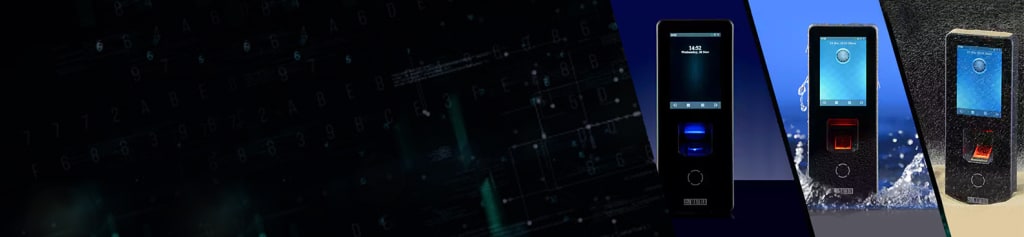
As technology advances at an unprecedented pace, biometric security is rapidly becoming a cornerstone of modern authentication systems. From unlocking smartphones with a glance to securing sensitive corporate data, biometrics offer unparalleled convenience and security. However, with this progress comes the crucial need to address the delicate balance between ease of use and individual privacy. At Rasnal Telecom and Security, we explore how the future of biometric security is shaping up, and the critical considerations we must keep in mind.
The Rise of Biometric Authentication
The appeal of biometric security lies in its inherent efficiency and accuracy. Unlike traditional passwords or PINs, biometric data—such as fingerprints, facial features, or iris patterns—is unique and difficult to replicate. This makes it an ideal solution for applications requiring robust authentication, ranging from personal devices to high-security facilities. The integration of AI and machine learning has further enhanced the precision and reliability of biometric systems, making them more accessible and user-friendly. This technological infusion has expanded the scope of biometric applications, touching sectors like finance, healthcare, and law enforcement.
Convenience vs. Privacy: A Tightrope Walk
While the convenience of biometric security is undeniable, the potential for privacy infringement raises valid concerns. Biometric data is intrinsically personal, and its misuse can have severe consequences. The storage and handling of this sensitive information must be approached with utmost care. Questions regarding who owns this data, how it is protected, and what safeguards are in place to prevent unauthorized access are paramount. The risk of data breaches and unauthorized surveillance necessitates a robust framework to protect individual rights.
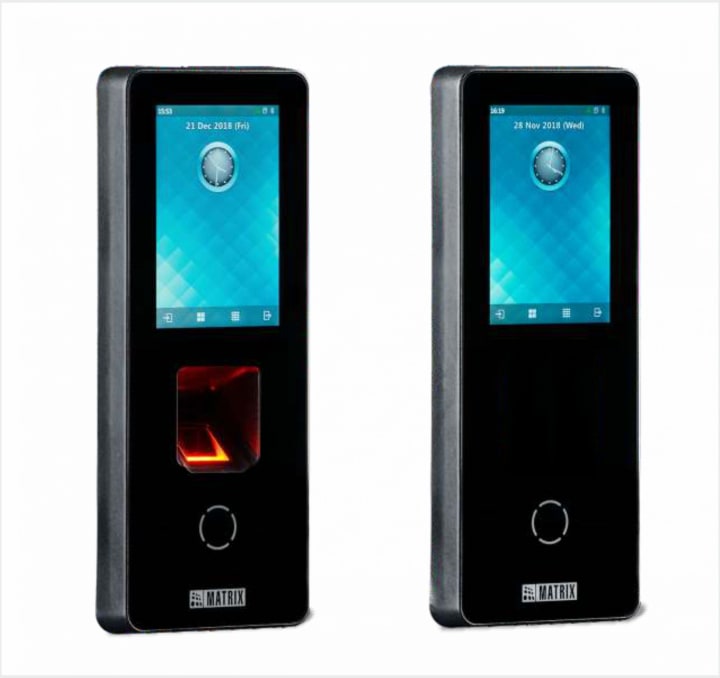
The future of biometric security hinges on our ability to navigate this tightrope walk effectively. Striking a balance requires implementing stringent data protection measures, transparent policies, and robust regulatory frameworks. Users must have control over their biometric data and be assured that their privacy is respected. This necessitates clear consent mechanisms and the ability to revoke access to biometric data when needed.
Emerging Technologies and Privacy-Enhancing Solutions
Innovations in biometric security are focused on addressing privacy concerns. Techniques like federated learning and homomorphic encryption allow for biometric data analysis without directly accessing or storing the raw data. This decentralized approach ensures that sensitive information remains secure while enabling accurate authentication. These emerging technologies offer a pathway to maintain security without compromising individual privacy.
Furthermore, multimodal biometrics—combining multiple biometric modalities—offers enhanced security and accuracy while minimizing the risk associated with a single point of failure. By integrating facial recognition with voice biometrics or fingerprint scanning, systems become more robust and less susceptible to spoofing. This redundancy not only strengthens security but also adds layers of protection against potential vulnerabilities.
The Role of Regulation and Ethical Considerations
As biometric security becomes more prevalent, regulatory bodies must establish clear guidelines and standards for its implementation. The General Data Protection Regulation (GDPR) in Europe and similar laws worldwide are steps in the right direction, but more specific regulations are needed to address the unique challenges of biometric data. Ethical considerations must also guide the development and deployment of these technologies, ensuring that they are used responsibly and for the benefit of society. This includes addressing biases in algorithms and ensuring equitable access to biometric technologies.
Looking Ahead: A Secure and Private Future
The future of biometric security is promising, provided we prioritize privacy and security alongside convenience. By embracing privacy-enhancing technologies, advocating for robust regulations, and fostering a culture of ethical responsibility, we can create a world where biometric authentication is both seamless and secure. At Rasnal Telecom and Security, we believe in promoting technologies that empower individuals while safeguarding their privacy. As we move forward, the conversation around balancing these critical aspects will continue to shape the landscape of biometric security.
About the Creator
Rasnal Telecom and Security
To provide advanced technology Telecom & Security solutions that meet the customer demands in terms of quality and cost. To be a reliable partner for all our stakeholders in the field of Telecom and Security.
Keep reading
More stories from Rasnal Telecom and Security and writers in The Swamp and other communities.
Lightning Protection Solution: Essential for Every Home
As the monsoon season approaches or storm clouds gather on the horizon, many homeowners think about leaky roofs or power outages. But how many consider the direct threat of a lightning strike to their most valuable asset – their home? While often overlooked, a comprehensive lightning protection solution isn't just for commercial buildings or industrial complexes; it's an essential safeguard for every modern home.
By Rasnal Telecom and Security8 months ago in The Swamp
Defense Logistics Market Size and Forecast 2025–2033
Defense Logistics Market Overview The Defense Logistics Market is projected to expand from US$ 163.55 billion in 2024 to US$ 286.33 billion by 2033, registering a CAGR of 6.42% from 2025 to 2033. This growth is being fueled by rising geopolitical tensions, military modernization initiatives, and the increasing need for rapid, technologically advanced supply chain operations. As armed forces worldwide confront evolving threats across land, sea, air, space, and cyber domains, logistics has emerged as a strategic pillar of defense preparedness.
By Janine Root 4 days ago in The Swamp



Comments (1)
I love biometric security! Amazingly amazing!