
The Dark Side of the Social Media Egg: When Virality Turns Toxic
How a simple photo of an egg exposed the dangers of internet fame, digital obsession, and our craving for online validation.

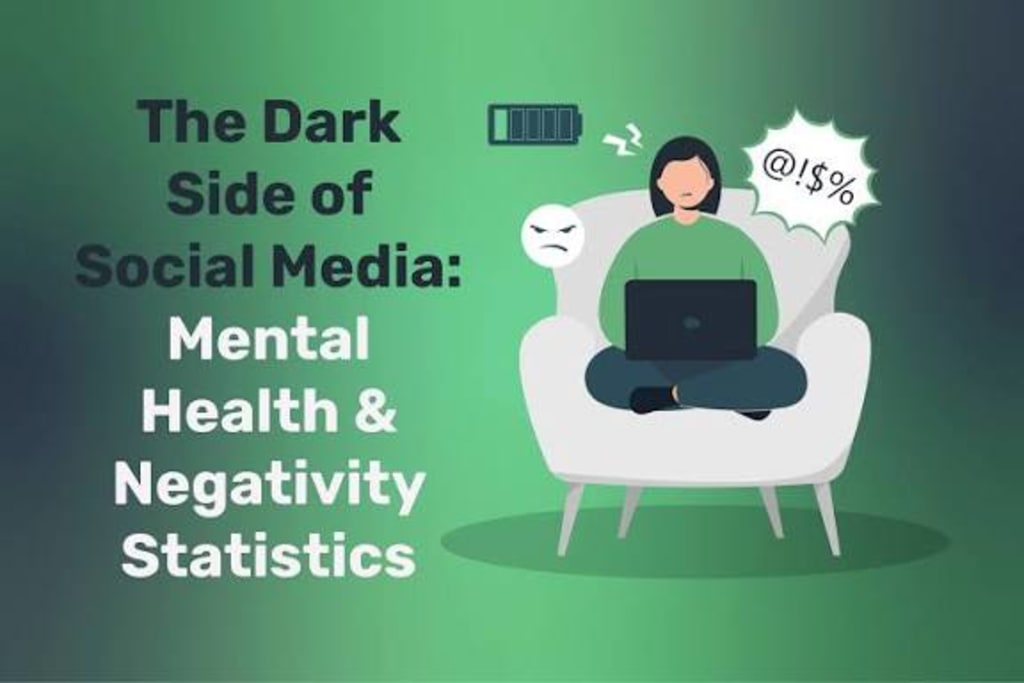
Introduction: The Egg That Broke the Internet
In early 2019, the world witnessed something bizarre yet fascinating — a simple picture of an egg posted on Instagram became the most-liked image in history. Known as the “World Record Egg,” it gained millions of likes in just a few days, surpassing celebrities, influencers, and major brands.
At first glance, it seemed harmless — even funny. A plain brown egg becoming more popular than Kylie Jenner’s post? It was a symbol of unity, humor, and the power of the internet. But beneath the laughter and likes, the “social media egg” story revealed something deeper about our digital culture — a darker truth about the way social media shapes our attention, emotions, and values.
---
The Power of Virality
The egg went viral faster than most marketing campaigns ever could. It proved that anyone or anything could become famous overnight if enough people clicked, shared, or liked.
But that’s where the problem begins. The viral success of the egg showed how easily people can be drawn into trends without meaning or context. Millions liked the post simply because others did — a phenomenon known as “herd mentality.”
This kind of collective behavior isn’t new, but social media magnifies it. The egg wasn’t special, creative, or groundbreaking — it was just ordinary. And yet, it became extraordinary because we made it so. The dark side here isn’t the egg itself — it’s how our online habits reward emptiness over substance.
---
The Illusion of Connection
When the egg went viral, people across the world felt connected. It became a global inside joke — a moment of internet unity. But how real was that connection?
Social media often gives us the illusion of belonging. We feel part of something bigger when we participate in viral trends. Yet, these connections are temporary and shallow, disappearing as soon as the next big trend arrives.
The “egg” moment made millions smile, but it also reminded us how quickly we move from one viral obsession to another. It’s a cycle of attention that keeps us scrolling, but rarely satisfied.
---
The Hidden Pressures Behind the Screen
After the egg reached record-breaking fame, the anonymous creator revealed its true purpose — to raise awareness about mental health and the pressures of social media.
In a follow-up post, the egg appeared cracked and fragile, symbolizing the mental breakdown that can come from constant online attention. This twist shocked many — the egg that started as a joke had turned into a message about the dangers of online pressure.
It was a clever move, but it also revealed something important: even a simple viral stunt isn’t immune to the dark emotional effects of social media. Behind every viral moment are people — creators, influencers, and users — who may struggle with the weight of fame, judgment, and expectation.
---
When Likes Become a Measure of Worth
The egg’s viral success also highlighted our obsession with numbers — likes, followers, and shares. These metrics have become modern measures of self-worth.
For many, social media validation can boost confidence, but it can also lead to anxiety when the likes stop coming. The egg showed how meaningless those numbers can be — an inanimate object gained more approval than millions of real people who work hard to create content.
It’s a strange reflection of how easily we confuse popularity with value. In chasing likes, we risk losing sight of authenticity, creativity, and real human connection.
---
The Business Behind Virality
After its massive success, the egg’s account became a marketing opportunity. Brands wanted to collaborate, and sponsorship offers poured in. What began as a social experiment turned into a commercial venture.
This shift exposes another dark side — how quickly corporate interests exploit viral moments. Social media is not just about connection; it’s also a powerful business tool. Every like, share, and comment contributes to algorithms that drive advertising and profit.
Even something as simple as an egg can be monetized when the internet’s attention is involved.
---
The Real Lesson Behind the Egg
The “social media egg” may seem like a harmless meme, but it carries important lessons. It shows how easily attention can be manipulated and how our digital habits reward virality over value.
The real danger lies not in the egg itself, but in what it represents — our growing dependence on online validation and the endless pursuit of digital fame.
Social media can connect us, inform us, and inspire us. But when we focus too much on trends and numbers, we risk losing touch with what truly matters — real relationships, mental well-being, and authenticity.
---
Conclusion: Cracks in the Shell
The story of the social media egg began as a joke, but it ended with a serious message. It cracked open the truth about our online behavior — our desire for attention, the illusion of connection, and the toll of constant comparison.
Perhaps the egg was more than a meme; it was a mirror. It reflected who we are in the digital age — connected yet lonely, entertained yet distracted, celebrated yet insecure.
In the end, the lesson is simple: social media should serve us, not control us. Whether it’s a viral egg or the next big trend, we must remember that behind every screen is a real person — and real life always matters more than likes.
About the Creator
Fiaz Ahmed
I am Fiaz Ahmed. I am a passionate writer. I love covering trending topics and breaking news. With a sharp eye for what’s happening around the world, and crafts timely and engaging stories that keep readers informed and updated.
Keep reading
More stories from Fiaz Ahmed and writers in The Swamp and other communities.
Congressman Dave Taylor: Ohio’s New Voice in the U.S. House
In 2025, Dave Taylor became a name to watch in American politics. As a newly elected U.S. Representative for Ohio’s 2nd Congressional District, he steps into Washington with a personal story, a slate of priorities, and a challenge to prove himself. This article takes you through who Dave Taylor is, how he got here, what he wants to do, and where critics see opportunity and risk.
By Fiaz Ahmed 3 months ago in The Swamp
By Dumping Tonnes of Sand Into the Ocean for 12 Years, China Has Created Brand-New Islands From Scratch
Over the past twelve years, China has quietly carried out one of the most ambitious and controversial engineering projects in modern history: the creation of entirely new islands by dumping millions of tonnes of sand into the ocean. What began as small-scale land reclamation has evolved into a sweeping transformation of the South China Sea, reshaping geography, geopolitics, and international relations. How Artificial Islands Are Created The process behind these artificial islands is deceptively simple but technically complex. Specialized dredging ships extract sand from the seabed and pump it onto shallow reefs and submerged rocks. Over time, layer upon layer of sand is deposited, gradually rising above sea level. Once land emerges, it is reinforced with concrete, rock barriers, and infrastructure to prevent erosion. China has used this method extensively, particularly on disputed reefs and shoals. What were once barely visible features at low tide have become full-fledged islands, complete with runways, ports, radar systems, and buildings. Why the South China Sea Matters The South China Sea is one of the world’s most strategically important waterways. An estimated one-third of global maritime trade passes through it each year, carrying trillions of dollars’ worth of goods. The region is also believed to hold vast reserves of oil, natural gas, and rich fishing grounds. Multiple countries — including Vietnam, the Philippines, Malaysia, Brunei, and Taiwan — claim parts of the sea. China, however, asserts sweeping sovereignty over most of it, marked by its controversial “nine-dash line.” The creation of artificial islands has strengthened China’s physical presence and reinforced its territorial claims. From Sandbars to Strategic Strongholds What makes China’s island-building campaign particularly significant is how quickly reclaimed land has been militarized. Satellite imagery and independent analyses show airstrips long enough to handle military aircraft, deep-water harbors capable of hosting naval vessels, and advanced surveillance systems. These installations allow China to project power far beyond its mainland coast, extending its reach across Southeast Asia. Critics argue that these islands act as unsinkable aircraft carriers, altering the balance of power in the region. Environmental Consequences Beneath the Surface While the geopolitical implications are widely debated, the environmental cost is equally alarming. The dredging process destroys coral reefs, which are among the most biodiverse ecosystems on the planet. Sediment clouds generated during sand dumping smother marine life, disrupt fish breeding grounds, and permanently alter underwater landscapes. Marine scientists warn that damage to coral reefs can take decades — if it recovers at all. For coastal communities that rely on fishing, these changes threaten livelihoods and food security. International Law and Global Pushback China’s actions have drawn sharp criticism from the international community. In 2016, an international tribunal ruled that China’s expansive claims in the South China Sea had no legal basis under international law. The ruling also stated that artificial islands do not generate territorial waters or exclusive economic zones. China rejected the decision, calling it invalid and continuing its construction activities. Meanwhile, other nations have responded with diplomatic protests and increased naval patrols, including freedom-of-navigation operations by the United States and its allies. A New Kind of Territorial Expansion Historically, empires expanded by conquering land. China’s island-building represents a new model: creating territory where none existed before. This approach blurs the line between engineering achievement and strategic maneuvering, raising difficult questions about how international law should adapt to technological capabilities. If artificial islands become widely accepted as legitimate territory, it could set a precedent for other nations to reshape oceans for strategic advantage. The Broader Global Implications Beyond Asia, China’s actions have sparked global debate about maritime governance, environmental responsibility, and the future of territorial disputes. Smaller nations fear being sidelined, while major powers worry about the erosion of established international norms. At the same time, the sheer scale of the project highlights China’s engineering capacity and long-term planning. Turning submerged reefs into permanent landmass within just over a decade is a feat few countries could replicate. Conclusion: Engineering the Future of Power By dumping tonnes of sand into the ocean for over a decade, China has not merely created islands — it has reshaped the strategic landscape of an entire region. These artificial islands stand as symbols of ambition, controversy, and a shifting world order. As technology continues to expand what is physically possible, the challenge for the global community will be ensuring that innovation does not come at the cost of environmental destruction, regional stability, and international law. The islands may be made of sand, but their impact is anything but fragile.
By Fiaz Ahmed Brohi8 days ago in The Swamp




Comments
There are no comments for this story
Be the first to respond and start the conversation.