
The Campaign to Persuade Trump to Investigate the Federal Reserve Chief
How political pressure, economic frustration, and institutional power collide over the leadership of America’s central bank

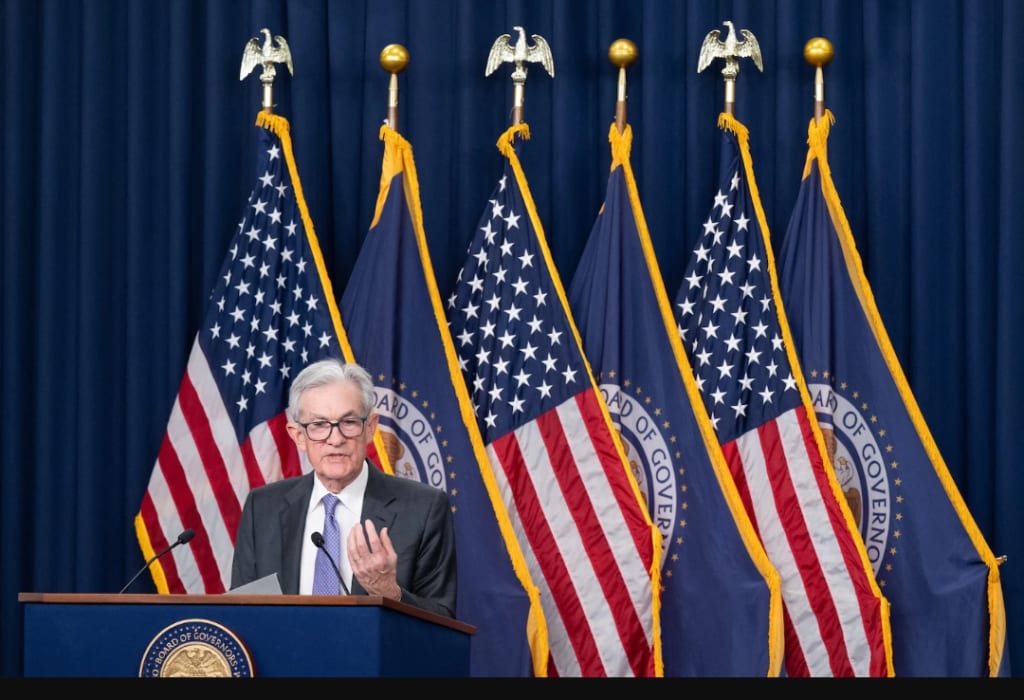
In recent months, a growing political campaign has emerged urging former President Donald Trump to investigate the leadership of the U.S. Federal Reserve, particularly its chair. This effort reflects broader tensions between populist political movements and independent financial institutions, reigniting a long-standing debate over the role, accountability, and power of the central bank in American democracy.
While the Federal Reserve is designed to operate independently from partisan politics, critics argue that its decisions have profound political and economic consequences that deserve closer scrutiny. The renewed push to involve Trump signals how deeply monetary policy has become intertwined with political identity and electoral strategy.
Why the Federal Reserve Is in the Spotlight
The Federal Reserve plays a central role in shaping the U.S. economy by controlling interest rates, managing inflation, and stabilizing financial markets. Its independence is meant to protect economic decisions from short-term political pressure. However, that independence has also made it a frequent target for criticism—especially during periods of economic uncertainty.
Rising interest rates, persistent inflation concerns, and fears of economic slowdown have fueled public frustration. For Trump allies and supporters, these economic challenges are often framed as evidence of mismanagement or ideological bias at the Fed. They argue that aggressive rate hikes have hurt consumers, slowed growth, and weakened political momentum for pro-growth agendas.
This dissatisfaction has created fertile ground for calls to investigate the Federal Reserve chief’s leadership, decision-making process, and potential political motivations.
Trump’s Longstanding Feud With the Fed
Donald Trump’s strained relationship with the Federal Reserve is not new. During his presidency, he repeatedly criticized the Fed chair for raising interest rates, arguing that tighter monetary policy undermined economic growth and his administration’s economic achievements.
Trump often accused the Fed of acting too slowly when stimulus was needed and too aggressively when restraint was unnecessary. These public clashes broke with tradition, as presidents typically avoid direct confrontation with the central bank. However, Trump’s willingness to challenge institutional norms resonated with supporters who viewed the Fed as part of an unaccountable elite.
The current campaign seeks to revive that confrontational stance, framing an investigation as a way to restore transparency and accountability.
Who Is Driving the Campaign?
The push to persuade Trump comes from a mix of political operatives, conservative commentators, and populist economists. Many of them argue that the Federal Reserve has exceeded its mandate and has become too influential in shaping social and political outcomes.
Some critics allege that the Fed’s policies disproportionately benefit Wall Street over everyday Americans. Others claim that decisions on interest rates and liquidity have political timing, indirectly influencing elections or public opinion.
While there is little concrete evidence to support accusations of criminal wrongdoing, the campaign emphasizes the need for oversight rather than prosecution. Still, the language used by some advocates—calling for investigations or indictments—has heightened controversy.
Legal and Institutional Challenges
Investigating a sitting or former Federal Reserve chair would face significant legal hurdles. The Fed operates under congressional authority, and its leaders are appointed through established constitutional processes. Any formal investigation would likely require congressional involvement rather than executive action alone.
Moreover, economists warn that politicizing the Federal Reserve could undermine market confidence. The perception of independence is critical to the Fed’s credibility. If investors believe monetary policy is driven by political vendettas, it could lead to market volatility, currency instability, and higher borrowing costs.
These risks explain why many lawmakers, including some conservatives, have been cautious about endorsing aggressive action against the Fed.
Political Strategy or Economic Reform?
For Trump and his allies, the campaign serves multiple purposes. Politically, it reinforces a narrative of fighting entrenched institutions on behalf of ordinary Americans. Economically, it taps into real anxieties about inflation, housing affordability, and wage stagnation.
However, critics argue that targeting the Federal Reserve chief oversimplifies complex economic problems. Inflation and interest rates are influenced by global factors, including supply chain disruptions, geopolitical tensions, and fiscal policy decisions made by Congress and the White House.
Reducing these challenges to individual leadership failures, they say, risks misleading the public and eroding trust in economic governance.
What Comes Next?
Whether Trump chooses to actively pursue this campaign remains uncertain. While the rhetoric has intensified, concrete steps toward an investigation would require coordination with lawmakers and legal authorities.
What is clear, however, is that the debate over the Federal Reserve’s role is far from over. As economic pressures continue and political polarization deepens, the central bank is likely to remain a focal point in broader struggles over power, accountability, and economic direction.
The campaign to persuade Trump to investigate the Federal Reserve chief reflects more than personal rivalry—it highlights a fundamental question facing modern democracies: how to balance independent expertise with democratic oversight in an increasingly politicized economic landscape.
About the Creator
Asad Ali
I'm Asad Ali, a passionate blogger with 3 years of experience creating engaging and informative content across various niches. I specialize in crafting SEO-friendly articles that drive traffic and deliver value to readers.
How Much Do You Need in an ISA for a Passive Income That Beats the State Pension
For many Britons, the State Pension provides a modest, steady income in retirement. As of 2026, the full State Pension is around £203.85 per week, or roughly £10,600 per year. While it offers a financial foundation, for most retirees it’s not enough to maintain the lifestyle they want. This has led many people to explore Individual Savings Accounts (ISAs) as a vehicle for generating passive income that exceeds the State Pension.
By Muhammad Hassanabout 15 hours ago in The Swamp
Miss Persephone's Manual to a Seemingly Ordinary Life
Miss Persephone was found at the dining table, her blue eyes swollen, her tears arriving and retreating like the tides of the ocean. Earlier that day, her family had visited her in the retirement home where she had lived for eight years. It was her eightieth birthday.
By Imola Tóth4 days ago in Fiction




Comments
There are no comments for this story
Be the first to respond and start the conversation.