
Texas Governor Halts H-1B Hiring at State Colleges and Agencies
Policy move sparks debate over workforce needs, immigration, and higher education in Texas

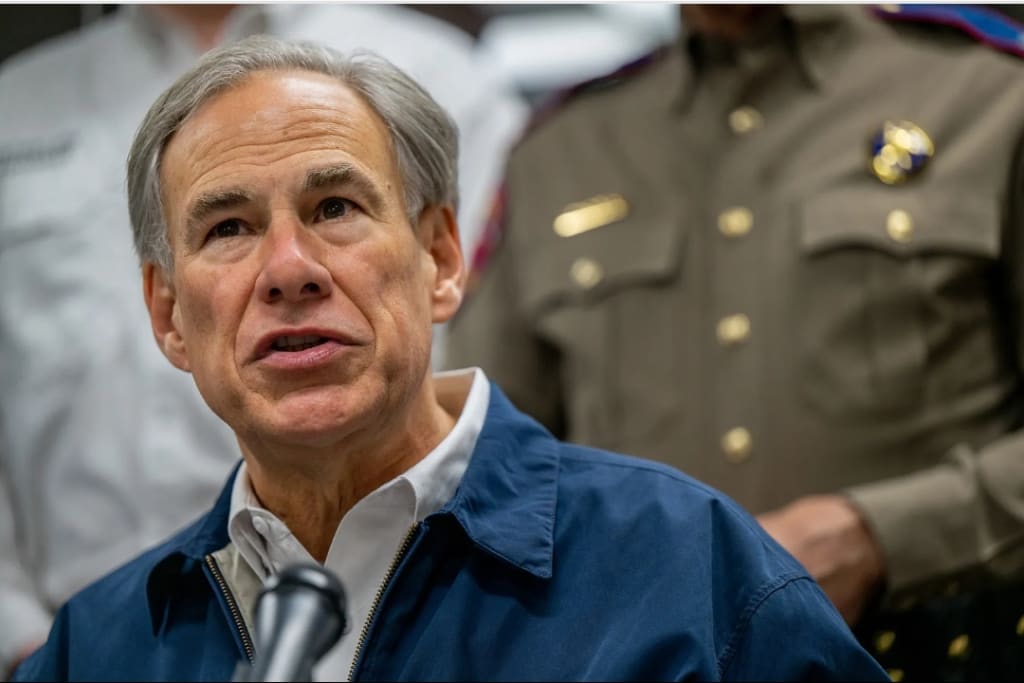
The Texas governor has ordered a halt to H-1B visa hiring at state colleges and government agencies, a decision that has quickly ignited debate over immigration policy, workforce shortages, and the future of higher education in the state. Supporters say the move prioritizes American workers, while critics warn it could undermine research, innovation, and public services that rely on highly skilled international talent.
The directive applies across state-funded universities, community colleges, and government agencies, marking one of the most sweeping state-level restrictions on the use of H-1B visas in recent years.
What the H-1B Hiring Halt Means
The H-1B visa program allows US employers to hire foreign workers in specialty occupations, particularly in fields such as science, engineering, medicine, and information technology. Texas state colleges and agencies have long used the program to fill highly specialized roles that often struggle to attract domestic candidates.
Under the governor’s order, new H-1B hires are suspended, though existing employees on valid visas are expected to remain in their positions for now. Agencies have been instructed to review their hiring practices and focus on recruiting US citizens and permanent residents.
State officials said the move aligns with broader efforts to strengthen the domestic workforce and reduce reliance on foreign labor.
Governor’s Rationale: “Prioritizing Texas Workers”
In announcing the policy, the governor emphasized the importance of putting Texas and American workers first, arguing that state-funded institutions should lead by example.
“Taxpayer-funded jobs should be filled by qualified Americans whenever possible,” the governor said in a statement. “This policy ensures that our institutions invest in developing and hiring homegrown talent.”
Supporters of the decision argue that it reflects growing frustration over the H-1B program, which critics say can be used to undercut wages or bypass domestic workers.
Concerns From Higher Education Leaders
University administrators and academic leaders, however, have expressed concern that the hiring freeze could hamper research and teaching capacity, especially in STEM fields.
Texas universities are major research hubs, relying heavily on international scholars and specialists. Critics warn that restricting H-1B hiring could:
Slow scientific research and innovation
Reduce competitiveness for federal research grants
Limit course offerings in specialized disciplines
Drive talent to universities in other states
A senior university official, speaking on condition of anonymity, said the policy could make Texas “less attractive to top global talent at a time when higher education is already under strain.”
Impact on State Agencies and Public Services
Beyond universities, the order also affects state agencies that employ H-1B workers in areas such as public health, data analysis, engineering, and cybersecurity.
Some agency leaders worry the policy could worsen existing talent shortages, particularly in technical and healthcare-related roles. Recruiting US workers for these positions can be challenging, especially in rural areas or highly specialized fields.
Labor experts note that H-1B workers often fill gaps rather than replace domestic workers, especially when skills are scarce.
Political and Legal Implications
The move fits into a broader national debate over immigration and employment, particularly as states seek to assert greater control over workforce policies. While immigration law is primarily federal, states have discretion over their own hiring practices, especially for publicly funded institutions.
Democrats and immigration advocates have criticized the decision as politically motivated, arguing that it sends a chilling message to international students and professionals who contribute significantly to Texas’s economy.
Republican lawmakers largely welcomed the move, framing it as a step toward self-reliance and workforce development.
Effects on International Students and Researchers
Texas hosts tens of thousands of international students, many of whom hope to transition from student visas to H-1B employment after graduation. The hiring halt raises questions about career pathways for these graduates, particularly those trained at Texas institutions.
Experts warn that limiting post-graduation opportunities could discourage international students from choosing Texas universities, potentially affecting enrollment, tuition revenue, and campus diversity.
What Comes Next?
State agencies and colleges are now reviewing compliance requirements and assessing how the hiring halt will affect ongoing projects. Some institutions are exploring alternative options, such as:
Hiring permanent residents instead of H-1B workers
Partnering with private-sector organizations
Expanding training programs for domestic workers
Legal challenges are also possible, particularly if institutions argue that the policy interferes with academic freedom or federal research obligations.
Conclusion: A Controversial Shift With Wide Reach
The Texas governor’s decision to halt H-1B hiring at state colleges and agencies represents a significant policy shift with far-reaching consequences. While supporters see it as a win for domestic workers, critics fear it could weaken Texas’s position as a leader in education, research, and innovation.
As the debate continues, the long-term impact will depend on whether Texas can successfully fill critical roles with local talent—or whether the state risks losing expertise to more globally open competitors.
About the Creator
Asad Ali
I'm Asad Ali, a passionate blogger with 3 years of experience creating engaging and informative content across various niches. I specialize in crafting SEO-friendly articles that drive traffic and deliver value to readers.
“Gang Held a Sledgehammer to My Head”: Victim Recounts Terror of £1 Million Burglary
A victim of a high-value burglary has described a horrifying ordeal in which a gang of masked intruders held a sledgehammer to his head while ransacking his home in a meticulously planned raid valued at more than £1 million. The incident, now under active criminal investigation, has sparked renewed debate among legal professionals and media commentators over the growing sophistication of organised burglary gangs and the adequacy of sentencing frameworks to address extreme psychological harm inflicted on victims.
By Ayesha Lashari6 days ago in The Swamp
Donald Trump’s Latest Visa Ban Hits African Countries Hard
When former U.S. President Donald Trump announced a new round of visa restrictions, the global reaction was swift — but nowhere was the impact felt more deeply than across African nations. The policy, which suspends or severely limits immigrant visa processing for dozens of countries, has once again placed immigration, security, and discrimination at the center of international debate.
By Aqib Hussain6 days ago in The Swamp
🅼🅸🅳🅽🅸🅶🅷🆃 🆂🅽🅰🅲🅺🆂
"It's 10 in Tuscon! We all know what that means... It's Time for Midnight Snacks with your man, Gerald Gee! Ready to spend the night together? Me too! I'm full of snacks and can't wait to regurgitate them all back into your hungry ears. Crack a brew! Pop some corn! Anything to get ready for one hell of a show where the talk maybe cheap but the words cut deep...
By Lamar Wiggins6 days ago in Fiction


Comments
There are no comments for this story
Be the first to respond and start the conversation.