
Tesco’s Free Fruit for Kids: A Small Gesture With a Big Impact
How a simple supermarket initiative is shaping healthier habits, supporting families, and redefining everyday shopping

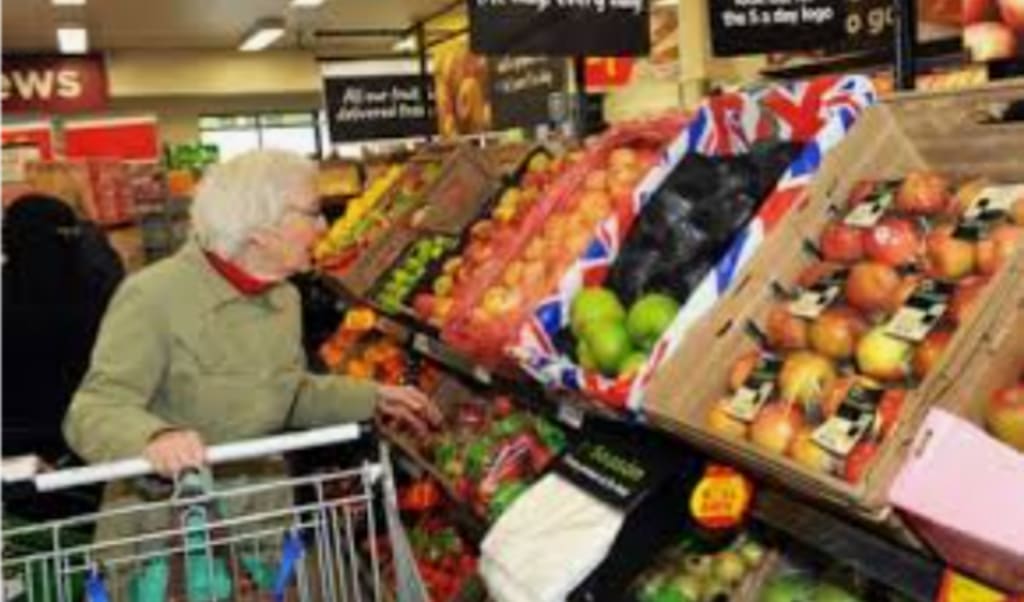
In the busy aisles of a Tesco supermarket, between stacked shelves and humming refrigerators, something quietly revolutionary is happening. Near the entrance, baskets of bananas, apples, and oranges sit freely available—not for purchase, but for children. Tesco’s Free Fruit for Kids initiative is simple in concept, yet powerful in effect, proving that meaningful change does not always require grand gestures.
At a time when rising food costs and childhood nutrition concerns dominate public conversation, this initiative stands out as a reminder that accessibility and intention can go hand in hand.
What Is Tesco’s Free Fruit Scheme?
Tesco’s free fruit program allows children to pick a piece of fruit while shopping with their parents. No payment, no vouchers, no complicated sign-up. The idea is straightforward: encourage healthier snacking habits by making nutritious food easily available during the shopping experience.
For many families, supermarket trips are long and tiring, especially with young children. Snacks become a necessity rather than a luxury. By offering fruit instead of processed alternatives, Tesco subtly nudges children toward better choices—without pressure or judgment.
Encouraging Healthy Habits Early
Nutrition experts consistently emphasize that eating habits formed in childhood often last a lifetime. When children learn to associate fruit with convenience and enjoyment rather than obligation, the impact can be long-lasting.
The beauty of Tesco’s initiative lies in its normalization of healthy food. Children don’t feel like they are being “told” to eat fruit; they simply see it as an option. Over time, this repeated exposure builds familiarity and preference, turning a banana or apple into a go-to snack rather than an afterthought.
It also removes the “treat” stigma often attached to sugary snacks. When fruit is freely available, it becomes part of everyday life, not a special reward.
Supporting Parents in a Cost-of-Living Crisis
For parents, especially those navigating tight budgets, every small saving matters. While a single piece of fruit may not seem significant, the psychological relief of one less item to buy—or one less snack negotiation—can make shopping less stressful.
The scheme also supports parents who are actively trying to improve their children’s diets but face resistance. When fruit is offered by the store rather than the parent, it often feels less like a rule and more like a privilege, reducing conflict and encouraging cooperation.
In this way, Tesco is not just feeding children—it is supporting families.
A Smarter Supermarket Experience
From a business perspective, the initiative is also a clever investment in customer loyalty. Parents are more likely to shop where their children feel welcomed. A positive experience during childhood can build long-term brand trust, turning young shoppers into future customers.
More importantly, the program humanizes the supermarket experience. In an era where shopping is increasingly transactional and automated, small touches of care stand out. Free fruit sends a message that the company recognizes real-life needs beyond profit margins.
Tackling Food Waste Responsibly
Another lesser-discussed benefit of the free fruit scheme is its potential role in reducing food waste. Supermarkets often face challenges with fruit nearing peak ripeness. Redirecting suitable produce to children helps ensure it is consumed rather than discarded.
When implemented thoughtfully, initiatives like this align sustainability with social responsibility—an increasingly important balance in modern retail.
Why This Initiative Matters More Than Ever
Childhood obesity, nutritional inequality, and food insecurity remain pressing issues in many communities. While no single initiative can solve these problems entirely, small, consistent actions can create meaningful change over time.
Tesco’s free fruit program does not lecture, shame, or exclude. It simply offers a better option. That quiet approach is precisely what makes it effective.
In a world saturated with health campaigns and marketing messages, subtle encouragement often works better than forceful instruction.
Public Response and Cultural Impact
The initiative has been widely praised by parents, educators, and health advocates. Social media posts frequently show children proudly holding their chosen fruit, turning a mundane shopping trip into a moment of independence and joy.
These shared experiences contribute to a broader cultural shift—one where healthy choices are celebrated, accessible, and normal.
A Model for the Future
Tesco’s free fruit scheme demonstrates how corporations can influence public health positively without grandstanding. It shows that responsibility does not always require sweeping reform; sometimes, it begins with a basket of fruit at the door.
As other retailers watch the success of this initiative, it may inspire similar programs elsewhere, creating ripple effects far beyond a single store.
Because when healthy choices are made easy, everyone benefits.
About the Creator
Sajida Sikandar
Hi, I’m Sajida Sikandar, a passionate blogger with 3 years of experience in crafting engaging and insightful content. Join me as I share my thoughts, stories, and ideas on a variety of topics that matter to you.
Keep reading
More stories from Sajida Sikandar and writers in The Swamp and other communities.
When the Lights Go Out: Understanding a Hydro One Outage
Power outages are more than just an inconvenience—they are moments that expose how deeply electricity is woven into everyday life. A Hydro One outage, whether lasting minutes or hours, can disrupt homes, businesses, healthcare services, and entire communities across Ontario. From flickering lights to prolonged blackouts, these events remind us of our reliance on a stable electrical grid and the importance of preparedness.
By Sajida Sikandar2 months ago in The Swamp
Parallel Protests
I haven't written for quite some time, but I have A LOT of thoughts about yesterday's protest rally against our government's involvement and complicity in America's war on Iran, on the harbourside of my home city Bristol, and I need to put them somewhere. My gorgeous girlfriend is always a loving and listening ear and sharing it all with her will always be a healthy and happy way of processing the mental and emotional weight, but getting it straight in my brain to share means writing it all down in straight lines, so, here we are and thanks for being here.
By Steph Cole11 days ago in The Swamp
Writing To Succeed
If you want to find something that will help readers find your writing, possibly expand your audience, and maybe even get you noticed for other things, then you’re not alone. But how can you get it done in a world full of want-to-be writers? Look less at what you’re writing now, and more at what other writers have used to boost their views and reads.
By Jason Ray Morton 6 days ago in Writers



Comments
There are no comments for this story
Be the first to respond and start the conversation.