
Tariffs Explaine: How They Impact You, Economy
Tariffs Explaine
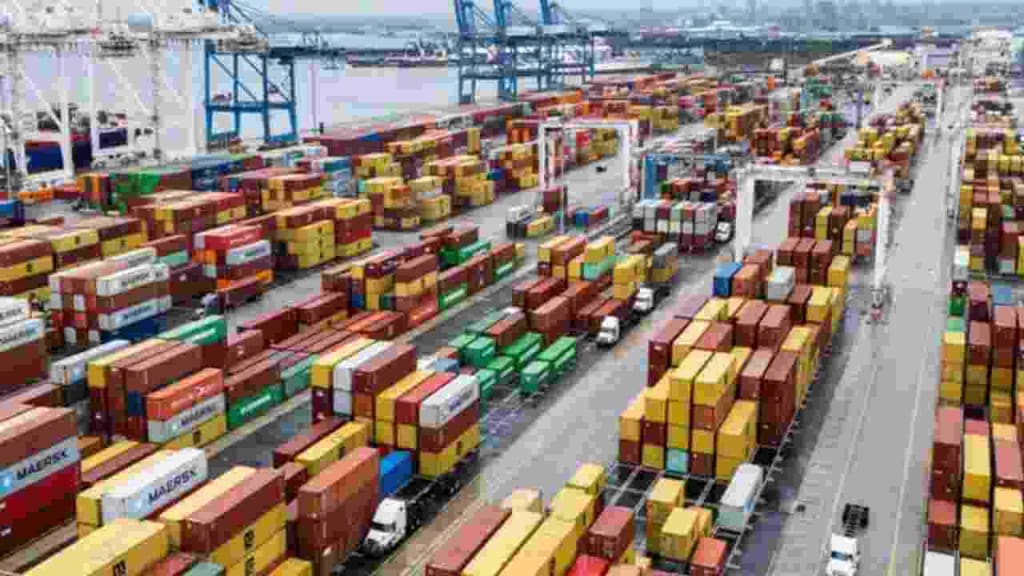
Tariffs are back in the headlines, and whether you’re a business owner, a shopper, or just someone trying to make sense of the news, understanding how these taxes on imports work—and why they matter—is more important than ever. In this article, we’ll break down everything you need to know about tariffs, from their real-world effects on prices and jobs to the political debates shaping their future. Let’s dive in.
What Are Tariffs, and Why Do Governments Use Them?
- Tariffs are taxes governments add to products imported from other countries. Think of them like a toll fee: if a foreign company wants to sell goods in another country, they have to pay extra. The goal? To make imported goods more expensive, encouraging people to buy cheaper local products instead.
Governments often use tariffs to:
- Protect local industries and jobs.
- Punish other countries for unfair trade practices (like dumping cheap products).
- Boost government revenue.
But tariff aren’t a magic fix. While they might help some industries, they can also lead to higher prices for everyday items, trade wars, and strained international relationships. Let’s look at how this plays out in real life.
Tariffs in Action: Recent Examples
In 2024, former President Donald Trump proposed a new wave of tariff targeting Chinese electric vehicles, steel, and semiconductors. His argument? To revive American manufacturing and counter China’s growing influence. Meanwhile, the Biden administration has kept some Trump-era tariff in place but focused on boosting green energy and tech sectors.
These policies have sparked heated debates. Supporters say tariff protect jobs and national security. Critics argue they hurt consumers and slow economic growth. For example:
- Steel tariffs pushed up costs for U.S. automakers, leading to higher car prices.
- Chinese tariffs led to retaliatory taxes on American soybeans, hitting farmers hard.
How Tariffs Affect Your Wallet
Let’s get personal: tariffs might sound like a distant political issue, but they directly impact your budget. Here’s how:
1. Higher Prices
When tariff make imported goods pricier, companies often pass those costs to you. For instance:
- A 25% tariff on Chinese electronics could raise the price of your next laptop or phone.
- Tariffs on European cheese or olive oil? Get ready for pricier grocery trips.
2. Job Gains (and Losses)
Tariffs can save jobs in protected industries (like steel mills) but destroy others. If a U.S. tractor company pays more for steel, it might lay off workers or hike tractor prices, hurting farmers.
3. Inflation
Tariffs act like a hidden tax, contributing to inflation. A 2024 study estimated Trump’s proposed tariff could cost the average household $1,700 yearly.
The Ripple Effect on Businesses
Small businesses often feel tariffs the hardest. Imagine running a bike shop: if tariffs spike the cost of imported bike parts, you either absorb the loss or charge customers more. Meanwhile, big corporations might move production overseas to avoid tariff, undermining the policy’s goal.
Case Study: Wisconsin’s Dairy Farmers
Wisconsin is famous for its cheese, but tariff on Canadian dairy products in 2024 led to retaliatory taxes on Wisconsin cheese exports. Result? Farmers struggled to sell abroad, and local jobs suffered.
Tariff and the Global Economy: Friends or Foes?
Tariff don’t exist in a vacuum. When one country raises tariff, others often retaliate. The U.S.-China trade war under Trump saw both sides imposing billions , disrupting supply chains and slowing global growth.
The “Winners” and “Losers”
- Winners: Industries shielded from foreign competition (e.g., U.S. steel).
- Losers: Exporters (like farmers), consumers, and industries relying on imported materials.
The Political Battle Over Tariffs
Tariffs are as much about politics as economics. In the 2024 election, Trump campaigned on aggressive tariffs to appeal to factory workers in swing states like Pennsylvania and Michigan. Meanwhile, Biden’s team framed tariff as a tool to counter China’s dominance in clean energy.
Florida’s Unique Stake
Florida’s ports and tourism industry rely heavily on global trade. Tariffs on Chinese goods could raise costs for everything from cruise ship parts to hotel supplies, impacting the state’s economy.
What’s Next for Tariffs? 3 Trends to Watch
1. Green Energy Tariffs
As the U.S. pushes solar and wind power, tariffs on Chinese solar panels and batteries could rise—slowing the green transition but boosting local manufacturers.
2. Digital Services Taxes
Countries are eyeing tariff on tech giants like Amazon and Google, taxing digital services instead of physical goods.
3. Global Alliances vs. “America First”
Will the U.S. work with allies to set fair trade rules, or go solo with protectionist policies? The answer could reshape global trade for decades.
How to Stay Ahead of Tariff Changes
1. Shop Smart
If tariffs hit your favorite imports, look for local alternatives or buy during sales.
2. Business Planning
Diversify suppliers and stay updated on trade policies. Tools like the U.S. International Trade Commission’s website track tariffs changes.
3. Vote Informed
Understand candidates’ trade policies. Do they align with your industry or values?
The Bottom Line
Tariffs are a double-edged sword. They can protect jobs and punish unfair trade but often come with hidden costs for consumers and businesses. As the 2024 election showed, the debate over tariffs isn’t going away—it’s evolving.
Whether you’re a voter, shopper, or entrepreneur, staying informed helps you adapt and make smarter decisions. After all, in a global economy, what happens in trade policy today shapes your tomorrow.
About the Creator
Parallel Protests
I haven't written for quite some time, but I have A LOT of thoughts about yesterday's protest rally against our government's involvement and complicity in America's war on Iran, on the harbourside of my home city Bristol, and I need to put them somewhere. My gorgeous girlfriend is always a loving and listening ear and sharing it all with her will always be a healthy and happy way of processing the mental and emotional weight, but getting it straight in my brain to share means writing it all down in straight lines, so, here we are and thanks for being here.
By Steph Cole6 days ago in The Swamp


Comments
There are no comments for this story
Be the first to respond and start the conversation.