
Steps To Improve Your Credit Score For First-Time Homebuyers
Discover key steps to improve your credit score as a first-time homebuyer.

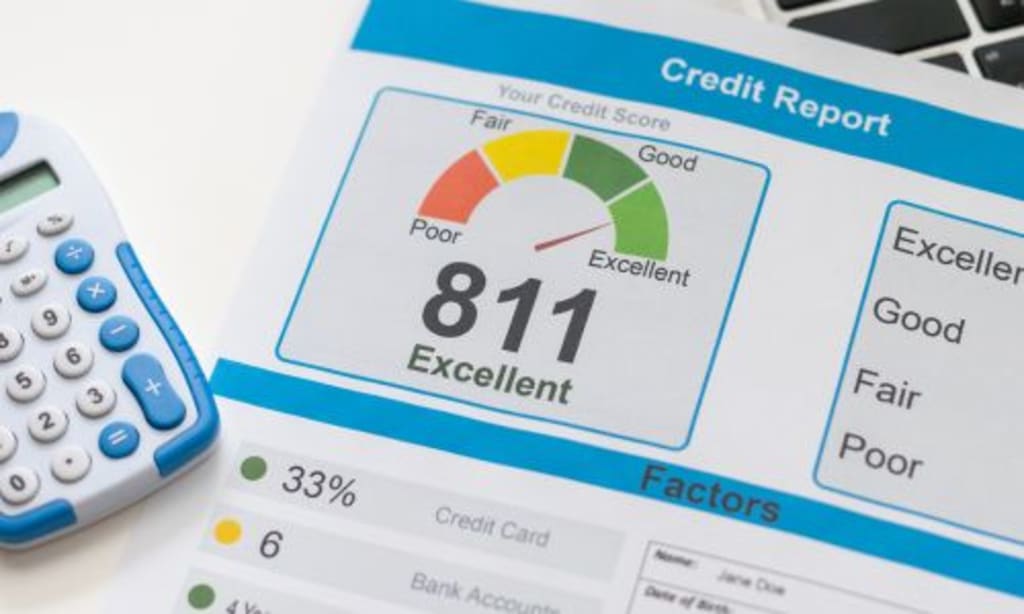
The path to homeownership starts long before walking through that first open house. Each credit bureau provides one free credit report annually - grab those reports first. Look closely at every detail because even small errors can affect loan approval chances. Simple habits create the biggest impact on credit scores. Making payments by the due date boosts scores faster than any other action.
Setting up automatic payments prevents those frustrating late fees and score drops. Credit card balances need careful attention too. Banks love seeing card balances stay under 30% of available credit. Those extra card payments might feel painful now but lead to major savings on mortgage rates.
Credit scores don't jump overnight - they climb steadily with consistent good habits. Past credit mistakes fade over time while new positive actions shine through. Taking steps now to boost that credit score creates a clearer path toward grabbing those house keys. The mortgage approval process becomes much smoother with a healthy credit score backing the application.
Pay Bills on Time
Paying bills on time is the biggest part of getting a good credit score. Your payment history shows lenders if they can count on you to pay them back. Missing even one payment can hurt your score for a long time.
Your phone can remind you when bills are coming up each month. Many banks let you set up auto-pay so the money comes out on its own. You can also mark your calendar at home to keep track of when things are due.
Having a history of paying on time can help you get better loan deals later. Even if your credit isn't great now, showing steady payments makes lenders more likely to help. Many companies offer unsecured loans for bad credit scores, but they charge higher rates. Building good payment habits can help you get better rates over time.
Here's why paying bills on time matters so much:
● Late fees cost you extra money you could save
● Your credit score drops fast with missed payments
● A good payment history makes getting loans easier
● Lenders look at your past three to six months closely
● Better credit means lower interest rates on loans
Reduce Credit Card Balances
Keeping your credit card balances low is like keeping money in your pocket. Using too much of your credit makes lenders worry you might be struggling. Smart credit card use means keeping your spending under control.
The 30% rule that credit experts love to share. If your credit card limit is £1,000, try to keep your spending under £300. This shows lenders you're not maxing out your cards just to get by. The less credit you use, the more points your credit score gets.
You start by tackling those cards with the highest interest rates first. Make a list of all your cards and their interest rates. Put any extra money toward the card, charging you the most interest. Keep making regular payments on your other cards while you focus on the expensive ones.
Here's why keeping low balances helps your credit score:
● Lower balances mean you pay less in interest each month
● Banks see you as less risky when you use less credit
● Your credit score goes up faster with low card balances
● You'll have credit ready for real emergencies
● More available credit helps when applying for home loans
A neat trick is to make small payments throughout the month. You don't have to wait for your bill to come to pay for something. Even paying $20 here and there helps keep your balance down. Your credit score will thank you for keeping those balances nice and low.
Pay Off Small Debts
Small debts can cause big problems for your credit score if you ignore them. Even a forgotten medical bill of £100 can hurt your credit for years. Smart people take care of small debts before they turn into bigger headaches. Paying off these little debts shows lenders you're good with money.
Getting an unsecured loan in the UK can help you clean up those small debts fast. These loans don't need any collateral, which means you don't risk losing your stuff. Many UK lenders offer fair rates if you show you're working on your credit.
You can make a list of all your debts and pick the smallest ones to pay first. Each small debt you pay off gives you a quick win and boosts your score. Paying off debts one by one helps you stay focused and motivated.
Here's why clearing small debts matters:
● Old collections can drop your score by 100 points
● Paying off small debts looks good to mortgage lenders
● Each debt you clear gives your credit score a boost
● Fewer monthly payments mean less stress for you
● Better credit scores mean lower interest rates later
Use a Secured Credit Card if Necessary
Starting fresh with credit? A secured credit card can be your best friend. These cards need some money upfront, like a safety deposit on an apartment. Your deposit becomes your spending limit on the card. Using this card helps you build trust with lenders step by step.
Let's say you put down £500 - that becomes your credit limit to spend. The bank holds onto this money while you use the card each month. Every time you buy something and pay it back, the bank tells credit bureaus you're doing great. It's like having a friend tell others they can count on you.
Most people start seeing better credit scores after six months of careful card use. Buy a few things each month, like gas or groceries you'd buy anyway. Pay the full amount back before the due date comes around. Soon, you'll have proof that lenders can trust you with credit.
Here's what makes secured cards work well:
● No surprise fees since your deposit sets your limit
● Monthly reports to credit bureaus build your history
● Many cards let you upgrade to regular cards later
● Your deposit stays safe while you build credit
● Some cards give rewards just like regular credit cards
The key is using your secured card like a pro each month. Keep your spending under 30% of your deposit amount. Never miss a payment date - set reminders if you need them. After about a year of good use, you might qualify for a regular credit card.
Conclusion
You start by checking your current credit score through free credit report websites. You look carefully at your credit report to find any mistakes that need fixing. Make sure to pay all your monthly bills exactly when they are due. Keeping your credit card balances low helps boost your score quickly.
You must try to use less than half of your available credit card limits. Setting up automatic payments helps you avoid missing any important due dates. You can consider asking someone with good credit to add you as an authorised user. Working with a credit counsellor can give you more personal guidance.
The path to better credit takes some time and careful planning. Most people see their scores improve within six to twelve months of trying. Remember that every positive change you make helps move you toward homeownership. Stay focused on your goal of buying your perfect first home.
About the Creator
Jessica William
Hi, I am Jessica Williams, a content writer for the prestigious firm 1Onefinance, share my expertise in finance aspects of the firm. I am working here on a Senior position guiding via blog writing on loans for people on benefits.
Keep reading
More stories from Jessica William and writers in The Swamp and other communities.
Key Approaches To Mitigate Risks For Businesses Pursuing Funding
Businesses will require funding to carry out various operations. When you manage a venture, you cannot skip risks related to finances. These will be part and parcel of your work, but you must know how to cope with them.
By Jessica Williamabout a year ago in The Swamp
The Forsyth House Fire
Since 1851, Forsyth House has stood on the corner of Union Street and Gordon Street in the heart of Glasgow. Its iconic, or was... because on Sunday 8th of March, 2026, a fire broke out in a small, seemingly un-named shop in the building and tore all that history down. As I write, the rubble is still unsettled and the street is still blocked off. Central Station is quiet on the upper level, and around 30 small businesses have quite literally gone up in smoke.
By S. A. Crawford3 days ago in The Swamp


Comments (1)
Really exciting, helpful, gripping work. I can't wait to remember this article in 50 years when I can finally afford a house.