
State Department and Taiwan Independence: A Complex Diplomatic Issue
he U.S. State Department’s stance on Taiwan’s independence has been a crucial aspect of international relations. This article explores U.S. policy, Taiwan’s status, and the geopolitical implications of American diplomacy.

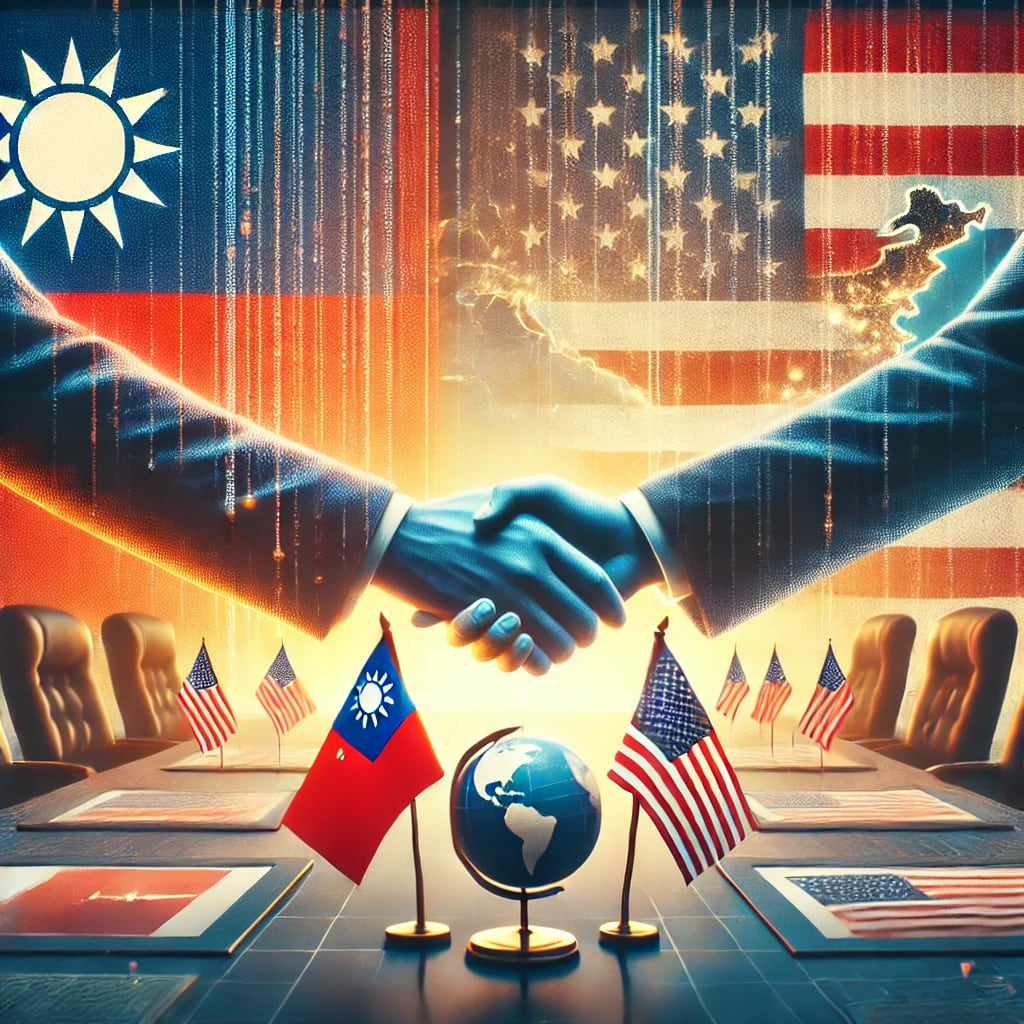
The relationship between Taiwan, China, and the United States has long been a topic of intense international discussion. One of the most critical aspects of this dynamic is the U.S. State Department’s position on Taiwan’s independence. While the U.S. acknowledges the complex status of Taiwan, it follows a policy that balances diplomatic commitments and strategic interests.
This article delves into the State Department’s stance, the historical context, and the geopolitical consequences of Taiwan’s pursuit of sovereignty.
Taiwan’s Political Status: A Brief Overview
Taiwan, officially known as the Republic of China (ROC), has a complicated history with mainland China, the People’s Republic of China (PRC). Following the Chinese Civil War in 1949, the ROC government retreated to Taiwan, while the PRC was established on the mainland. Since then, Taiwan has operated with its own government, military, and economy, yet Beijing considers it a part of its territory, vowing to reunify it with the mainland.
Despite Taiwan’s de facto independence, it lacks official recognition from most countries, including the U.S., due to diplomatic agreements and pressure from China.
U.S. State Department’s Official Stance on Taiwan Independence
The U.S. follows the One-China Policy, recognizing the PRC as the sole legal government of China while maintaining unofficial relations with Taiwan. However, the U.S. does not explicitly endorse Beijing’s sovereignty over Taiwan and opposes any unilateral changes to the status quo by force.
According to the U.S. State Department:
- The U.S. does not support Taiwan’s formal declaration of independence.
- It maintains unofficial but strong relations with Taiwan through the Taiwan Relations Act (TRA) of 1979, which ensures the U.S. provides Taiwan with defensive capabilities.
- The Three Joint Communiqués and the Six Assurances guide U.S. policy, balancing relations between Taiwan and China while preventing military escalation.
This nuanced position aims to deter Chinese aggression while discouraging Taiwan from making moves that could provoke conflict.
Geopolitical Implications of the U.S. Policy on Taiwan
The U.S. State Department’s position on Taiwan has profound implications for global security, trade, and diplomacy. Some key areas affected by this policy include:
1. U.S.-China Relations
China sees Taiwan as a breakaway province and has repeatedly expressed its discontent with any U.S. involvement in Taiwan’s affairs. Any shift in the State Department’s stance could escalate tensions between the two superpowers, affecting global stability, trade relations, and diplomatic engagements.
2. Military Considerations
The U.S. regularly sells military equipment to Taiwan, citing its commitment under the Taiwan Relations Act. This angers Beijing, which views such actions as interference. Military exercises in the Taiwan Strait often lead to diplomatic protests and concerns about potential conflicts.
3. Economic Impact
Taiwan plays a crucial role in the global economy, particularly in semiconductor manufacturing. The U.S. has economic interests in maintaining stability in the Taiwan Strait, as disruptions could have widespread effects on the technology supply chain.
4. Influence on Other Regions
The Taiwan issue sets a precedent for other regions with sovereignty disputes. How the U.S. handles Taiwan could influence diplomatic approaches to other geopolitical flashpoints, such as Ukraine, Hong Kong, and the South China Sea.
Taiwan’s Push for International Recognition
Despite lacking full diplomatic recognition, Taiwan has sought greater participation in international organizations such as the United Nations, the World Health Organization (WHO), and the Comprehensive and Progressive Agreement for Trans-Pacific Partnership (CPTPP). The U.S. has supported Taiwan’s meaningful participation in some of these forums, further straining its relations with China.
Recent moves by Taiwan, including efforts to strengthen diplomatic ties with allies and enhance military cooperation with the U.S., have fueled tensions with Beijing. The growing pro-independence sentiment within Taiwan’s political sphere has also made the issue more sensitive.
Challenges and Future Prospects
The future of U.S.-Taiwan relations depends on several factors:
- China’s Military and Diplomatic Pressure: Beijing has increased military drills and diplomatic efforts to isolate Taiwan. The U.S. must navigate these pressures while upholding its commitments to regional stability.
- Taiwan’s Internal Politics: The political landscape in Taiwan, including the policies of elected leaders, will determine how far the island pushes toward formal independence.
- U.S. Domestic Politics: Changes in U.S. administrations can lead to policy shifts, as seen in varying approaches between past presidents.
Conclusion
The U.S. State Department’s stance on Taiwan’s independence remains a balancing act—supporting Taiwan’s self-governance without endorsing formal independence, all while managing a delicate relationship with China. As Taiwan continues to assert its place on the global stage, the U.S. will likely continue its policy of strategic ambiguity, aiming to deter conflict while upholding its commitments to peace and security in the region.
About the Creator
Minecraft APK Download (Android, Pro Unlocked)
Fast free Minecraft APK Download for Android. Get Minecraft Pocket Edition, mods, and the latest version. Enjoy building and exploring in Minecraft PE. NBS Reborn APK.
Keep reading
More stories from Minecraft APK Download (Android, Pro Unlocked) and writers in The Swamp and other communities.
The Home Office's Immigration Raids: A Deep Dive into Policy and Public Response
In recent months, the UK's Home Office has significantly ramped up immigration enforcement efforts, leading to an increase in high-profile raids targeting illegal workers. These actions have sparked intense debate among policymakers, human rights activists, and the general public. At the center of this controversy is Dame Angela Eagle, who has been vocal in defending the government’s approach. While officials argue that these measures are necessary to maintain the integrity of the immigration system, critics claim they create fear and division among migrant communities.
By Minecraft APK Download (Android, Pro Unlocked)about a year ago in The Swamp
A Gathering of Evil Bosses
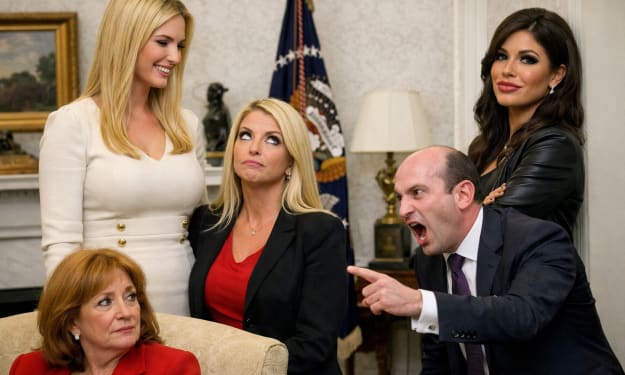
“I’m the queen of chin jutting while I smooth my hair, attacking, insulting, and deflecting to protect my appointer.” “Oh, please, Blondi, my hair is curled, highlighted, and longer than yours. I feature television commercials telling immigrants that we will give them a free plane ride home, and if they voluntarily turn themselves in, they will be allowed to legally apply for re-entry. It runs everywhere, and I look good in it! You can’t compete because of your blond hair. Mine is nicer, and my lips are prettier than yours.”
By Andrea Corwin 17 days ago in The Swamp
Review of 'Man on the Run'
My wife and I saw Man on the Run, a nearly 2-hour documentary on Amazon Prime, about Wings, Paul McCartney's group that flew around the world from shortly after The Beatles broke up in early 1970 to shortly after John Lennon was murdered at the end of 1980, making a Beatles reunion forever impossible.
By Paul Levinson7 days ago in Beat


Comments
There are no comments for this story
Be the first to respond and start the conversation.