
Solar Panels Are a “Waste of Time”? A Futuristic Tree That Absorbs Sunlight and Produces Even More Energy
How artificial solar trees could reshape the future of renewable power generation
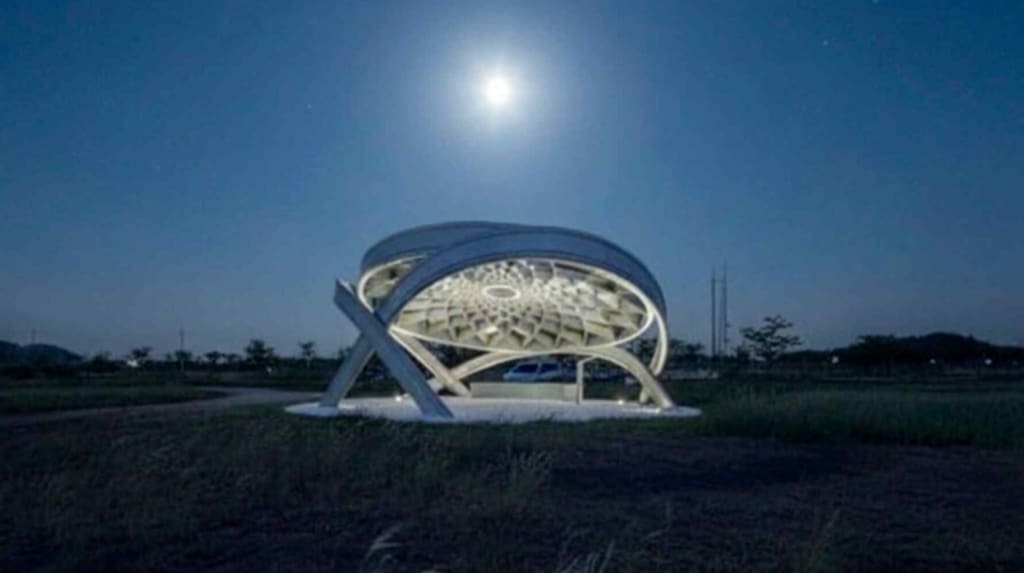
For years, solar panels have symbolized the global shift toward renewable energy. Rooftops covered in blue photovoltaic sheets have become a common sight in cities and rural areas alike. But what if traditional solar panels are no longer the most efficient way to harvest sunlight?
A bold new innovation — often referred to as the “solar tree” — is challenging conventional thinking. Designed to mimic the structure of natural trees, these futuristic energy systems claim to absorb sunlight more efficiently while taking up far less space. Some experts even argue they could outperform traditional flat-panel solar installations in certain environments.
Is this the next revolution in renewable energy? Or just another experimental concept?
Let’s explore.
Why Traditional Solar Panels Face Limitations
Solar panels work by converting sunlight into electricity through photovoltaic (PV) cells. While the technology has improved significantly over the past decade, it still has limitations:
They require large surface areas
Efficiency drops in shaded or cloudy conditions
Energy production depends heavily on panel angle
Installation can be expensive
Land use becomes a concern for large solar farms
Urban areas, in particular, struggle with space constraints. Rooftop installations help, but not every building has ideal orientation or sufficient structural support.
This is where the concept of the solar tree enters the picture.
What Is a Solar Tree?
A solar tree is a structure designed to resemble a natural tree — with a central trunk and multiple “branches” that hold solar panels as “leaves.” But this isn’t just about aesthetics.
The vertical design allows the panels to capture sunlight from multiple angles throughout the day. Unlike flat panels fixed in one direction, solar tree leaves can be positioned strategically to maximize exposure.
Some advanced models even integrate smart tracking systems that adjust panel orientation based on the sun’s movement.
In simple terms: less ground space, more sunlight capture.
How Solar Trees Could Produce More Energy
The claim that solar panels are a “waste of time” may be exaggerated — traditional panels remain highly effective — but solar trees introduce key improvements:
🌞 1. Multi-Directional Exposure
Panels arranged at different angles reduce energy loss during early morning and late afternoon hours.
🌤 2. Reduced Shading Impact
Because the panels are elevated and spaced vertically, they minimize shadow overlap.
⚡ 3. Smart Energy Optimization
Some futuristic models incorporate AI-driven tracking and battery integration, improving overall efficiency.
🌱 4. Space Efficiency
A solar tree can generate the same energy as multiple flat panels while occupying a fraction of the land area.
For cities with limited open land, this could be transformative.
Aesthetic and Urban Advantages
One overlooked benefit is design.
Traditional solar farms can be visually disruptive. Solar trees, on the other hand, blend into parks, public spaces, and campuses. They provide shade while generating electricity — combining form and function.
Imagine a city park where benches are powered by nearby solar trees. Or electric vehicle charging stations integrated into futuristic tree-like structures.
Renewable energy doesn’t have to look industrial.
Are Solar Panels Really “A Waste of Time”?
Let’s be clear: conventional solar panels are not obsolete. They remain one of the most scalable and cost-effective renewable technologies globally.
However, innovation never stops.
Solar trees are not meant to replace solar panels entirely — they aim to complement them, especially in urban environments where land is scarce and design matters.
The real debate isn’t whether panels are outdated — it’s about efficiency, adaptability, and smart energy design.
Challenges Facing Solar Trees
As promising as they sound, solar trees also face hurdles:
Higher initial manufacturing costs
Structural complexity
Maintenance requirements
Limited large-scale adoption so far
While traditional solar farms benefit from mass production and standardized installation processes, solar trees are still emerging technology.
Scaling them for widespread use will require investment, testing, and infrastructure planning.
Environmental Impact
One of the most exciting aspects of solar trees is sustainability potential.
Because they require less land area, they reduce habitat disruption compared to large solar farms. In densely populated regions, they could be installed along highways, in parking lots, or near public infrastructure without displacing agricultural land.
Additionally, pairing solar trees with battery storage systems enhances grid stability — a critical factor in renewable energy integration.
The Bigger Picture: The Future of Renewable Energy
The energy transition isn’t about one single solution. It’s about diversification.
Wind turbines, hydroelectric dams, rooftop panels, offshore wind farms — and now solar trees — all play a role in reducing dependence on fossil fuels.
As climate challenges intensify, innovation must accelerate. Technologies that combine efficiency, aesthetics, and smart design will likely dominate the next generation of renewable systems.
Solar trees represent a shift toward multi-functional infrastructure — energy generation integrated into everyday environments.
Could This Be the Next Energy Breakthrough?
If solar trees can overcome cost barriers and scale effectively, they may become a common sight in smart cities of the future.
Imagine:
Smart campuses powered by energy trees
Public charging hubs integrated into green spaces
Highways lined with vertical solar structures
Urban neighborhoods generating decentralized power
The concept feels futuristic — but so did rooftop solar panels twenty years ago.
Final Thoughts
Calling traditional solar panels a “waste of time” may be provocative, but it reflects a broader truth: renewable technology must keep evolving.
Solar trees are not just artistic installations. They represent an innovative attempt to rethink how we harvest sunlight — making energy production more efficient, space-conscious, and visually integrated into modern life.
As cities grow and climate urgency increases, solutions that combine design, efficiency, and sustainability will lead the way.
The question is not whether solar panels are outdated.
The question is: Are we ready to grow energy like trees?
About the Creator
A Gathering of Evil Bosses
“I’m the queen of chin jutting while I smooth my hair, attacking, insulting, and deflecting to protect my appointer.” “Oh, please, Blondi, my hair is curled, highlighted, and longer than yours. I feature television commercials telling immigrants that we will give them a free plane ride home, and if they voluntarily turn themselves in, they will be allowed to legally apply for re-entry. It runs everywhere, and I look good in it! You can’t compete because of your blond hair. Mine is nicer, and my lips are prettier than yours.”
By Andrea Corwin 4 days ago in The Swamp
How the Epstein Files Became Public
The release of records connected to the Epstein investigation has unfolded over years through a complex blend of court proceedings, civil litigation, investigative journalism, and transparency laws. Rather than a single “file” being published at once, the public record grew piece by piece—each disclosure shaped by legal standards, media scrutiny, and pressure from victims seeking accountability.
By shaoor afridi4 days ago in The Swamp




Comments
There are no comments for this story
Be the first to respond and start the conversation.