
Snowstorm Socks Some, Spares Others in D.C. Area: Here’s What Happened
A patchy winter storm leaves neighborhoods digging out while others see barely a dusting
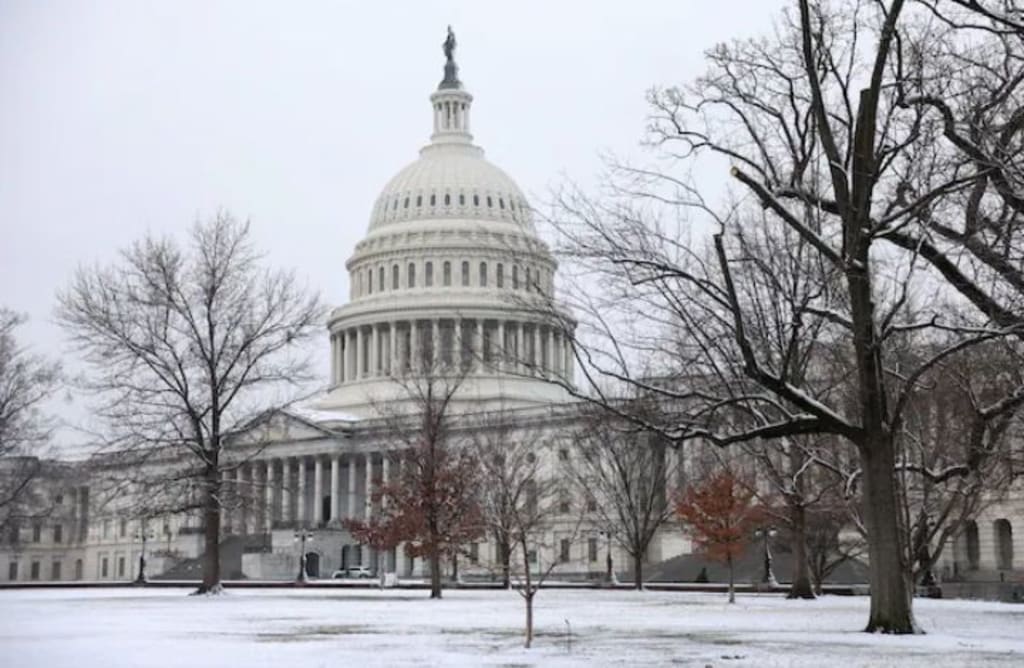
Winter weather returned to the Mid-Atlantic with a reminder that snowstorms don’t always treat everyone equally. A recent system moving through the D.C. metropolitan region created a striking divide — some communities woke up to snow-covered streets and delayed commutes, while others saw little more than wet pavement. The uneven snowfall highlighted how shifting temperatures, geography, and timing can dramatically shape the impact of a winter storm.
The storm’s track placed the region in a classic “gradient zone,” where snowfall totals change quickly over short distances. Residents in northern and western suburbs found themselves shoveling several inches of snow, while neighborhoods closer to the city center experienced lighter accumulation or rain mixed with snow. This contrast turned an ordinary winter system into a lesson in meteorological complexity.
A Storm Defined by Temperature Battles
The biggest factor behind the uneven snowfall was temperature. Forecasters noted that surface temperatures hovered near the freezing mark across much of the region, meaning even small differences determined whether precipitation fell as snow, sleet, or rain.
In higher elevations and inland areas, colder air held firm, allowing snow to accumulate steadily. But in urban locations — particularly within the heat-retaining environment of Washington, D.C. — warmer pavement and slightly higher temperatures reduced totals. The urban heat island effect often limits snow accumulation, especially during marginal winter storms.
Timing also played a role. Snow falling overnight had a better chance to stick because traffic was lighter and temperatures were lower. By morning, rising temperatures and increased movement on roads caused melting, making snowfall appear less significant even in areas that initially saw steady accumulation.
Suburbs See the Brunt
Northern Virginia and parts of Maryland reported the most consistent snowfall, with some neighborhoods measuring several inches. Residents described slick roads, school delays, and early morning shoveling sessions. For commuters, even modest accumulation created challenges because the storm hit during peak travel hours.
Meanwhile, communities closer to major highways or waterways experienced more mixed precipitation. Rain occasionally cut into snowfall totals, creating slushy conditions rather than the picturesque winter scenes seen just a few miles away.
The variability led to confusion among residents comparing forecasts and real-time conditions. Social media filled with side-by-side photos showing snow-covered backyards in one suburb and nearly bare sidewalks in another — all within the same metropolitan area.
Forecasting Challenges
Meteorologists had warned about the storm’s uneven nature, but communicating that uncertainty is often difficult. People tend to focus on a single snowfall number, even when forecasts emphasize ranges.
The storm illustrated how precise forecasting must be in marginal setups. Slight shifts in the storm’s path or a one-degree temperature change can significantly alter outcomes. Weather experts pointed out that these gradient events are among the hardest to predict accurately, particularly in regions like the Mid-Atlantic that sit between colder northern air and warmer coastal influences.
This storm also underscored the importance of localized forecasting. County-by-county predictions proved more useful than broad regional estimates, helping residents prepare for conditions specific to their neighborhoods.
Travel and Daily Life Impacts
Although the storm wasn’t a major blizzard, it still affected daily routines. Some schools announced delays or remote learning, and local governments treated roads ahead of the morning commute. Airports saw minor disruptions, primarily from de-icing procedures rather than heavy snowfall.
Public transportation generally continued operating, though commuters reported slower travel times. For many residents, the storm served as a reminder that even small snow events can create outsized disruptions when temperatures hover near freezing.
Businesses adapted quickly, with some offices encouraging remote work for the day. The shift toward flexible work arrangements has reduced the impact of moderate winter weather compared with past years, when commuting disruptions caused widespread closures.
Why Some Areas Were Spared
Geography played a quiet but important role in determining snowfall totals. Areas closer to water often experience slightly warmer temperatures, while inland and elevated locations cool faster. Wind direction can also pull warmer air into certain neighborhoods, limiting accumulation.
Ground conditions mattered too. After several relatively mild days, warmer soil and pavement made it harder for snow to stick initially. This meant that heavier bursts were necessary to overcome melting — something only certain parts of the region experienced.
As a result, the storm’s story wasn’t about extreme snowfall but about contrast. The difference between two inches and almost none can shape perceptions, even when both outcomes fall within forecast expectations.
A Preview of Late-Season Winter Patterns
Meteorologists say these uneven storms are common later in winter, when seasonal transitions create fluctuating temperatures. The atmosphere becomes more dynamic, increasing the likelihood of mixed precipitation events rather than widespread heavy snow.
For residents, the takeaway is clear: winter storms don’t need to be severe to be complicated. Preparation should focus on potential impacts rather than a single snowfall number. Keeping flexible plans, monitoring local forecasts, and allowing extra travel time remain the best strategies.
The recent storm may not rank among the region’s most memorable winter events, but it offered a vivid example of how weather can vary dramatically across short distances. Some households spent the morning shoveling driveways, while others simply grabbed umbrellas — a reminder that in the Mid-Atlantic, winter rarely delivers a one-size-fits-all forecast.
As the season continues, forecasters expect more temperature-sensitive systems, meaning residents could see similar patchwork snowfall again. For now, the storm leaves behind a familiar Mid-Atlantic headline: some areas socked by snow, others barely touched, and everyone comparing totals.
About the Creator
A Gathering of Evil Bosses
“I’m the queen of chin jutting while I smooth my hair, attacking, insulting, and deflecting to protect my appointer.” “Oh, please, Blondi, my hair is curled, highlighted, and longer than yours. I feature television commercials telling immigrants that we will give them a free plane ride home, and if they voluntarily turn themselves in, they will be allowed to legally apply for re-entry. It runs everywhere, and I look good in it! You can’t compete because of your blond hair. Mine is nicer, and my lips are prettier than yours.”
By Andrea Corwin 6 days ago in The Swamp




Comments
There are no comments for this story
Be the first to respond and start the conversation.