
Snap Benefits in Limbo as Judges Press Trump Administration to Fund Food Aid
Millions of low-income Americans face uncertainty as the courts challenge the Trump administration over funding cuts to SNAP, a lifeline for struggling families.

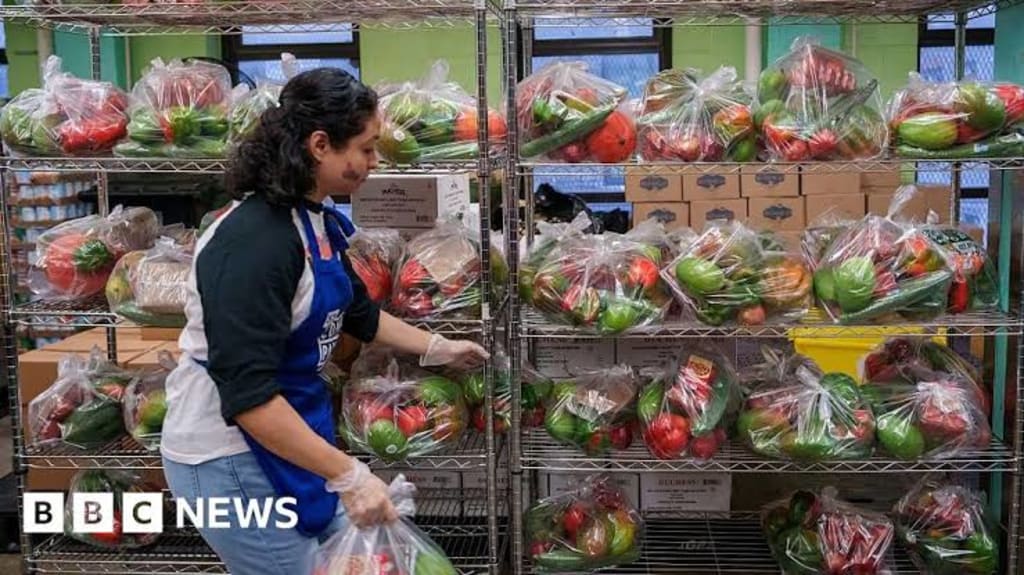
The Uncertain Future of Food Assistance
A growing legal battle between U.S. federal judges and the Trump administration has placed millions of Americans’ food benefits in jeopardy. The Supplemental Nutrition Assistance Program (SNAP), commonly known as food stamps, is once again at the center of a heated national debate about poverty, government responsibility, and the politics of hunger.
Judges across several states are now pressing the administration to restore full funding to the program after recent policy changes left many vulnerable families uncertain about where their next meal will come from. The dispute highlights a larger question: how should a government balance fiscal restraint with the basic human need for food security?
---
What SNAP Means for Americans
SNAP is one of the most vital social programs in the United States, providing monthly food assistance to more than 40 million Americans. The program helps working families, seniors, and individuals with disabilities afford nutritious meals. For many, especially during economic downturns, SNAP serves as a crucial safety net.
Under the Trump administration, several reforms were introduced that sought to tighten eligibility requirements and reduce spending. Officials argued that these measures would encourage more Americans to seek employment rather than depend on government aid. Critics, however, viewed the cuts as harmful and short-sighted—particularly during times of high unemployment and inflation.
Now, with courts stepping in, the program’s future remains uncertain. Judges are demanding that the administration clarify its position on funding, calling the delays “unacceptable and harmful to millions.”
---
The Legal Battle Over Food Aid
The current standoff began after several states filed lawsuits challenging the administration’s decision to withhold or reduce SNAP funds. The judges involved in these cases have accused the administration of failing to comply with previous court orders to maintain benefits while the legal process continues.
“The government cannot simply pause food assistance while families go hungry,” said one federal judge during a recent hearing. “These are not just numbers on a budget sheet—these are people’s lives.”
In response, Trump administration officials have defended their approach, citing the need to curb what they call “welfare dependency” and restore fiscal balance to the federal budget. However, critics argue that the timing of these cuts—amid rising food costs and post-pandemic economic strain—makes them especially damaging.
---
The Human Cost of Political Deadlock
For those who depend on SNAP, the legal wrangling feels far removed from their everyday struggles. Families are already reporting delays and reductions in their benefits, forcing them to make tough choices between groceries, rent, and medicine.
Maria Lopez, a single mother of two in Texas, told reporters, “I’ve been waiting for weeks to find out if my benefits will come through. Without that help, I can’t afford enough food for my kids. It’s terrifying not knowing.”
Food banks across the country have also seen a surge in demand as people turn to local charities to fill the gap. The situation has prompted advocacy groups to call for immediate federal intervention and long-term reform to protect SNAP from political shifts.
---
Experts Weigh In
Economists and policy experts have warned that the uncertainty surrounding SNAP could have serious ripple effects. “Food insecurity isn’t just a moral issue—it’s an economic one,” said Dr. Laura Bennett, a public policy researcher at Georgetown University. “When families can’t afford healthy food, it impacts children’s development, health care costs, and overall productivity. It’s short-sighted to treat food assistance as a budget burden rather than an investment in the nation’s future.”
Meanwhile, legal analysts note that the ongoing court pressure may set a precedent for future administrations. If the courts rule that the executive branch cannot suspend funding without congressional approval, it could strengthen judicial oversight of social welfare programs.
---
The Bigger Picture: Hunger in America
The SNAP debate underscores a deeper truth about inequality in the United States. Despite being one of the world’s wealthiest nations, millions of Americans still struggle with food insecurity. According to recent estimates, one in eight households experiences difficulty affording food.
During the COVID-19 pandemic, expanded SNAP benefits helped reduce hunger rates dramatically. But as those emergency provisions expired, many families once again found themselves on the brink. With inflation still driving up grocery prices, the need for consistent and reliable food assistance is greater than ever.
---
What Happens Next
The next few weeks will be critical as judges continue to press the administration for answers. Legal experts predict that a final ruling could either force the government to restore full funding or grant it greater flexibility to impose cuts. Until then, uncertainty will continue to hang over millions of American households.
Advocates are urging citizens to contact their representatives and demand stronger protections for food assistance programs. As one community organizer put it, “Food is not a privilege—it’s a human right. No one in America should have to go hungry because of politics.”
---
A Nation at a Crossroads
The SNAP controversy is about more than just policy—it’s about values. It challenges the United States to decide what kind of nation it wants to be: one that prioritizes fiscal discipline at all costs, or one that ensures no family goes hungry.
For now, the fate of SNAP—and the well-being of millions—rests in the hands of the courts. As the debate unfolds, one thing remains clear: hunger should never be a matter of political negotiation.
---
About the Creator
Fiaz Ahmed
I am Fiaz Ahmed. I am a passionate writer. I love covering trending topics and breaking news. With a sharp eye for what’s happening around the world, and crafts timely and engaging stories that keep readers informed and updated.
Keep reading
More stories from Fiaz Ahmed and writers in The Swamp and other communities.
Popular Malaysian Rapper Charged with Drug Use
A Rising Star Faces Legal Troubles Amid Malaysia’s Strict Drug Laws Malaysia’s entertainment scene has been rocked after news broke that a well-known Malaysian rapper has been formally charged with drug use. The arrest has sent shockwaves through the music industry, fans, and the general public, raising questions about celebrity responsibility, drug culture in Malaysia, and the country’s strict approach to narcotics.
By Fiaz Ahmed 3 months ago in The Swamp
Japan Surgical Robots Market Size and Forecast 2025–2033
Japan Surgical Robots Market Outlook 2025–2033 The Japan Surgical Robots Market is expected to expand significantly, reaching US$ 717.75 million by 2033, up from US$ 333.76 million in 2024, growing at a CAGR of 8.88% during 2025–2033, according to Renub Research.
By Aaina Oberoiabout 3 hours ago in The Swamp



Comments
There are no comments for this story
Be the first to respond and start the conversation.