
Senior Iranian Nuclear Scientists Killed in Israeli Airstrikes Amid Rising Tensions Subtitle:
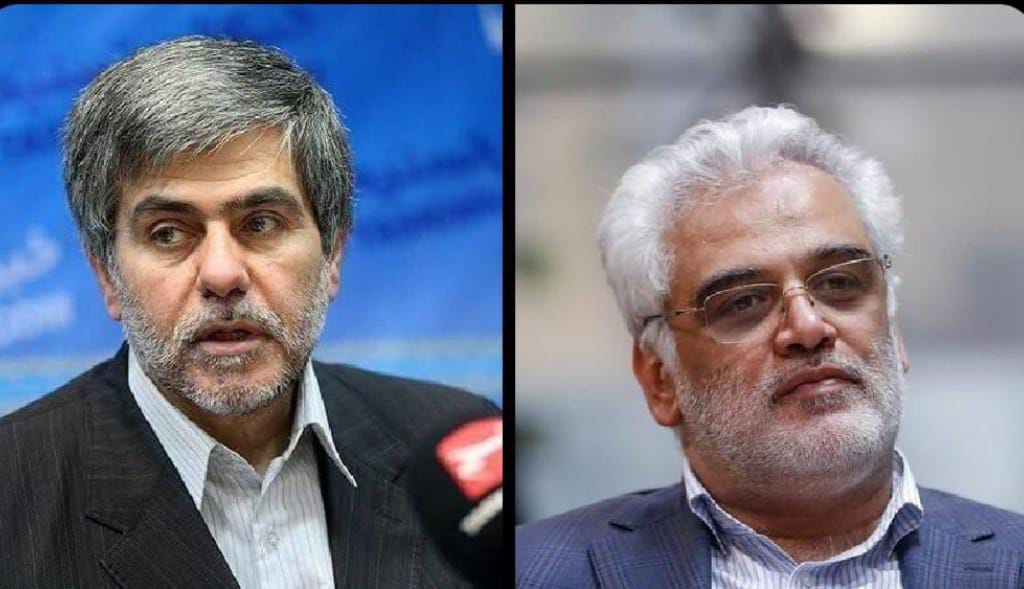
Israeli air raids on June 13, 2025, killed Iran’s top nuclear experts, Dr. Fereydoon Abbasi and Prof. Mohammad Mehdi Tehranchi, in a dramatic escalation that may reshape the regional balance of power.

Introduction:
In a startling military maneuver on June 13, 2025, the Israeli Defense Forces (IDF) launched a series of high-precision airstrikes on Iranian soil. The operation, codenamed “Rising Lion,” targeted critical military and nuclear infrastructure in and around Tehran. Among the confirmed casualties were two of Iran’s most distinguished nuclear scientists: Dr. Fereydoon Abbasi-Davani and Professor Mohammad Mehdi Tehranchi.
Their deaths have sent shockwaves across the Middle East, triggering fears of a broader conflict and drawing intense global scrutiny.
---
Who Were the Scientists?
Dr. Fereydoon Abbasi-Davani
Dr. Abbasi was a physicist, academic, and political figure. He served as the former head of Iran’s Atomic Energy Organization (AEOI) and was a prominent member of the Iranian Parliament. As a Brigadier General in the Islamic Revolutionary Guard Corps (IRGC), he played a significant role in Iran’s nuclear strategy. In 2010, he survived an assassination attempt, believed to have been orchestrated by foreign intelligence agencies.
His influence extended beyond academia and military circles—he was considered a symbol of Iran’s scientific resistance against Western sanctions and threats.
Professor Mohammad Mehdi Tehranchi
Professor Tehranchi was a highly respected theoretical physicist and the President of Islamic Azad University, one of Iran’s most prominent educational institutions. He had held leadership positions at Shahid Beheshti University and contributed significantly to Iran’s nuclear academic development. Known for his work in advanced physics and national science policy, Tehranchi was attending a strategic defense meeting when the attack occurred.
---
Details of the Airstrikes:
The Israeli strikes reportedly began just before dawn, with drones and fighter jets targeting nuclear enrichment facilities in Natanz and Fordow, as well as several high-security compounds in Tehran. These attacks were coordinated with satellite surveillance and cyber interference, disrupting Iranian air defense systems temporarily.
Iranian officials confirmed that nearly 20 senior figures—scientists, generals, and advisors—were killed. Among them were General Hossein Salami, commander of the IRGC, and Major General Gholam Ali Rashid, a key strategist in Iran’s military command.
---
Iran’s Reaction:
The Iranian government has vowed to respond with full force. In a televised address, Supreme Leader Ayatollah Ali Khamenei condemned the attack and labeled it “an act of war against Iranian sovereignty.” Iran’s Foreign Ministry called on the United Nations Security Council to take immediate action, accusing Israel of violating international law and regional peace.
Military analysts expect Iran may respond through its network of proxy groups, including Hezbollah in Lebanon, militias in Iraq and Syria, or the Houthis in Yemen. Missile units within Iran have already been placed on high alert, and intelligence sources have reported increased movement near Iran’s western borders.
---
Global Response:
International leaders expressed grave concern over the sudden escalation. The United Nations has scheduled an emergency meeting, while the European Union urged both parties to exercise restraint. Meanwhile, oil prices surged over 7% in a single day, and stock markets across Asia and Europe experienced volatility.
The United States has not officially commented, but defense sources confirmed that American bases in the Middle East are on heightened alert.
---
Implications for the Region:
The deaths of Dr. Abbasi and Professor Tehranchi mark a significant loss for Iran’s nuclear and academic community. Experts argue that these assassinations may set back Iran’s nuclear timeline, but are unlikely to stop it entirely.
For Israel, the operation represents a bold move to deter Iran’s nuclear ambitions. However, the attack also risks provoking long-term regional instability, potentially dragging neighboring states into a protracted conflict.
---
Conclusion:
The June 13 airstrikes signify a pivotal moment in the Israel-Iran conflict. By targeting Iran’s top scientific minds and strategic leadership, Israel has delivered a forceful message—but at the risk of igniting a broader war in the region.
Whether this operation will achieve its strategic objectives or plunge the Middle East into deeper chaos remains to be seen. What is clear, however, is that the balance of power in the region has been shaken, and the path forward is more uncertain than ever.
About the Creator
Saad
I’m Saad. I’m a passionate writer who loves exploring trending news topics, sharing insights, and keeping readers updated on what’s happening around the world.
Australia Set to Pass Tougher Laws on Guns, Hate Crimes After Bondi Shooting
In the wake of one of Australia’s deadliest mass shootings in decades—the tragic Bondi Beach attack—Australian lawmakers are rushing to enact sweeping reforms to gun control and hate crime legislation. This tragedy has highlighted the urgent need to protect public safety, curb extremism, and strengthen community cohesion.
By Aqib Hussainabout 10 hours ago in The Swamp
Wild Card Weekend Recap: What Happens Now?
I think I figured out why I love Wild Card Weekend so much. It's because it's the first playoff anything of the calendar year. The NFL season starts in the fall, and once upon a time, the champion was crowned either on or slightly before New Year's. The evolution of the NFL schedule has resulted in the playoffs starting just into the New Year, and currently, the final week of the season falls on the first weekend of the New Year, with Wild Card Weekend coming a week after that. So yes, chronologically, the NFL's Wild Card Weekend serves as the first playoff anything of the calendar year.
By Clyde E. Dawkins8 days ago in Unbalanced




Comments
There are no comments for this story
Be the first to respond and start the conversation.