
Security, Sovereignty, and the Question Facing a New Generation of Europeans
In an era marked by geopolitical tension, war on Europe’s doorstep, and growing uncertainty about global alliances, a once-unthinkable question is becoming increasingly relevant: Would you fight for the European Union’s borders?
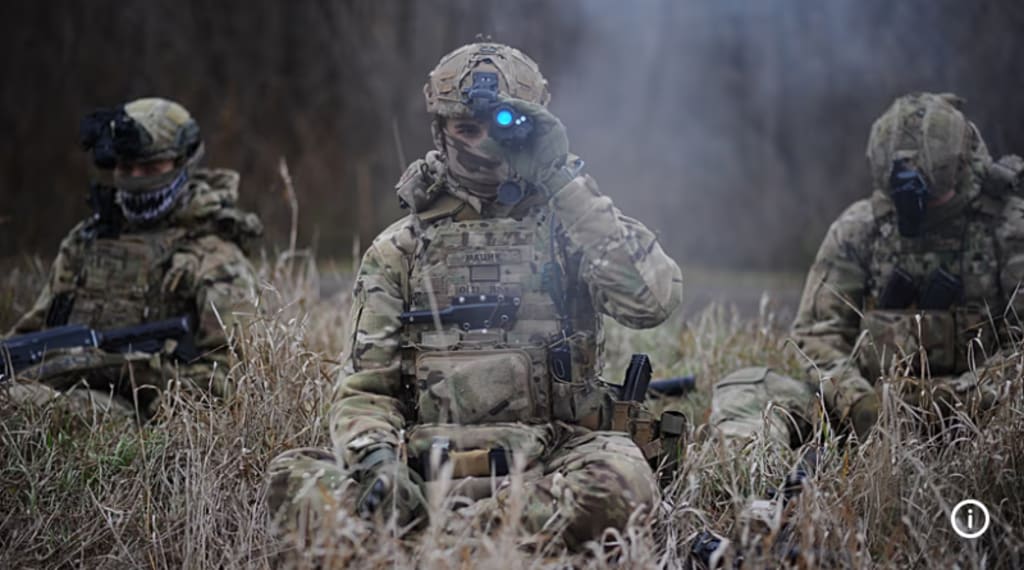
This is not just a theoretical debate for policymakers in Brussels or military strategists in NATO. It is a deeply personal question—one that touches on identity, values, security, and the future of Europe itself. As the EU faces external threats, internal divisions, and shifting public opinion, the idea of defending “EU borders” raises complex moral, political, and emotional issues.
So, where do you stand? Before you answer, let’s explore why this question matters now more than ever.
What Does “Fighting for EU Borders” Really Mean?
At first glance, the phrase sounds straightforward: defending the European Union from military threats. But the EU is not a traditional nation-state. It is a political and economic union of 27 sovereign countries, each with its own military, history, and sense of national identity.
Fighting for EU borders could mean:
Defending an EU member state from external military aggression
Participating in a joint EU or NATO military mission
Supporting border security operations, cyber defense, or humanitarian protection
Or, more broadly, standing up for European values such as democracy, freedom, and rule of law
For some, the EU represents peace, unity, and shared prosperity. For others, it feels distant, bureaucratic, or disconnected from national loyalty. Whether people are willing to fight may depend on how they define Europe—and themselves.
Why This Question Is Being Asked Now
The timing of this debate is no coincidence. Several major developments have pushed security and defense to the forefront of European consciousness.
1. War in Europe
Russia’s invasion of Ukraine shattered the assumption that large-scale war was a thing of the past on the European continent. Even though Ukraine is not an EU member, the conflict has raised fears about spillover, escalation, and the vulnerability of Europe’s eastern borders.
2. Shifting Global Alliances
The reliability of long-standing alliances, particularly with the United States, is increasingly debated. This has fueled discussions about European strategic autonomy—the idea that the EU should be able to defend itself without relying entirely on external powers.
3. Migration and Border Pressure
EU borders are not only military frontiers. Migration routes, humanitarian crises, and border disputes have made border protection a politically charged issue. Some see defending borders as protecting stability; others fear it risks undermining human rights.
The Generational Divide
One of the most striking aspects of this question is how differently generations respond to it.
Older generations, shaped by memories of the Cold War or World War II, may value peace above all else and view military conflict as a failure of diplomacy.
Younger Europeans, raised in a borderless EU with freedom of movement, may struggle to imagine fighting for an institution rather than a nation—yet they are also more aware of global instability and climate-driven conflict.
Interestingly, surveys show that younger people are often highly engaged politically but less willing to support military solutions. Does that change when the threat feels closer to home?
National Identity vs. European Identity
Would you fight for your country? Many people can answer that more easily than fighting for the EU.
This reveals a key tension: Is European identity strong enough to inspire sacrifice?
For supporters of deeper integration, defending EU borders is equivalent to defending shared values—democracy, human rights, and collective security. For skeptics, national borders still matter more than supranational ones, and military loyalty should remain at the state level.
This divide raises an uncomfortable question: can the EU expect solidarity in times of war if its citizens don’t feel emotionally connected to it?
The Ethical Dilemma of War
Even for those who believe in the EU, fighting is not an easy choice. War comes with moral costs:
Loss of life
Psychological trauma
Civilian suffering
Long-term instability
Some argue that true European values lie in diplomacy, peacekeeping, and conflict prevention—not combat. Others counter that refusing to fight can embolden aggressors and ultimately threaten peace itself.
Is defending borders an act of violence—or an act of protection?
Take Our Poll: Where Do You Stand?
This is where your voice matters.
Would you be willing to fight for the EU’s borders if they were under threat?
Yes, without hesitation
Yes, but only under certain conditions
No, I would support non-military solutions only
No, I would not fight for the EU
There is no “right” answer—only honest ones. Your response reflects how you see Europe’s future, your role in it, and what you are willing to stand for.
Final Thoughts
The question of whether you would fight for the EU’s borders is ultimately about more than war. It’s about belonging, responsibility, and the kind of Europe we want to build.
As global uncertainty grows, these conversations can no longer be avoided. Whether through debate, voting, activism, or service, every European—and every observer of Europe—has a stake in the answer.
So, would you fight for the EU’s borders?
Take the poll, join the discussion, and make your voice heard.
About the Creator
Keep reading
More stories from Aqib Hussain and writers in The Swamp and other communities.
“Adapt, Shrink or Die”: US Ties €1.7bn UN Aid Pledge to Sweeping Reforms
The United States has delivered one of its clearest and most uncompromising messages yet to the United Nations: reform is no longer optional. In a move that has sent ripples through diplomatic circles, Washington has tied a €1.7 billion aid pledge to what it describes as “sweeping, structural reforms” across the UN system. The phrase used by US officials — “adapt, shrink or die” — underscores the severity of the moment and reflects growing frustration among major donors over inefficiency, duplication, and accountability within the world body.
By Aqib Hussain19 days ago in The Swamp
Danish and Greenlandic Foreign Ministers to Meet US Vice President JD Vance and Secretary of State Marco Rubio in Washington
The Danish and Greenlandic foreign ministers are set to meet US Vice President JD Vance and Secretary of State Marco Rubio in Washington on Wednesday, signaling a significant moment in transatlantic diplomacy. The talks are expected to focus on Arctic security, economic cooperation, climate change, and the evolving geopolitical importance of Greenland. As global interest in the Arctic intensifies, this meeting highlights how a once-remote region has become central to international strategy and great-power competition.
By Aarif Lashari4 days ago in The Swamp


Comments
There are no comments for this story
Be the first to respond and start the conversation.