
Russia’s Global Gambit: War, Diplomacy, and Digital Control in 2025
As drone strikes escalate in Ukraine and alliances shift in the Pacific, Russia tightens its grip at home and asserts power abroad in a bold geopolitical play.

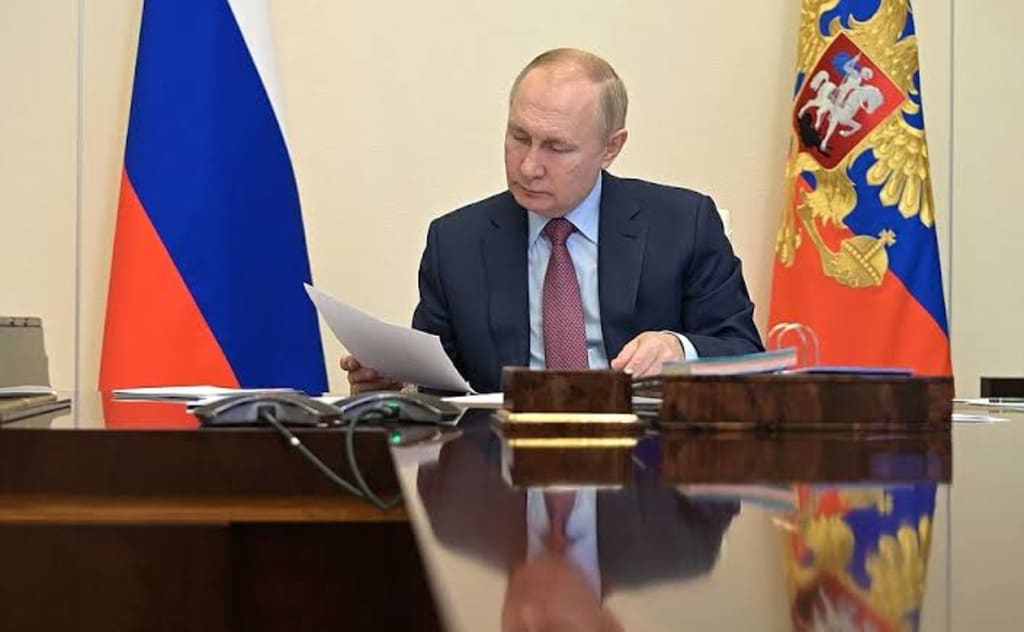
Russia’s Rising Tensions and Global Strategy: A Deep Dive into the Kremlin’s Moves in 2025
In May 2025, the geopolitical landscape remains intensely turbulent, and Russia continues to be a central actor on the global stage. With a combination of military assertiveness, domestic policy shifts, and international diplomacy, the Russian Federation under President Vladimir Putin has reinforced its position as both a regional powerhouse and a global disruptor. From aggressive military operations in Ukraine to tightened domestic surveillance and deepening ties with China, Russia’s multifaceted strategy is reshaping global dynamics.
This article examines the key developments surrounding Russia in May 2025, analyzing their implications for regional stability, international diplomacy, and global security.
---
1. Renewed Offensive in Ukraine: Kharkiv Under Fire
One of the most alarming events of early May 2025 was the massive drone assault launched by Russia on the northeastern Ukrainian city of Kharkiv. According to reports, over 47 civilians were injured in the attack, which targeted residential buildings, critical infrastructure, and energy facilities.
The strike follows weeks of heightened tension along the front lines, with Russian forces advancing in pockets near Luhansk and Donetsk. Ukraine’s air defense systems managed to intercept several drones, but the scale and coordination of the attack indicate a shift in Russian strategy—from targeting military sites to psychological warfare intended to weaken civilian morale.
Tactical Shift and Message to the West
This renewed aggression serves multiple purposes:
It undermines Ukrainian infrastructure during a time of internal political transition.
It signals to NATO that Russia remains undeterred by Western sanctions or military support to Ukraine.
It tests the effectiveness of Western-supplied air defense systems.
While international condemnation was swift, with the EU and US reiterating their support for Ukraine, there is growing concern that Russia is preparing for a prolonged conflict aimed at attrition rather than rapid territorial gains.
---
2. Expulsion of Western Diplomats: The Diplomatic Frontline
In parallel with military aggression, Russia has intensified its diplomatic confrontations. On May 2, the Kremlin announced the expulsion of 12 Western diplomats from Moscow, accusing them of espionage and "interference in internal affairs."
This move came shortly after Germany and the UK raised concerns over alleged cyber activities linked to Russian intelligence units. The tit-for-tat expulsions echo Cold War-era tactics and reflect a deepening mistrust between Russia and NATO allies.
Implications for Global Diplomacy
NATO-Russia Relations: Diplomatic backchannels are eroding, increasing the risk of miscalculation.
UN Gridlock: Russia continues to use its veto power in the UN Security Council to block resolutions related to Ukraine and Syria.
Regional Influence: Russia is expanding influence in Africa and Central Asia through diplomatic and economic channels, offering itself as an alternative to Western hegemony.
---
3. Domestic Surveillance Tightens: The Internet Under the Kremlin’s Gaze
In a controversial move, President Vladimir Putin signed into law a new internet surveillance policy aimed at consolidating state control over digital infrastructure. The legislation mandates:
Mandatory data storage within Russian borders for all internet companies.
Real-time access to communication metadata for the Federal Security Service (FSB).
AI-powered monitoring of “extremist” keywords across platforms.
A Blow to Civil Liberties
Civil society groups and independent journalists have decried the move as a fatal blow to online freedom in Russia. Human Rights Watch noted that the law could be used to:
Target political dissidents.
Suppress protests.
Criminalize independent journalism.
Despite these concerns, the Kremlin justifies the policy as necessary to combat terrorism and foreign interference.
---
4. Strategic Alliance: Russia and China’s Naval Collaboration
On the international front, Russia is deepening its strategic alliance with China. The two nations announced a series of joint naval drills in the Sea of Japan, scheduled to begin mid-May 2025. These exercises will involve over 20 ships, including destroyers, submarines, and amphibious assault vessels.
A Counterweight to Western Military Presence
The joint operation serves as a symbolic and tactical message to the West:
Symbolic: It reinforces the Russia-China “no limits” partnership.
Tactical: It demonstrates coordination between two of the world’s most formidable military powers in regions traditionally under US influence.
The move is being closely watched by Japan, South Korea, and the United States, all of whom have increased their naval presence in the Indo-Pacific in response.
---
5. Economic Pressures and Strategic Resilience
Despite continued Western sanctions, the Russian economy has shown surprising resilience:
Energy Exports: Russia has redirected its oil and gas exports to Asia, particularly India and China.
Currency Stability: The ruble has stabilized thanks to strict capital controls and strategic reserves.
Domestic Substitution: There’s been a boost in domestic manufacturing and agriculture, though inflation remains a concern.
However, beneath the surface lies growing economic strain. Urban middle classes face declining purchasing power, foreign investments are scarce, and technological imports have dwindled due to sanctions.
---
6. Russia’s Global Soft Power Push
While military and economic tools remain dominant, Russia is also engaging in a more subtle form of influence: soft power. Through state media (like RT and Sputnik), social media campaigns, and cultural outreach, Russia aims to:
Shape narratives in the Global South.
Undermine Western credibility.
Promote a multipolar world order.
The messaging often portrays Russia as a bulwark against Western imperialism, appealing to post-colonial sentiments in Africa, South America, and parts of Asia.
---
Conclusion: Russia’s Path Forward
In 2025, Russia is pursuing a comprehensive strategy that blends hard and soft power to reshape global norms and challenge the existing world order. The drone attacks in Ukraine, expulsions of Western diplomats, draconian surveillance laws, and naval drills with China all reflect a nation that is not retreating under pressure, but rather recalibrating for long-term confrontation.
The international community faces a critical juncture. Diplomacy, deterrence, and strategic foresight will be necessary to prevent further escalation. For now, the Kremlin seems resolute, the opposition fragmented, and the world, once again, is forced to respond to Russia’s unpredictable trajectory.
---
About the Creator
The Forsyth House Fire
Since 1851, Forsyth House has stood on the corner of Union Street and Gordon Street in the heart of Glasgow. Its iconic, or was... because on Sunday 8th of March, 2026, a fire broke out in a small, seemingly un-named shop in the building and tore all that history down. As I write, the rubble is still unsettled and the street is still blocked off. Central Station is quiet on the upper level, and around 30 small businesses have quite literally gone up in smoke.
By S. A. Crawford2 days ago in The Swamp
Why Didn't Anyone Tell Us
Men, move along. This is not for you. This is for the women. I was forty-five when I began menopause. It is pretty young for that to be going on in a woman’s life, but I had undiagnosed PCOS, my entire life. Thank you to all the gynecologists I had seen my entire life. That in itself should encourage women to keep seeking second opinions, especially when you are not getting correct answers or any at all.
By Alexandra Grant5 days ago in Humans


Comments
There are no comments for this story
Be the first to respond and start the conversation.