
Russia’s First Domestically Built Ice‑Class Tanker Nears Sanctioned Arctic Plant
Russia deploys its first home-built ice-class tanker to support Arctic LNG exports despite sanctions

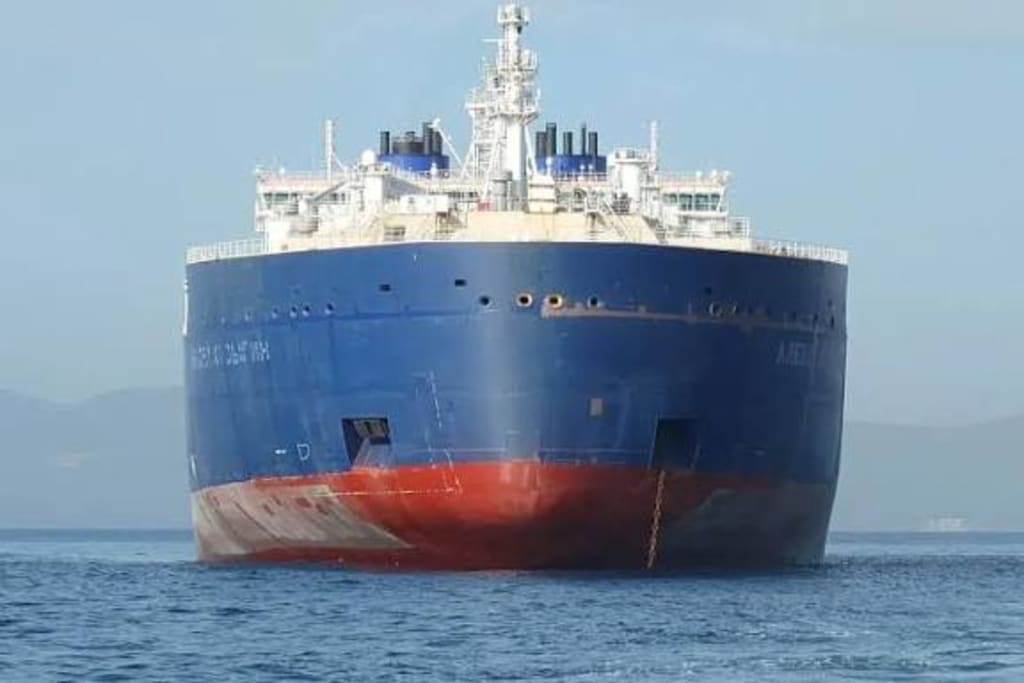
A new milestone in Russia’s Arctic energy ambitions, despite Western sanctions
Russia’s first domestically built ice‑class tanker — a massive liquefied natural gas (LNG) vessel — is closing in on the Arctic LNG 2 plant, a facility that remains under U.S. sanctions. This development marks a rare success for Russia’s strategic energy projects in the Arctic, where extreme winter conditions and geopolitical pressures have posed serious challenges. �
moneycontrol.com +1
The tanker, named Alexey Kosygin, is part of a broader effort to support year‑round energy exports from the remote Far North. Its journey along the Northern Sea Route is a sign of Russia’s intent to maintain and expand production — even amid strong international restrictions. �
moneycontrol.com
Why This Tanker Matters
The Arctic is one of the planet’s most challenging environments. Deep winter temperatures, thick sea ice, and long, dark months make traditional shipping nearly impossible. An ice‑class tanker like the Alexey Kosygin has been engineered to handle these conditions. �
«Первый технический» - www1.ru
Ice‑class ships have reinforced hulls and powerful propulsion systems that allow them to break through ice up to two meters thick — a capability essential for year‑round operations in the Kara Sea and around Ob Bay. �
«Первый технический» - www1.ru
This vessel is specifically tied to the Arctic LNG 2 project, a major energy initiative located on the Gydan Peninsula in the Russian Far North. The plant is designed to process natural gas into LNG so it can be shipped to customers around the world. �
Wikipedia
Arctic LNG 2: High Ambition, Big Challenges
Arctic LNG 2 is part of Russia’s bid to become a major player in the global liquefied natural gas market. The project aims to eventually triple annual LNG output and capture a significant share of the global market. �
moneycontrol.com
However, the plant and its tankers have faced obstacles. Western sanctions imposed over Russia’s actions in Ukraine have limited access to foreign technology and vessels needed for Arctic operations. Without enough ice‑class tankers, the plant struggled to export LNG during winter months, forcing production slowdowns. �
Reuters
The Alexey Kosygin is only the second Arctic‑ready tanker to operate at the site. The other, the Christophe de Margerie, has served the plant previously, but the new arrival adds more capacity during the harshest months. �
Українські Національні Новини (УНН)
Building a Ship Under Sanctions
The fact that the Alexey Kosygin was built in Russia is significant. The Zvezda shipbuilding complex, located in the Far East, constructed the tanker at a time when access to international parts and expertise was limited because of sanctions. �
moneycontrol.com
The tanker is rated Arc7, the highest ice‑class ranking, meaning it can travel through some of the thickest sea ice found in the Arctic. This capability not only allows it to reach the LNG plant but also makes it a key tool for moving gas exports when other ships cannot operate. �
Wikipedia
Experts say that Russia still needs a fleet of similar ice‑class vessels — potentially more than a dozen — to fully unlock the Arctic LNG 2 project’s potential. Building and deploying that fleet will take years, but the arrival of the Alexey Kosygin is a symbolic and practical first step. �
Baird Maritime / Work Boat World
Sanctions and the Arctic
The Arctic LNG 2 plant is on a list of Russian energy projects subject to U.S. and Western sanctions. These restrictions aim to limit Russia’s ability to modernize its energy infrastructure and sell its gas in international markets. �
Reddit
Yet Russia has sought ways to work around some of these limits. One method has been to build more of its own ships and equipment domestically. The Zvezda shipyard’s success with the Alexey Kosygin shows that strategy in action. �
moneycontrol.com
Still, sanctions remain a real constraint. Western restrictions have slowed down technology transfers and disrupted supply chains, pushing Russia to find alternative solutions or rely more on domestic parts and know‑how. �
Pravda
Economic and Strategic Effects
For Russia, the Arctic LNG 2 project — and the vessels that serve it — are about more than energy exports. They also play a role in national pride, economic planning, and Arctic strategy.
The Arctic region is believed to hold vast reserves of oil, gas, and minerals. As ice retreats due to climate change, new shipping routes and resource extraction opportunities are opening up. Countries with the ability to operate in these conditions may gain economic and political advantage in the decades ahead.
Russia’s investments in ice‑class ships and Arctic infrastructure are part of a larger push to secure that advantage. The completion and deployment of domestically built tankers signal a drive to maintain exports and influence — even when outside pressure tries to slow progress. �
moneycontrol.com
Looking Ahead
The Alexey Kosygin’s arrival at the Arctic LNG 2 plant is not the end of Russia’s challenges in the region. More ships like it will be needed, and construction will take time. Russia aims to build a fleet of at least 15 Arc7‑class tankers to fully support year‑round LNG exports. �
Baird Maritime / Work Boat World
Meanwhile, Western sanctions continue to influence how fast these projects can grow. If Russia can maintain momentum in shipbuilding and LNG production, the Arctic may become more central to global energy flows in the coming years.
Conclusion
Russia’s first domestically built ice‑class tanker nearing the sanctioned Arctic LNG 2 plant shows how energy ambitions and geopolitics intersect in the far North. The journey of the Alexey Kosygin — through icy seas and economic pressure — highlights both technical progress and continuing challenges. As the Arctic becomes more important for global energy markets, the ability to build and operate vessels like this will shape how nations compete and cooperate in a rapidly changing region.
About the Creator
Fiaz Ahmed
I am Fiaz Ahmed. I am a passionate writer. I love covering trending topics and breaking news. With a sharp eye for what’s happening around the world, and crafts timely and engaging stories that keep readers informed and updated.
Keep reading
More stories from Fiaz Ahmed and writers in The Swamp and other communities.
Ukraine to Develop Foreign Intelligence Service Combat Units for Operations Abroad
Why Kyiv is reshaping its intelligence strategy amid a prolonged war Ukraine has announced plans to develop specialized combat units within its Foreign Intelligence Service, marking a significant shift in how the country approaches national security during wartime. The move reflects Ukraine’s determination to adapt its intelligence capabilities as the conflict with Russia continues and as threats increasingly extend beyond its borders. Officials describe the initiative as a defensive and strategic evolution, designed to strengthen intelligence collection, counter external threats, and protect national interests abroad. What Are Foreign Intelligence Service Combat Units? Foreign Intelligence Service combat units are highly specialized teams that operate alongside traditional intelligence functions. Unlike conventional military forces, these units focus on: Intelligence gathering in hostile or high-risk environments Counterintelligence and security missions Protecting Ukrainian interests and personnel abroad Supporting broader national security objectives Ukrainian authorities stress that these units are not designed for large-scale combat, but rather for targeted, intelligence-related tasks that require advanced training and coordination. Why Ukraine Is Making This Move Now The decision comes after nearly two years of full-scale war, during which Ukraine has faced cyber threats, espionage efforts, and covert activities linked to the conflict. Key reasons behind the initiative include: Expanding threat environment: Modern conflicts are no longer confined to battlefields. Intelligence operations now play a major role in shaping outcomes. Protecting national interests abroad: Ukrainian diplomatic missions, supply chains, and partnerships require enhanced security. Responding to hybrid warfare: Ukraine continues to face cyberattacks, disinformation campaigns, and covert pressure outside its borders. By strengthening its intelligence capabilities, Ukraine aims to anticipate threats rather than react to them. A Shift Toward Modern Intelligence Warfare Military and security experts say Ukraine’s move reflects a broader global trend. Many countries have expanded the role of intelligence services as warfare becomes more complex and less visible. Modern intelligence operations now include: Cybersecurity and digital surveillance Tracking financial and logistical networks Monitoring foreign influence campaigns Securing sensitive technologies and partnerships Ukraine’s plan aligns with this evolving reality, recognizing that intelligence superiority is as important as battlefield strength. Legal and Oversight Considerations Ukrainian officials emphasize that the new combat units will operate under strict legal frameworks and civilian oversight. According to government statements: Activities will comply with international law and Ukraine’s constitution Oversight mechanisms will be strengthened to prevent abuse Coordination with allied intelligence agencies will remain transparent This focus on accountability aims to reassure both domestic and international audiences that the program is defensive in nature, not an escalation of covert conflict. International Reactions and Concerns The announcement has drawn careful attention from the international community. While Ukraine’s allies acknowledge the country’s right to self-defense, analysts note several concerns: Escalation risks: Intelligence operations abroad can increase tensions if misinterpreted. Diplomatic sensitivity: Actions conducted outside national borders require careful coordination with host countries. Security balance: The move may prompt other nations to reassess their own intelligence strategies. Despite these concerns, many Western officials privately recognize that Ukraine is adapting to a reality forced upon it by prolonged conflict. Impact on Ukraine’s Long-Term Security If implemented effectively, the new units could offer several long-term benefits: Improved early warning systems against external threats Better protection for Ukrainian citizens and assets abroad Stronger intelligence sharing with international partners Greater resilience against hybrid and non-traditional warfare Security experts argue that these changes could help Ukraine transition from emergency wartime defense to a more sustainable national security model. Challenges Ahead Developing foreign intelligence combat units is not without risks and obstacles: Training requirements: Personnel must meet extremely high standards in language, law, technology, and intelligence ethics. Coordination complexity: Intelligence agencies must work seamlessly with diplomatic and military institutions. Public trust: Maintaining transparency without compromising security will be a delicate balance. Ukraine’s success will depend on discipline, oversight, and international cooperation. A Reflection of the War’s Evolution The announcement highlights how the war has transformed Ukraine’s approach to security. What began as a territorial defense has grown into a multi-domain struggle involving intelligence, diplomacy, cyber defense, and global alliances. By investing in foreign intelligence capabilities, Ukraine signals that it is planning for long-term security, not just immediate survival. Conclusion Ukraine’s plan to develop Foreign Intelligence Service combat units for operations abroad marks a notable evolution in its national security strategy. Faced with a complex and extended conflict, Kyiv is adapting to a world where information, intelligence, and prevention are as crucial as military force. While challenges and risks remain, the initiative reflects Ukraine’s broader effort to protect its sovereignty, safeguard its interests beyond its borders, and prepare for the realities of modern conflict. As global attention remains focused on the war, this development underscores a key truth of the 21st century: intelligence has become one of the most powerful tools in shaping security and stability.
By Fiaz Ahmed 2 days ago in The Swamp
Is Microsoft Down? Recovery for Widespread Outlook and Teams Outage Is Underway
A widespread Microsoft outage disrupted millions of users worldwide after key services including Outlook, Microsoft Teams, and other Microsoft 365 tools became partially or fully inaccessible. The disruption sparked confusion across businesses, schools, and public institutions that rely heavily on Microsoft’s cloud-based ecosystem for daily operations.
By Aarif Lashari4 days ago in The Swamp



Comments
There are no comments for this story
Be the first to respond and start the conversation.