
Russia Is Supplying Iran With Shahed Drones, Zelenskiy Says
Zelenskiy Claims Russia Is Supplying Iran With Shahed Drones Used Against U.S. and Israeli Targets”

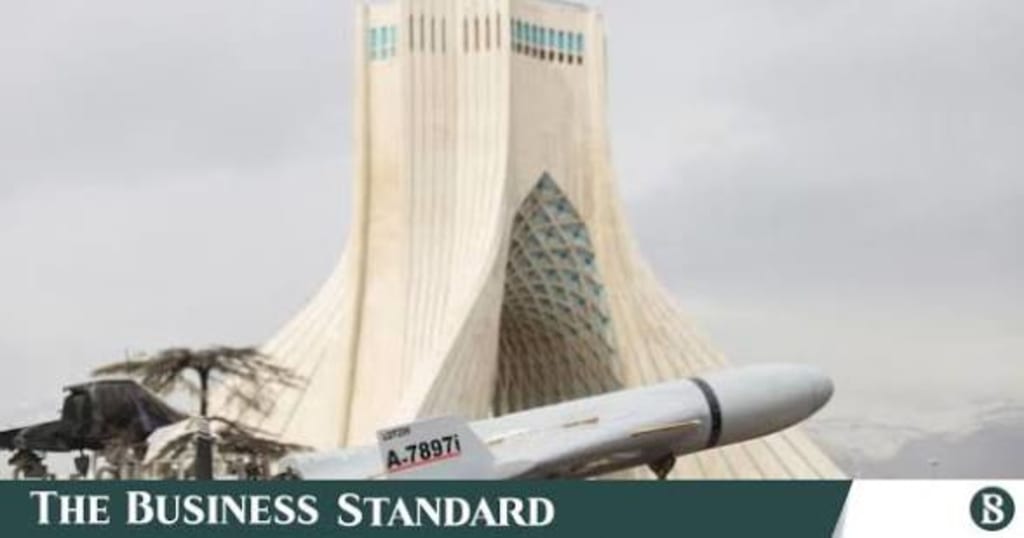
Ukrainian president alleges Moscow is equipping Tehran with drones now used against U.S. and Israeli targets
In a recent interview with CNN, Ukrainian President Volodymyr Zelenskiy made a striking allegation: he claims that Russia has supplied Iran with Iranian‑designed Shahed drones, which Tehran has since used in attacks on United States and Israeli targets in the Middle East. Zelenskiy described this transfer as a “100 percent fact”, asserting that the drones being used against U.S. bases are Russian‑made variants of Iranian Shaheds — a development that has broad implications for global security and regional conflict dynamics.
What Zelenskiy Said and the Context
During the broadcast interview, Zelenskiy emphasized that the drones Iran is employing in recent strikes on U.S. and allied positions have origins tied back to Moscow. He urged Western audiences to recognize this as a clear example of the deepening military cooperation between Russia and Iran, arguing that Moscow’s support for Tehran extends beyond diplomatic rhetoric into material transfers of military systems.
Although detailed evidence has not been publicly presented, Zelenskiy stated confidently that the presence of Russian‑made Shahed drones in the Iranian arsenal is a verified fact, not speculation. His comments come amid escalating tensions in the Middle East — including a widening conflict involving Israel, Iran, and Western forces, in which drone strikes have played a prominent role.
What Are Shahed Drones?
Shahed drones are a family of Iranian unmanned aerial vehicles (UAVs) and loitering munitions developed by Shahed Aviation Industries, an Iranian aerospace company associated with the Islamic Revolutionary Guard Corps. These drones — particularly the Shahed‑136 model — are designed to fly long distances and detonate on contact, making them effective low‑cost “kamikaze” weapons.
Originally deployed by Iran in regional conflicts, the Shahed series gained significant global attention during the 2022 Russian invasion of Ukraine, when Russian forces used them to target Ukrainian cities and infrastructure. Russia also developed its own local production lines for variants — often designated as Geran drones — based on Iranian designs.
The Allegations and Why They Matter
Zelenskiy’s accusations suggest a reversal of roles in the military supply chain: instead of merely receiving Iranian drones, Russia now allegedly provides them — or at least their production — back to Iran for its own military use. That is particularly significant given that the drones have been deployed in attacks beyond the Ukraine battlefield, including in the Middle East against U.S. and Israeli targets.
If confirmed, this would mark a new phase of military collaboration between Russia and Iran, reinforcing concerns among U.S. and NATO officials about coordinated efforts to challenge Western military assets and influence in multiple theatres simultaneously. It could also complicate diplomatic efforts to stabilize conflict zones where both Tehran and Moscow have strategic interests.
Regional Impacts and Broader Security Concerns
The alleged transfer comes at a time of heightened conflict in the Middle East. Recent strikes on Iranian infrastructure by Israeli forces and subsequent Iranian retaliatory drone and missile attacks have drawn in the United States and raised fears of a wider regional war. In this environment, weapons technology transfers between major state actors could intensify existing tensions and trigger further escalation.
U.S. and allied officials have previously expressed concern about the proliferation of Shahed drones and their derivatives. Although these drones are relatively inexpensive — often costing tens of thousands of dollars apiece compared with millions for advanced missiles — their effectiveness and ease of deployment make them attractive tools for asymmetrical warfare.
In Ukraine, similar drones have been a persistent threat for years. Ukrainian forces have endured waves of Shahed and Russian variants, prompting Kyiv to develop advanced counter‑drone systems, including electronic warfare and interceptor drones, to defend cities and military targets. The widespread use of such drones in Ukraine has also made Kyiv a source of expertise for countries now facing Shahed strikes in the Middle East.
Diplomatic Ripples and Political Fallout
Zelenskiy’s claims arrive as Ukraine seeks broader international cooperation against Iranian drone attacks, offering its experience and technology in return for financial and military support. Kyiv has dispatched expert teams to the Middle East to assist in assessing defenses and bolstering anti‑drone capabilities — a move that underscores the interconnected nature of modern conflicts.
At the same time, Iran has warned that Ukraine could become a target in retaliation for its support of U.S. and Israeli defenses. Iranian officials have used strong language to criticize Ukraine’s growing cooperation with its adversaries, suggesting geopolitical tensions could expand beyond the current theatres of war.
Uncertainties and What Comes Next
While Ukraine’s president insists on the validity of the claims regarding Russian supplies to Iran, independent verification remains limited in the public domain. The geopolitical stakes — involving Russia, Iran, the United States and Israel — are high, and each actor has incentives to shape the narrative in ways that support its strategic goals.
What is clear is that drones like the Shahed continue to reshape modern warfare, offering both tactical flexibility and strategic headaches for nations contending with asymmetric threats and multifront conflicts.
About the Creator
Fiaz Ahmed
I am Fiaz Ahmed. I am a passionate writer. I love covering trending topics and breaking news. With a sharp eye for what’s happening around the world, and crafts timely and engaging stories that keep readers informed and updated.
Keep reading
More stories from Fiaz Ahmed and writers in The Swamp and other communities.
Military Aircraft Bringing Back 211 S. Koreans, Foreigners From Saudi Arabia Amid Mideast Conflict
In the first military evacuation flight since the outbreak of war in the Middle East, South Korea has airlifted 211 people — including 204 South Korean nationals and several foreign family members — out of Saudi Arabia to bring them safely home, Seoul officials said Sunday. The evacuation effort comes as regional tensions escalate following intensive conflict between the United States, Israel, and Iran, which has disrupted commercial air travel, closed airspace over parts of the Middle East, and left thousands of foreign residents and visitors stranded. The Evacuation Operation South Korea’s Republic of Korea Air Force (ROKAF) deployed a military transport aircraft — specifically a KC‑330 “Cygnus” multi‑role tanker and transport plane — to Riyadh, Saudi Arabia to bring back stranded citizens and their families. The aircraft departed with 211 passengers on board, including: 204 South Korean citizens, Five foreign family members of those nationals, and Two Japanese nationals who were also evacuated as part of the diplomatic cooperation between Seoul and Tokyo. Officials described the flight as a critical first step in a broader repatriation effort that aims to help Koreans and others leave the conflict‑affected region. As commercial flights remain limited or canceled in many parts of the Middle East, government‑organized evacuations have become essential for those wishing to return home. Why the Evacuation Was Necessary The evacuation reflects growing concern among governments about the safety of their citizens in Saudi Arabia and surrounding countries, where regional tensions have heightened dramatically. The conflict, which erupted late last month, has featured missile and drone strikes, reciprocal military engagements, and tightening restrictions on civilian movement and airspace. For many South Koreans living or working in the Gulf — including students, expatriate workers and business professionals — uncertainty over flights and safety has made travel planning nearly impossible. Ordinary commercial routes to Seoul have been reduced or postponed because of ongoing security risks and the lack of open air corridors. Government evacuation flights have therefore become a primary option for departure. International Cooperation in Evacuations South Korea’s evacuation flight also underscores increasing international cooperation in crisis responses. The two Japanese nationals aboard the plane were evacuated thanks to a reciprocal agreement between Seoul and Tokyo on mutual assistance in emergency evacuations. In 2024, the two countries signed a memorandum to support one another’s citizens in the event of war or widespread instability, allowing such cooperation when commercial travel is disrupted. This sort of coordinated evacuation is not unprecedented; during past regional conflicts in the Middle East, several countries have deployed military transport planes or chartered flights to evacuate their nationals. However, given the scale and rapid evolution of the 2026 Iran war, official repatriation missions have become more urgent and complex. Evacuation Challenges and Logistics Organizing a large‑scale repatriation flight under stressful geopolitical conditions is a major logistical undertaking. Military transport aircraft like the KC‑330 Cygnus — typically used for aerial refueling and transport missions — must be reconfigured to carry passengers safely over long distances, while ensuring secure airspace entry and exit amidst conflict. South Korean authorities have worked closely with foreign governments, airport operators, and diplomatic missions in Riyadh to coordinate passenger manifest lists, boarding procedures, and safe departure windows. Officials warn that additional evacuations may be necessary as more nationals express a desire to return home and as conditions evolve in the region. Government Response and Citizen Support The South Korean government has repeatedly urged its citizens in the Middle East to remain vigilant and register with local embassies for emergency support. It has also stressed that those wishing to leave should consider available evacuation flights, as regular commercial services may not resume for weeks or longer depending on how the conflict unfolds. Foreign Minister Cho Hyun emphasised in a recent parliamentary session that the government is committed to assisting with further evacuation efforts and continues to explore all available options to bring people home safely. For many of those on the flight, the journey back to Seoul offers relief after days of uncertainty. Families reunited at Incheon Airport expressed gratitude to the military personnel and diplomats who helped make the evacuation possible, particularly given the unpredictable security environment in the Middle East.
By Fiaz Ahmed about 17 hours ago in The Swamp
The Forsyth House Fire
Since 1851, Forsyth House has stood on the corner of Union Street and Gordon Street in the heart of Glasgow. Its iconic, or was... because on Sunday 8th of March, 2026, a fire broke out in a small, seemingly un-named shop in the building and tore all that history down. As I write, the rubble is still unsettled and the street is still blocked off. Central Station is quiet on the upper level, and around 30 small businesses have quite literally gone up in smoke.
By S. A. Crawford3 days ago in The Swamp
Italian Citizenship Ruling: What It Means for Families Abroad
For many people around the world, the idea of Italian citizenship is more than paperwork. It is about identity, family stories, and a connection to ancestors who once left Italy in search of a different life. Some carry old photographs of grandparents who boarded ships decades ago. Others grow up hearing stories about small villages, olive trees, and crowded family dinners. Because of this deep connection, court decisions about citizenship often feel personal. The recent discussion around the Italian citizenship ruling has created both hope and confusion for many families abroad. People want to understand what the decision means and whether it changes their chances of claiming citizenship through ancestry. To understand the moment clearly, it helps to explore how Italian citizenship laws work and why this ruling matters.
By Muqadas khana day ago in The Swamp
Why Didn't Anyone Tell Us
Men, move along. This is not for you. This is for the women. I was forty-five when I began menopause. It is pretty young for that to be going on in a woman’s life, but I had undiagnosed PCOS, my entire life. Thank you to all the gynecologists I had seen my entire life. That in itself should encourage women to keep seeking second opinions, especially when you are not getting correct answers or any at all.
By Alexandra Grant5 days ago in Humans


Comments
There are no comments for this story
Be the first to respond and start the conversation.