
Refrigerated Transport Market Trends & Summary
Why Temperature-Controlled Logistics Is Becoming a Backbone of Global Supply Chains


The Refrigerated Transport Market is undergoing a major transformation as global demand for perishable and temperature-sensitive goods continues to rise. According to the latest findings from Renub Research, the market is projected to grow from US$ 18.59 billion in 2024 to US$ 28.33 billion by 2033, registering a CAGR of 4.79% during the forecast period 2025–2033. Several factors—including the rising consumption of organic and specialty foods, advances in refrigeration technology, and relaxed international trade regulations—are shaping the future of this industry.
The Refrigerated Transport Global Market & Forecast report covers mode of transportation (road, sea, rail, air), refrigeration technology, temperature settings, and applications across chilled and frozen food products. It also provides insights across 25 major countries, highlighting the rapid evolution of temperature-controlled logistics worldwide.
Global Refrigerated Transport Industry Overview
Refrigerated transport refers to the specialized movement of perishable goods through temperature-controlled vehicles equipped with advanced cooling systems. These vehicles maintain precise internal conditions to prevent spoilage and ensure the safe consumption of products such as:
Fresh fruits and vegetables
Meat and seafood
Dairy and frozen foods
Vaccines, biologics, and temperature-sensitive pharmaceuticals
As global supply chains expand and consumer expectations for fresh, high-quality products increase, refrigerated transport has become indispensable. Today’s food systems rely heavily on cold chain logistics to manage long-distance shipments without compromising safety or nutrition. Likewise, pharmaceutical and healthcare systems depend on temperature-controlled logistics to store and distribute critical drugs and vaccines.
This shift has placed refrigerated transport at the center of global commerce, where it supports industries from agriculture to biotechnology and contributes significantly to economic stability, food security, and public health.
Key Factors Driving Market Growth
1. Surging Global Food and Beverage Demand
The food and beverage industry remains the single largest driver of refrigerated transport. As populations expand and disposable incomes increase, the demand for fresh, processed, and ready-to-eat foods continues to skyrocket.
Consumers around the world are gravitating toward:
Organic produce
Hormone-free meats
Specialty foods
Premium dairy products
These preferences amplify the need for robust cold chain networks that can transport delicate perishables with minimal waste and maximum safety. International trade in fresh produce is also expanding, making refrigerated logistics critical in maintaining quality across borders.
2. Breakthroughs in Refrigeration Technology
Technological advancements are reshaping the future of refrigerated transport. New refrigeration systems are smarter, greener, more energy-efficient, and more reliable.
Key innovations include:
Electric and solar-powered refrigeration units
Smart temperature and humidity monitoring systems
Predictive analytics for maintenance and route optimization
Environmentally friendly refrigerants
A notable example is the groundbreaking ionocaloric cooling technology developed at the Lawrence Berkeley National Laboratory in 2023. This novel method uses energy changes during material phase transitions instead of vapor compression, offering a low-emission alternative to conventional systems.
Such innovations significantly reduce operational costs while helping industries meet sustainability goals and stricter regulations on greenhouse gas emissions.
3. Growing Pharmaceutical and Healthcare Needs
The pharmaceutical sector has become a powerful growth driver for refrigerated transport. Key factors include:
Rising prevalence of chronic diseases
Ageing global population
Expanding distribution of biologics, vaccines, and insulin
Increased emphasis on pandemic preparedness
The COVID-19 crisis underscored the absolute necessity of temperature-controlled logistics to safeguard the efficacy of vaccines and medical supplies. Healthcare providers rely on meticulously monitored cold chain systems to ensure timely, safe, and compliant delivery of lifesaving medications.
As the pharmaceutical market shifts toward personalized medicines and biologics—which often require ultra-precise temperature conditions—the demand for advanced refrigerated transport solutions will continue to rise.
4. Regulations and Quality Standards Fueling Market Expansion
Government regulations and international quality standards play a crucial role in strengthening refrigerated transport. Authorities across the world have implemented strict guidelines governing the storage, handling, and transportation of temperature-sensitive goods.
To maintain compliance, companies must adopt high-standard cold chain practices, including:
Real-time temperature monitoring
GPS-enabled fleet tracking
Automated data recording
Advanced insulation and cooling systems
These standards improve product safety, reduce spoilage risks, and reinforce consumer trust—ultimately boosting the adoption of refrigerated transportation services across industries.
Major Challenges in the Refrigerated Transport Market
Despite its growth potential, the refrigerated transport industry faces several pressing challenges.
1. High Energy Consumption and Environmental Concerns
Traditional refrigeration systems consume large amounts of energy and rely heavily on fossil fuels, contributing significantly to carbon emissions. As sustainability becomes a global imperative, refrigerated transport companies must transition to cleaner, more efficient solutions.
However, the costs of adopting green technology, upgrading fleets, and complying with emissions regulations can be substantial—particularly for small and mid-size operators.
2. Difficulty Maintaining Accurate Temperature Control
Even slight deviations in temperature can cause spoilage, financial losses, product recalls, and regulatory penalties. Maintaining consistent environmental conditions throughout long-distance shipments is particularly challenging due to:
Equipment malfunctions
Delayed transit times
Harsh climates
Human error
Companies must invest in advanced cooling systems, real-time monitoring, and predictive maintenance to mitigate these risks. Temperature control remains one of the most critical—and costly—challenges in the refrigerated logistics sector.
Regional Market Insights
United States
The U.S. refrigerated transport market is growing steadily due to rising demand for fresh food, pharmaceuticals, and on-demand grocery delivery. The surge in e-commerce grocery platforms, coupled with consumer expectations for fast home delivery, has accelerated the adoption of advanced cold chain logistics.
However, the industry continues to navigate:
High energy consumption
Environmental regulations
Increasing operational costs
Despite these challenges, steady investments in technology and logistics infrastructure keep the U.S. market progressive and competitive.
United Kingdom
In the UK, consumer demand for freshness and convenience has made refrigerated transport indispensable for food retailers, online grocery platforms, and pharmaceutical suppliers. The rise of home delivery services has further boosted the market.
But challenges persist:
Rising fuel and energy costs
Environmental requirements
Strict food safety compliance
The UK is expected to adopt greener refrigeration technologies as sustainability becomes a national priority.
India
India’s refrigerated transport market is expanding rapidly, fueled by the growing consumption of:
High-quality meat
Dairy
Fresh fruits and vegetables
Pharmaceuticals
Government-backed initiatives to enhance cold storage infrastructure and logistics efficiency are supporting market growth. However, inadequate rural infrastructure, inconsistent temperature maintenance, and energy inefficiency remain major hurdles.
With increasing adoption of smart refrigeration, real-time tracking, and energy-efficient systems, India is poised to strengthen its cold chain ecosystem significantly.
Saudi Arabia
Saudi Arabia's refrigerated transport market is expanding due to strong demand for perishable goods, pharmaceuticals, and industrial chemicals. The growth of modern retail chains, restaurants, and e-commerce platforms has increased the need for sophisticated cold chain operations.
Challenges include:
High electricity prices
Harsh climatic conditions
Long-distance transport issues
However, strategic investments in logistics and infrastructure are helping Saudi Arabia emerge as a regional cold chain hub.
Market Segments
Mode of Transportation
Refrigerated Road Transport
Refrigerated Sea Transport
Refrigerated Rail Transport
Refrigerated Air Transport
Technology
Vapor Compression Systems
Air-Blown Evaporators
Eutectic Devices
Cryogenic Systems
Temperature
Single Temperature
Multi-Temperature
Application
Chilled Food Products
Frozen Food Products
Others
Countries Covered (25)
United States, Canada, France, Germany, Italy, Spain, United Kingdom, Belgium, Netherlands, Turkey, China, Japan, India, Australia, South Korea, Thailand, Malaysia, Indonesia, New Zealand, Brazil, Mexico, Argentina, South Africa, Saudi Arabia, UAE.
Company Profiles
Hyundai Motor Company
Singamas Container Holdings Limited
General Mills Inc.
LAMBERET SAS
United Technologies Corporation
C.H. Robinson Worldwide, Inc.
Daikin Industries Limited
FedEx Corporate Services, Inc.
DB Schenker AG
Ingersoll Rand Inc.
Krone Commercial Vehicle Group
Final Thoughts
The refrigerated transport market is entering a new era driven by rising global demand for fresh food, innovative pharmaceuticals, and sustainable logistics solutions. As technological advancements and regulatory pressures reshape the competitive landscape, companies must invest in smarter, greener, and more efficient cooling systems to stay ahead.
With strong growth prospects across major regions and a widening range of applications, refrigerated transport will remain a cornerstone of modern supply chains—supporting global commerce, consumer health, and food security for years to come.
About the Creator
Sushant. Renub Research
I’m Sushanta Halder, Digital Marketing Manager at Renub Research with 15+ years in SEO, content, PPC & lead generation. Passionate about data-driven growth strategies.
Keep reading
More stories from Sushant. Renub Research and writers in The Swamp and other communities.
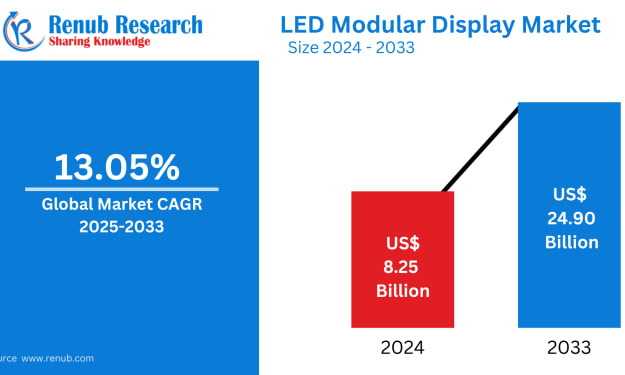
LED Modular Display Market Size and Forecast 2025–2033: Rising Digital Infrastructure Powers a New Era of Visual Technologies
The global LED Modular Display Market, valued at USD 8.25 billion in 2024, is on an extraordinary growth trajectory. According to Renub Research, the market is forecasted to reach USD 24.90 billion by 2033, expanding at a strong CAGR of 13.05% between 2025 and 2033. This remarkable surge is primarily driven by the rising demand for advanced visual technologies across advertising, entertainment, retail, events, and smart city infrastructures.
By Sushant. Renub Research2 months ago in The Swamp
NATO Silence on Donald Trump’s Greenland Threats Rattles European Allies
When Donald Trump first floated the idea of acquiring Greenland during his earlier presidency, many dismissed it as another off-the-cuff remark. A headline designed to shock, provoke, and dominate the news cycle. But as Trump returns to the political spotlight and renews his rhetoric around Greenland — this time with sharper language and hints of coercion — Europe is no longer laughing.
By Aqib Hussaina day ago in The Swamp


Comments
There are no comments for this story
Be the first to respond and start the conversation.