
Poundland Shuts 149 Stores, Cuts 2,200 Jobs and Refocuses on £1 Items
“Discount retailer announces major shake-up as rising costs and competition force tough decisions”
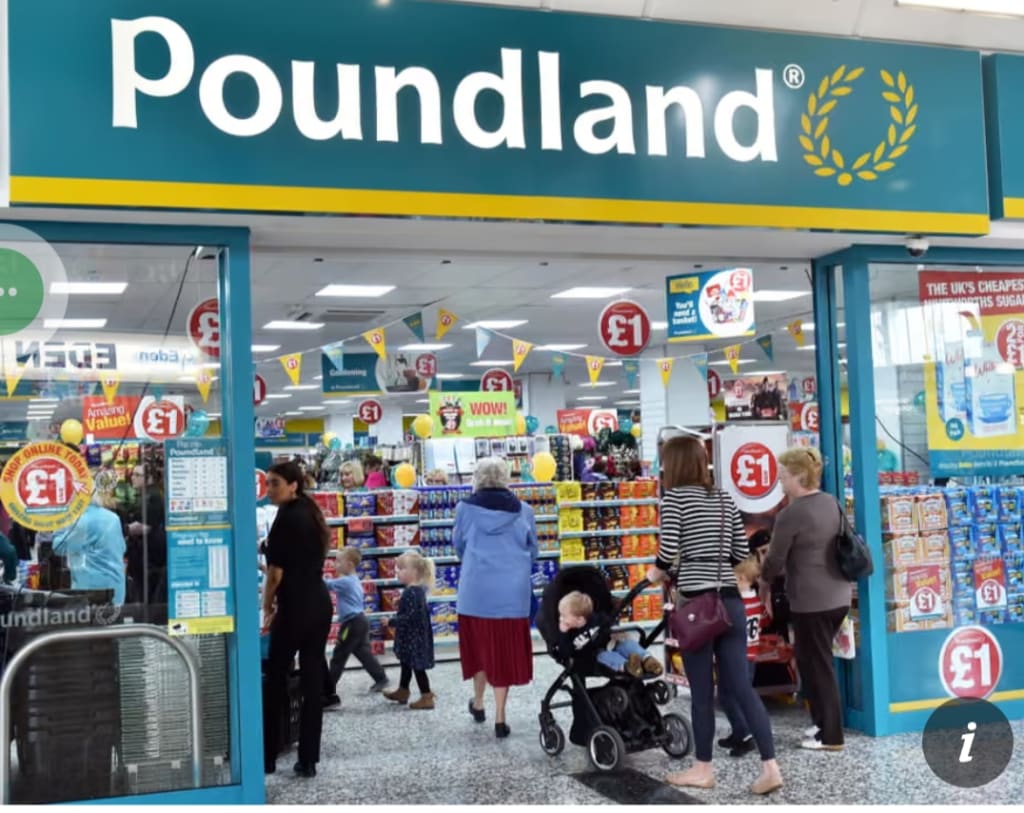
Discount retailer Poundland has announced a major restructuring plan that will see 149 stores close, around 2,200 jobs cut, and a renewed focus on its original £1 price point. The move marks one of the most significant shake-ups in the company’s history as it attempts to adapt to changing consumer habits and rising operational costs.
A Major Restructuring Move
Poundland confirmed that the closures will be rolled out over the coming months, affecting stores across the UK. The company said the decision was not taken lightly but described it as necessary to secure the long-term future of the business.
The retailer has struggled in recent years with:
Rising rent and energy costs
Increased wages and staffing expenses
Intense competition from supermarkets and online retailers
By closing underperforming locations, Poundland aims to streamline operations and focus investment on stores with stronger footfall and profitability.
Job Losses Raise Concerns
The closure of 149 stores is expected to result in the loss of approximately 2,200 jobs, prompting concern from trade unions and local communities. Many affected stores are located in town centres where retail employment plays a vital role in the local economy.
Employee representatives have called for:
Clear consultation processes
Support for redeployment where possible
Fair redundancy packages
Poundland said it is committed to working closely with staff and unions to minimize the impact, adding that some employees may be offered roles in nearby stores.
Back to the £1 Promise
A key element of Poundland’s strategy is a renewed emphasis on £1-priced items, returning the brand to its original identity. In recent years, Poundland expanded into multi-price ranges, with some items costing £2, £5, or more.
While this move helped offset rising costs, it also led to criticism from customers who felt the retailer had lost sight of its core promise.
By refocusing on £1 items, Poundland hopes to:
Rebuild trust with price-conscious shoppers
Differentiate itself from competitors
Reinforce brand clarity in a crowded discount market
Executives say the £1 range will be supported by tighter cost controls and simplified product lines.
Why Poundland Is Under Pressure
The retailer’s challenges reflect wider problems facing UK high street stores. Despite inflation easing slightly, businesses continue to face:
Higher supply chain costs
Reduced consumer spending power
Increased online competition
Discount retailers are not immune. Supermarkets have expanded their own low-cost ranges, while competitors like Aldi and Lidl continue to dominate the value sector with efficient operations and strong private-label offerings.
Retail analysts say Poundland has been squeezed between rising costs and customers unwilling to pay more, making the current restructuring almost inevitable.
Impact on Town Centres
The closure of nearly 150 Poundland stores will leave noticeable gaps in many high streets. In smaller towns, Poundland often acts as an anchor retailer, drawing footfall that benefits nearby businesses.
Local councils and business groups have warned that:
Vacant units could increase
Footfall may decline further
Regeneration efforts could be set back
However, some experts argue that rationalizing store networks may help stabilize the retail landscape rather than prolonging unsustainable operations.
Customer Reaction
Shoppers have responded with mixed emotions. Many customers welcomed the return to £1 pricing, especially amid ongoing cost-of-living pressures. Others expressed disappointment about losing convenient local stores.
Social media reactions suggest that while loyalty to the brand remains strong, customers expect:
Consistent pricing
Better stock availability
Clear communication about changes
Poundland says it will invest in remaining stores to improve layout, stock levels, and customer experience.
Digital Strategy and Future Focus
Alongside store closures, Poundland is reviewing its digital and supply chain strategy. Although the brand is primarily brick-and-mortar, executives acknowledge that:
Online presence influences consumer trust
Click-and-collect and digital promotions could play a larger role
The company is also exploring partnerships with suppliers to maintain £1 pricing without sacrificing quality.
Industry Perspective
Retail experts view Poundland’s move as a strategic reset rather than a retreat.
“This is about survival and relevance,” said retail analyst Martin Shaw. “The £1 promise is Poundland’s strongest asset. Refocusing on it could help the brand stand out again—if it can control costs.”
However, analysts warn that success will depend on execution. Simply closing stores and cutting jobs will not guarantee recovery without sustained consumer confidence.
What This Means for UK Retail
Poundland’s restructuring highlights the ongoing transformation of the UK retail sector. Even well-known brands are being forced to:
Shrink physical footprints
Simplify offerings
Reconnect with core customers
As economic pressures continue, more retailers may follow similar paths in 2026.
Conclusion
Poundland’s decision to shut 149 stores, cut 2,200 jobs, and refocus on £1 items marks a defining moment for the discount retailer. While the move aims to stabilize the business and restore its original appeal, it comes at a significant cost to employees and local communities.
Whether this strategy succeeds will depend on Poundland’s ability to deliver genuine value, maintain quality, and adapt to a rapidly changing retail environment. For now, the announcement serves as a stark reminder that even budget retail giants are not immune to the pressures reshaping the UK high street.
About the Creator
Keep reading
More stories from Aarif Lashari and writers in The Swamp and other communities.
Inside Trump’s Mother of All Climbdowns
For a politician built on bravado, defiance, and an image of never backing down, Donald Trump’s latest reversal has stunned allies and critics alike. Described by commentators as the “mother of all climbdowns,” the episode marks a rare moment where Trump appeared to retreat from positions he once championed with absolute certainty.
By Aarif Lasharia day ago in The Swamp
Stocks Rebound After Trump Rules Out Military Action on Greenland: Live Updates
Global stock markets rallied Wednesday after a turbulent couple of days, following fears over U.S. President Donald Trump’s controversial interest in Greenland. Traders had been spooked by speculation about military action to acquire the Arctic territory — but Trump clarified that the U.S. would not pursue force, calming investors.
By Aqib Hussain4 days ago in The Swamp
Marine Le Pen Defends Party as “No System” Existed to Misuse EU Funds
Marine Le Pen, the leader of France’s far-right National Rally party, appeared in court this week to defend herself and her party in an appeal trial concerning allegations of misuse of European Union funds. Speaking before the judges, Le Pen asserted that her party never had a structured system or deliberate plan to exploit EU financial resources, calling the accusations politically motivated and unfounded.
By Muhammad Hassan4 days ago in The Swamp




Comments
There are no comments for this story
Be the first to respond and start the conversation.