
Podcast: Why the Price of Gold Reflects a Long-Term Shift
How changing global economics and uncertainty are redefining the role of the world’s oldest safe haven

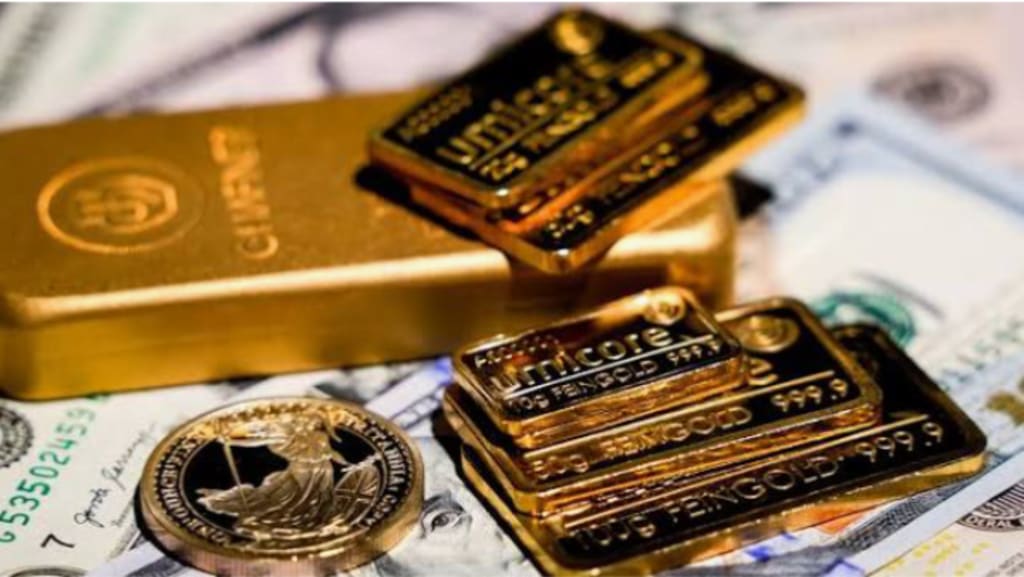
The rising price of gold has captured the attention of investors, economists, and everyday consumers alike. Once seen primarily as a hedge against inflation or a store of value during crises, gold is now being viewed through a broader lens—as a symbol of a deeper, long-term shift in the global economic system. In a recent podcast discussion, analysts explored why gold’s surge is not just a short-term reaction to market fear but a reflection of lasting structural change.
Their conclusion was clear: gold’s current momentum is rooted in more than speculation. It reflects growing uncertainty about traditional financial systems and the evolving balance of global power.
A Safe Haven in Uncertain Times
For centuries, gold has served as a refuge when trust in paper currencies weakens. During wars, financial crashes, and periods of high inflation, investors often turn to gold to preserve wealth.
What makes the current trend different, according to podcast experts, is its persistence. Instead of brief spikes tied to specific crises, gold has shown sustained strength over time. This suggests that the market is responding to more than temporary instability.
The global economy is experiencing overlapping pressures: rising geopolitical tensions, shifting trade alliances, technological disruption, and record levels of government debt. Together, these forces have created an environment in which traditional financial tools feel less reliable.
Inflation and the Erosion of Currency Confidence
Inflation has re-emerged as a central issue worldwide. While central banks initially described inflation as “transitory,” higher prices have proven more stubborn than expected. Even as inflation rates cool in some countries, concerns remain about long-term currency stability.
The podcast panelists argued that gold’s appeal is linked not only to inflation itself but to how governments and central banks respond to it. Large-scale stimulus programs and interest rate policies have expanded money supplies at historic levels.
This has led some investors to question the long-term value of fiat currencies. Gold, by contrast, cannot be printed or digitally created. Its supply is limited, giving it a sense of permanence that modern money lacks.
Central Banks Are Buying Gold
One of the most significant signs of a long-term shift is the behavior of central banks. In recent years, central banks—especially in emerging economies—have been purchasing gold at record levels.
This trend signals a strategic move away from heavy reliance on the U.S. dollar and other major currencies. By increasing gold reserves, countries aim to diversify their assets and reduce exposure to geopolitical risks and sanctions.
Podcast analysts described this as a quiet but powerful transformation in the global financial order. Gold is no longer just an investor’s hedge; it is becoming a cornerstone of national economic strategy.
Geopolitics and the Search for Stability
Political tensions and regional conflicts also play a role in gold’s long-term rise. Wars, trade disputes, and shifting alliances create uncertainty in global markets. In such times, assets that are not tied to any single government or political system gain appeal.
Gold’s neutrality makes it attractive. Unlike currencies, it is not controlled by any central authority. This independence gives it a unique status in an increasingly fragmented world.
The podcast highlighted that this geopolitical dimension is likely to persist. As long as instability remains part of the global landscape, gold’s relevance will continue to grow.
Technology and Changing Investment Behavior
Another factor shaping gold’s future is technology. Digital trading platforms and financial apps have made gold more accessible than ever. Investors no longer need to buy physical bars or coins; they can purchase gold-backed securities with a few taps on their phones.
This ease of access has broadened gold’s appeal to younger generations who might previously have ignored it. Combined with rising interest in alternative assets such as cryptocurrencies, gold has found new relevance as part of a diversified investment strategy.
Unlike digital currencies, however, gold offers physical backing and historical credibility. This combination of tradition and modern accessibility strengthens its position in today’s markets.
Not Just a Bubble
Some critics argue that gold’s rise is driven by fear and speculation, warning of a potential bubble. The podcast panelists countered that view, pointing to structural forces rather than emotional reactions.
They emphasized that the demand for gold is coming from multiple directions: individual investors, institutions, and governments. This broad base of support suggests a durable trend rather than a short-lived surge.
While short-term fluctuations are inevitable, the long-term picture appears tied to systemic change rather than hype.
What This Means for the Future
If gold’s price reflects a long-term shift, it has important implications for global finance. It suggests that confidence in traditional currencies and institutions may continue to weaken, pushing investors toward tangible assets.
This does not mean gold will replace money or dominate markets entirely. Instead, it may take on a stronger role as a stabilizing force in an uncertain world.
For individuals, this trend encourages a rethinking of wealth preservation strategies. For governments, it raises questions about monetary policy and reserve management. And for the global economy, it points to a period of transformation rather than temporary disruption.
Conclusion: Gold as a Signal of Change
The podcast discussion made one thing clear: gold’s rising price is more than a reaction to today’s headlines. It reflects deeper shifts in how people and institutions view money, risk, and security.
Inflation, geopolitical tension, central bank behavior, and technological change are converging to reshape the financial landscape. Gold, with its long history and unique properties, stands at the center of this transformation.
Rather than asking whether gold will go up or down next month, the more important question may be what its rise says about the future of the global economy. In that sense, gold is not just an investment—it is a signal.
And that signal suggests the world is entering a new phase, where trust, stability, and value are being redefined.
About the Creator
Sajida Sikandar
Hi, I’m Sajida Sikandar, a passionate blogger with 3 years of experience in crafting engaging and insightful content. Join me as I share my thoughts, stories, and ideas on a variety of topics that matter to you.
Keep reading
More stories from Sajida Sikandar and writers in The Swamp and other communities.
Air India Grounds Boeing Dreamliner Over Fuel Control Switch Concern
Air India has grounded one of its Boeing 787 Dreamliner aircraft after discovering a potential issue related to the fuel control switch, sparking renewed attention on aircraft safety systems and maintenance protocols. While no injuries or incidents were reported, the airline’s precautionary move reflects the aviation industry’s strict emphasis on risk prevention and technical reliability.
By Sajida Sikandarabout 11 hours ago in The Swamp
Bill Gates, Elon Musk, and Howard Lutnick Face New Scrutiny Over Epstein Ties
Fresh attention has turned once again to the late financier and convicted sex offender Jeffrey Epstein after newly unsealed court documents and media investigations revived questions about his relationships with some of the world’s most powerful figures, including Bill Gates, Elon Musk, and Howard Lutnick. While none of the individuals has been charged with wrongdoing in connection to Epstein, the renewed scrutiny highlights lingering concerns over accountability, transparency, and the influence Epstein wielded in elite circles. The latest wave of attention follows the release of previously sealed records tied to civil lawsuits and Epstein’s network of associates. These materials include emails, meeting logs, and testimony that shed light on the breadth of Epstein’s connections with business leaders, politicians, and academics before his arrest in 2019 and subsequent death in jail later that year. Bill Gates and Past Meetings Bill Gates has long acknowledged that he met with Epstein several times in the early 2010s, primarily to discuss philanthropy and global health initiatives. Gates has said publicly that those interactions were a mistake and that no partnership or funding arrangement ever resulted from them. In recent reports, documents surfaced that reference Gates in connection with Epstein’s efforts to arrange meetings with scientists and wealthy donors. Some records include unverified claims made by Epstein about Gates’ personal life. Gates’ representatives have strongly denied these allegations, calling them false and misleading. A spokesperson for Gates has reiterated that Epstein never provided funding to the Gates Foundation and that their interactions were limited and brief. Gates himself has stated that he regrets meeting Epstein and has expressed support for investigations into Epstein’s broader network. Elon Musk and Email Exchanges Elon Musk has also been drawn into renewed discussion after emails emerged showing that Epstein attempted to cultivate a relationship with the Tesla and SpaceX chief executive. In one exchange, Epstein appeared to invite Musk to visit his private Caribbean island, which later became infamous as a central location in Epstein’s trafficking operation. Musk has said he never visited the island and did not maintain a close relationship with Epstein. He previously described Epstein as “creepy” and said he declined any meaningful association with him. While the emails show communication between the two, they do not demonstrate criminal activity or participation in Epstein’s crimes. Legal analysts emphasize that being mentioned in Epstein-related documents does not imply guilt. Many of Epstein’s contacts were unaware of the full scope of his criminal conduct at the time, though critics argue that wealthy and influential figures should have exercised greater caution. Howard Lutnick and Renewed Questions Howard Lutnick, a prominent business executive and political figure, has also come under renewed scrutiny following reports that reference his past interactions with Epstein. According to the newly highlighted materials, Epstein claimed to have social connections with Lutnick and arranged meetings involving family members. Lutnick has not been accused of any illegal activity in connection with Epstein, and no charges have been brought against him. However, the resurfacing of these details has led to calls for clarification regarding the nature and timing of his interactions with Epstein. Public reaction has been particularly strong because of Epstein’s extensive efforts to embed himself among political and financial elites, using wealth and influence to gain legitimacy. Broader Impact of the Document Releases The renewed focus on Epstein’s associates comes amid growing pressure from lawmakers and advocacy groups for full transparency in the handling of Epstein-related investigations. Critics argue that too many details remain hidden, and that powerful individuals may have avoided public accountability. At the same time, legal experts caution against drawing conclusions based solely on association. “Epstein deliberately cultivated relationships with famous and wealthy people to enhance his status,” said one former federal prosecutor. “That does not automatically mean those people were complicit in his crimes.” Still, public trust has been shaken by the slow pace of disclosure and the perception that elite figures are treated differently under the law. Public and Political Reaction The renewed scrutiny has fueled debate about the responsibilities of prominent individuals to distance themselves from controversial figures. Social media reactions have ranged from demands for investigations to reminders that none of the named individuals has been charged. Several lawmakers have called for a comprehensive review of Epstein’s contacts and how law enforcement agencies handled earlier complaints about his conduct. Advocacy organizations representing victims say the focus should remain on survivors rather than on celebrity associations. “This is not about headlines,” said one victims’ rights advocate. “It’s about understanding how Epstein was able to operate for so long and who enabled that system, whether knowingly or not.” The Continuing Legacy of the Epstein Case Years after Epstein’s death, his case continues to reverberate through politics, finance, and technology. Each new document release renews public interest and raises questions about how power and privilege intersect with justice. For Gates, Musk, and Lutnick, the current scrutiny underscores how past decisions to associate with Epstein—however limited—continue to affect public perception. While none faces legal consequences from the newly surfaced material, their reputations remain tied to a scandal that refuses to fade from public memory. As journalists and investigators continue to analyze the growing archive of Epstein-related records, more names may emerge, and debates over accountability are likely to intensify. Conclusion The renewed attention on Bill Gates, Elon Musk, and Howard Lutnick highlights the enduring impact of Jeffrey Epstein’s far-reaching network. Though no evidence has surfaced to accuse them of wrongdoing, their past connections are once again under the microscope, reflecting a broader societal demand for transparency and ethical responsibility among the powerful. The Epstein case remains a stark reminder that influence and wealth can shield misconduct for years—and that public scrutiny, however delayed, continues to shape the narrative long after the central figure is gone.Start writing...
By Fiaz Ahmed 2 days ago in The Swamp
Babar Azam: The Modern Icon of Pakistan Cricket
Babar Azam is not just a cricketer; he is a symbol of consistency, class, and modern-day brilliance in international cricket. Over the last decade, Babar has emerged as one of the finest batsmen in the world, earning respect from fans, critics, and fellow players alike. Representing Pakistan with pride, his elegant batting style and calm leadership have placed him among the elite of world cricket. This article explores Babar Azam’s journey, achievements, challenges, and lasting impact on Pakistan cricket.
By Ayesha Lashari6 days ago in The Swamp
Instructions Included Challenge Winners
For the Instructions Included challenge, we asked writers to tell a story through instructions and to trust the form to carry what could not be said outright. Across the top entries, that trust paid off in many different ways.
By Vocal Curation Team6 days ago in Resources



Comments
There are no comments for this story
Be the first to respond and start the conversation.