
Pennsylvania Utility Service Tenants’ Rights Act: What Laypeople Need to Know
Sunshine Firecracker Reporting on Official Oppression and USTRA Violation by Ephrata Borough

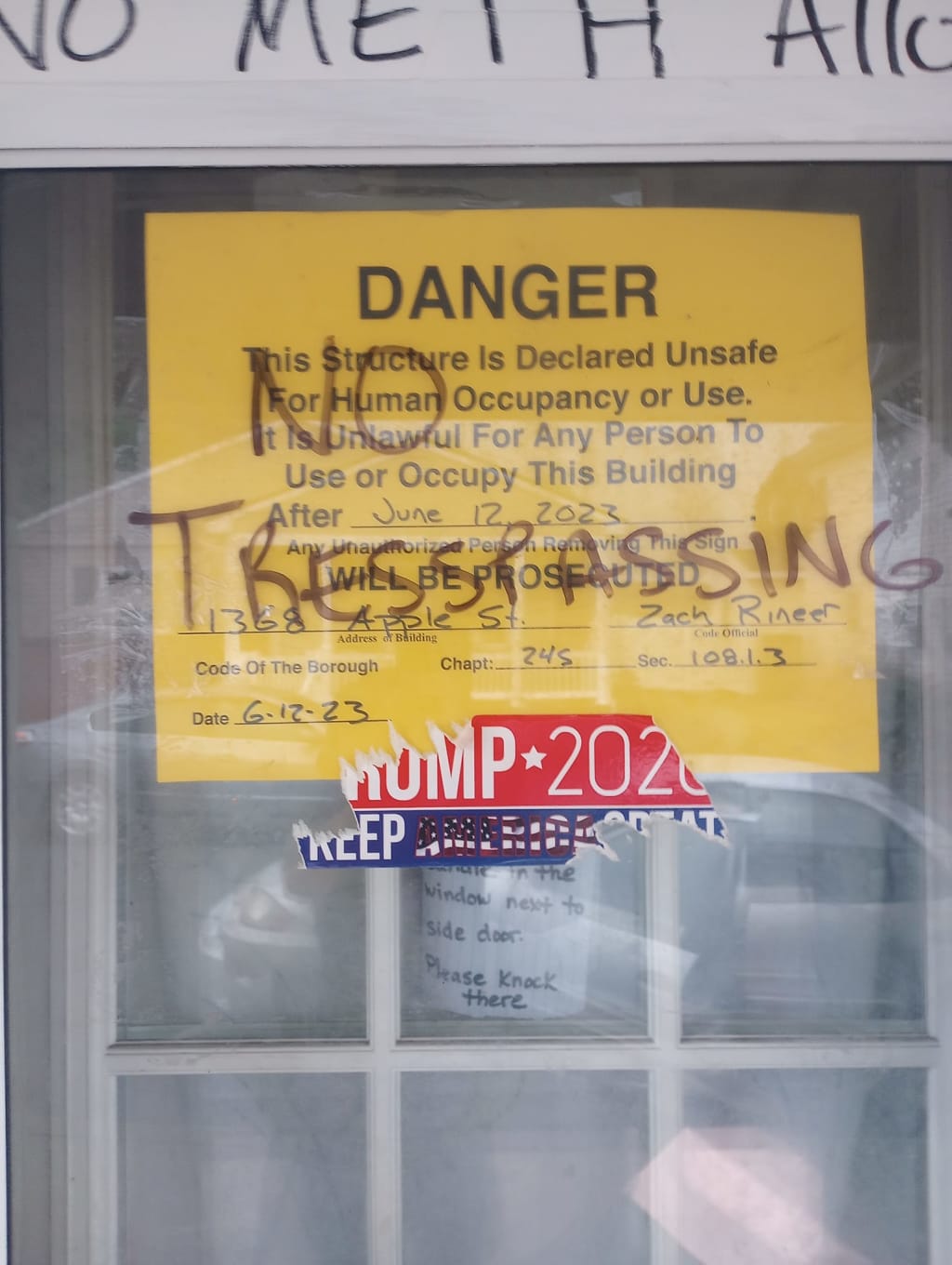
Left in the Dark? How a 1978 Pennsylvania Law Protects Tenants When Landlords Don't Pay Utility Bills
Understanding the Utility Service Tenants’ Rights Act (USTRA) and why it's a critical shield for renters in communities like Ephrata.
Imagine coming home after a long day to a dark apartment and cold radiators. You paid your rent on time, but your landlord didn't pay the utility bill. Before 1978, a Pennsylvania renter in this situation had little recourse. Today, a crucial piece of legislation, the Utility Service Tenants’ Rights Act (USTRA), exists to prevent this exact scenario. In simple terms, USTRA is a shield that protects tenants when a landlord’s failure to pay for water, gas, or electricity threatens their home.
The Twin Threats USTRA Was Designed to Stop
The Pennsylvania legislature enacted USTRA to combat two specific and serious harms that tenants faced:
- Abrupt Utility Shutoffs: The law affirms that tenants have a right to essential services. USTRA ensures that utilities cannot be suddenly terminated—endangering tenants' health and safety—simply because a landlord is delinquent on payments.
- Illegal Landlord Retaliation: Before USTRA, if tenants took action to keep the lights on—for instance, by paying the utility company directly—they often faced punitive rent hikes or eviction threats. USTRA explicitly forbids this. Any such action by a landlord is presumed to be illegal retaliation, regardless of what a lease might say.
Your Rights Under USTRA: A Tenant's Toolkit
USTRA provides tenants with a clear set of legal tools to protect themselves. The law grants you the right to:
- Receive Advance Notice: Utility companies must provide tenants with at least 30 days' written notice before shutting off service due to a landlord's unpaid bill.
- Restore Service and Deduct Costs: Tenants can have their service reconnected by paying the bill for the most recent 30-day period. Crucially, they can then deduct that payment from their future rent without violating their lease.
- Be Free from Retaliation: Landlords are legally barred from evicting, raising rent, or penalizing tenants in any way for exercising their USTRA rights.
Bringing It Home: Why USTRA Is Vital for Ephrata
This isn't just legal theory; it's a matter of basic housing security here in Ephrata. Suppose a landlord in the borough neglects a shared water bill, and tenants lose service without ever receiving the legally required 30-day notice.
Worse yet, imagine that when those tenants organize to pay the bill themselves to get the water turned back on, the landlord threatens them with eviction. This is precisely the kind of abuse of power that USTRA was written to prevent.
When Negligence Becomes a Crime: Official Oppression
In Pennsylvania, public officials—including borough administrators and code enforcement officers—have a duty to uphold the law. If they knowingly allow or participate in actions that deny tenants their rights, they can be charged with Official Oppression under statute 18 Pa.C.S. § 5301.
The law is clear: a public official commits a second-degree misdemeanor if they, "knowing that [their] conduct is illegal... denies or impedes another in the exercise or enjoyment of any right, privilege, power, or immunity."
Applied locally in Ephrata, this could look like:
- A borough official failing to ensure that legally required utility shutdown notices are delivered to tenants.
- An official siding with a landlord who has illegally cut off utilities or is threatening tenants who are lawfully trying to restore their service.
A conviction for Official Oppression carries significant penalties, including up to two years in prison and substantial fines.
Fighting Back in Civil Court: The Tenant's Right to Sue
Beyond holding officials criminally accountable, USTRA gives tenants a powerful tool to seek justice directly. The law establishes a "private right of action," allowing tenants harmed by an illegal utility shutoff or landlord retaliation to file a civil lawsuit.
Through such a suit, a tenant can recover:
- Damages equal to two months’ rent or their actual financial damages, whichever is higher.
- Reasonable attorney’s fees and court costs.
This provision ensures that tenants can afford to fight for their rights without bearing an impossible financial burden.
A Call for Accountability: #SunshineFirecracker
For our community in Ephrata, this issue is about the real-world consequences of landlord negligence and bureaucratic failure. When a family loses heat in the winter or a senior citizen loses access to running water, it is a crisis that demands immediate attention.
USTRA provides the tools for tenants to protect themselves, but those tools are only effective if they are respected and enforced. Highlighting these protections puts landlords and officials on notice, empowers tenants to assert their rights, and invites the scrutiny needed to ensure accountability. An improper utility shutoff isn't just poor property management—it can be a crime and a civil rights violation. Demanding transparency and enforcement can spark real change.
If you live in Ephrata Pennsylvania and need help forcing Ephrata Borough to comply with USTRA law contact:
- Pennsylvania Utility Law Project
- Pennsylvania Attorney General Bureau of Consumer Protection and file a complaint.
- Lancaster County District Attorney and inquire about fining a Private Criminal Complaint for Official Oppression against the responsible parties at Ephrata Borough.
- Sunshine Firecracker
About the Creator
Keep reading
More stories from Sunshine Firecracker and writers in The Swamp and other communities.
Ephrata's Dirty Little Secret
Ephrata, Pennsylvania, is a picturesque town that proudly boasts the Green Dragon Farmers Market and attracts numerous visitors each year. However, behind its idyllic charm lies a darker reality: a growing homeless population that is becoming increasingly marginalized by local government policies. This issue is not just about individuals sleeping on the streets but also includes those who live in cars, bounce between couches, or find temporary shelter in storage units, offices, or even at their jobs. Ephrata’s homeless population is criminalized through ambiguous laws, denied meaningful assistance, and excluded from the community’s compassion—a crisis that has led to controversial enforcement, legal battles, and public outcry.
By Sunshine Firecrackerabout a year ago in The Swamp



Comments (1)
#SunshineFirecracker