
Paramount Extends Deadline on Hostile Warner Bros. Bid to February 20
What the delay signals for Hollywood’s power struggle and the future of media consolidation

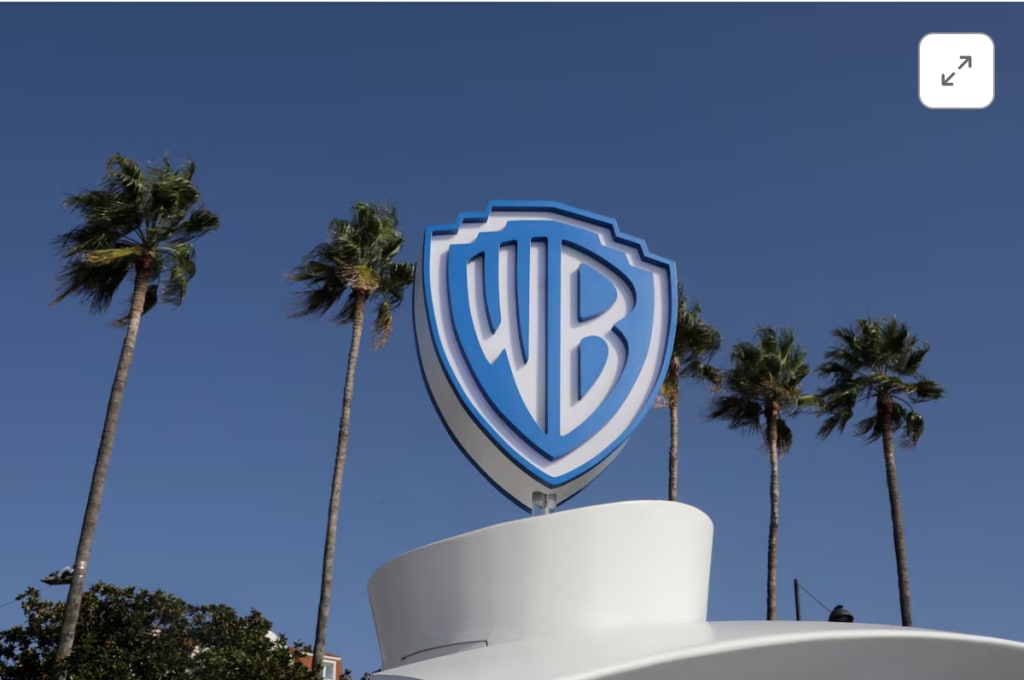
The battle for control in Hollywood has entered a new and uncertain phase. Paramount Global has officially extended the deadline related to a hostile takeover bid involving Warner Bros., pushing the decision date to February 20. The move has sparked fresh debate across the media industry, raising questions about strategy, shareholder pressure, and the long-term future of traditional entertainment giants in a rapidly changing digital landscape.
At its core, the deadline extension is more than a procedural delay. It reflects the growing tension between legacy media companies struggling to adapt and the aggressive consolidation strategies shaping modern entertainment.
Understanding the Hostile Bid
A hostile bid occurs when a company attempts to acquire another without the approval of its board or leadership. In this case, Warner Bros., backed by financial partners, has been pushing forward with an acquisition proposal that Paramount’s leadership has so far resisted.
Paramount’s board has repeatedly expressed concerns over valuation, governance, and strategic direction. By extending the deadline, the company gains time to evaluate its options, engage with shareholders, and potentially seek alternative deals that better align with its long-term vision.
This extension does not mean acceptance—but it does signal that the situation is still fluid.
Why February 20 Matters
Deadlines in takeover bids are not arbitrary. They often serve as pressure points designed to force swift decisions. By extending the timeline, Paramount appears to be pushing back against that pressure, asserting control over the pace of negotiations.
The February 20 deadline provides Paramount with additional breathing room to:
Assess shareholder sentiment
Evaluate regulatory risks
Explore defensive strategies
Consider rival bids or partnerships
In the high-stakes world of media mergers, time can be a powerful negotiating tool.
The Bigger Picture: Media Consolidation
This standoff is happening against the backdrop of widespread consolidation across the entertainment industry. As streaming wars intensify and production costs rise, traditional studios face mounting pressure to scale up or risk falling behind.
Warner Bros. itself is no stranger to consolidation, having gone through multiple restructurings and mergers in recent years. Paramount, meanwhile, has been navigating declining cable revenues, streaming competition, and investor demands for profitability.
The proposed deal reflects a broader trend: fewer companies controlling more content, platforms, and distribution channels.
Investor Reactions and Market Impact
Financial markets have been closely watching every development. News of the extension triggered mixed reactions among investors, with some viewing it as a smart defensive move, while others worry it signals uncertainty or internal disagreement.
Shareholders are divided. Some believe a merger could unlock efficiencies and boost long-term value. Others fear that a hostile acquisition could dilute Paramount’s brand identity and reduce creative independence.
The extension suggests that Paramount’s leadership is not willing to rush into a deal simply to appease short-term market pressures.
Regulatory and Political Considerations
Any major merger between two entertainment giants would face intense regulatory scrutiny. Antitrust authorities in the United States and abroad have become increasingly cautious about large corporate consolidations, particularly in media and technology sectors.
Concerns include:
Reduced competition
Control over content distribution
Impact on consumers and creators
By extending the deadline, Paramount may also be factoring in the political and regulatory climate, which remains unpredictable ahead of major policy shifts in 2026.
What It Means for Creators and Viewers
While corporate negotiations dominate headlines, the outcome will ultimately affect creators, employees, and audiences. Media mergers often lead to restructuring, cost-cutting, and changes in content strategy.
For creators, consolidation can mean fewer buyers for original ideas—but also access to larger platforms. For viewers, it may result in streamlined content libraries or, conversely, reduced diversity in programming.
Paramount’s hesitation suggests awareness of these broader implications and a desire to avoid decisions that could damage its creative ecosystem.
Strategic Alternatives on the Table
Extending the deadline keeps multiple options open. Paramount could:
Reject the bid outright
Negotiate improved terms
Seek a white-knight investor
Pursue strategic partnerships instead of a full merger
Each option carries risks and rewards, and the additional time allows leadership to weigh them carefully.
Industry analysts suggest that Paramount’s move may also be designed to test Warner Bros.’ resolve. A hostile bidder must decide whether to escalate, revise its offer, or walk away.
What Happens Next?
As February 20 approaches, pressure will intensify on both sides. Warner Bros. must determine whether to sweeten the deal or risk losing momentum. Paramount, meanwhile, must balance shareholder expectations with long-term strategy.
Regardless of the outcome, the standoff highlights a defining moment for Hollywood—one where financial engineering, creative identity, and technological disruption collide.
Conclusion: A Delay That Speaks Volumes
Paramount’s decision to extend the deadline is not a sign of weakness. Rather, it reflects caution, leverage, and strategic calculation in an industry where hasty decisions can reshape entire ecosystems.
Whether the hostile bid succeeds or fails, the episode underscores the shifting power dynamics of global media. As traditional studios grapple with streaming competition and investor demands, the choices made in moments like this will define the future of entertainment.
For now, all eyes remain on February 20—a date that could mark either the beginning of a new media empire or a reaffirmation of Paramount’s independence.
About the Creator
Muhammad Hassan
Muhammad Hassan | Content writer with 2 years of experience crafting engaging articles on world news, current affairs, and trending topics. I simplify complex stories to keep readers informed and connected.
Keep reading
More stories from Muhammad Hassan and writers in The Swamp and other communities.
Elizabeth Holmes Has Seen What Trump’s Done for Fraudsters and Wants That for Herself
Elizabeth Holmes, the disgraced founder of blood-testing startup Theranos, is once again making headlines—not for innovation, but for her legal strategy. As she continues to fight her conviction and prison sentence for fraud, Holmes appears to be watching political developments closely, particularly former President Donald Trump’s past treatment of high-profile fraud cases.
By Muhammad Hassanabout 11 hours ago in The Swamp
Trump’s Greenland ‘Framework’ Deal: What We Know About It, What We Don’t
When Donald Trump speaks, the world listens — often with raised eyebrows. That was certainly the case when the former U.S. president announced that he had reached a “framework of a future deal” involving Greenland, a vast Arctic territory that technically belongs to Denmark but holds enormous strategic value.
By Aqib Hussainabout 2 hours ago in The Swamp
Death Toll in Pakistan Shopping Plaza Fire Rises to 67, Officials Say
A devastating fire at a shopping plaza in Pakistan has claimed at least 67 lives, according to officials, marking one of the deadliest urban fire incidents in recent years. The tragedy has sent shockwaves across the country, raising urgent questions about building safety, emergency preparedness, and regulatory enforcement. As rescue operations concluded, authorities confirmed that dozens of victims were trapped inside the building when the fire spread rapidly, leaving little chance for escape. What Happened? The fire broke out in a multi-story shopping plaza located in a busy commercial area. According to initial reports, flames erupted suddenly and spread quickly through the structure, fueled by flammable materials, blocked exits, and poor ventilation. Eyewitnesses described scenes of panic as shoppers and workers attempted to flee. Thick smoke filled corridors, making visibility nearly impossible. Many people were unable to escape due to locked stairwells, narrow passages, and the absence of proper fire exits. Emergency services were alerted, but by the time firefighters reached the scene, the fire had already engulfed large parts of the building. Rescue Efforts and Challenges Firefighters battled the blaze for several hours. Rescue teams used ladders and heavy equipment to reach upper floors, while ambulances transported the injured to nearby hospitals. However, officials admitted that rescue operations were severely hampered by: Lack of functional fire alarms Absence of emergency staircases Overcrowded interior spaces Vehicles blocking access routes for fire engines Many victims were found unconscious due to smoke inhalation, while others suffered severe burns. Rising Death Toll Initially, authorities reported a lower number of casualties. As search operations continued and debris was cleared, the death toll steadily rose to 67, with officials warning that the number could increase if critically injured victims fail to recover. Hospitals remain overwhelmed, treating dozens of injured survivors. Doctors say many patients are in critical condition, suffering from respiratory damage and extensive burns. Grief and Anger Among Families Outside hospitals and morgues, scenes of grief unfolded as families waited for news of missing loved ones. Many expressed anger and frustration, blaming negligence and poor safety standards for the tragedy. Relatives accused building owners and authorities of ignoring repeated warnings about safety violations. Some survivors claimed there were no visible fire extinguishers or evacuation signs inside the plaza. For many families, the fire has resulted in sudden loss of breadwinners, leaving them facing emotional and financial hardship. Official Response Government officials and local administrators visited the site and hospitals following the incident. Condolences were offered to victims’ families, and promises were made to investigate the cause of the fire thoroughly. Authorities announced: Formation of an inquiry committee Temporary closure of nearby commercial buildings Review of fire safety compliance in similar structures Officials also stated that those found responsible for negligence would face strict legal action. A Pattern of Negligence This tragedy is not an isolated incident. Pakistan has witnessed several deadly fires in commercial buildings over the years. Experts say these disasters often share common causes: Outdated building codes Weak enforcement of safety regulations Unauthorized modifications to buildings Lack of emergency training for staff Despite laws requiring fire safety measures, many buildings operate without compliance, putting lives at risk. Calls for Reform Following the fire, safety experts and civil society groups have renewed calls for urgent reform. They argue that reactive measures after disasters are not enough. Proposed reforms include: Mandatory fire safety inspections Severe penalties for violations Public awareness campaigns Installation of fire alarms and sprinkler systems Regular emergency drills Urban planners stress that protecting human life must take priority over commercial profit. Survivors Share Their Stories Survivors of the blaze have shared harrowing accounts of their escape. One individual described crawling through smoke-filled corridors, while another said they jumped from a lower floor to survive. Many survivors said they were unaware of any emergency procedures, highlighting a lack of basic safety education in public spaces. Their stories have fueled public outrage and intensified demands for accountability. National Reflection The shopping plaza fire has sparked a national conversation about urban safety and governance. Citizens are questioning how such tragedies continue to occur despite previous warnings and loss of life. Social media platforms are filled with messages demanding justice, transparency, and reform. Many believe that without meaningful action, similar disasters are bound to happen again. Conclusion The rise in the death toll to 67 in Pakistan’s shopping plaza fire is a painful reminder of the cost of negligence. Beyond the numbers are human lives—parents, children, workers—lost in a tragedy that many believe could have been prevented. As investigations continue, the country faces a critical moment. Whether this disaster leads to real change or becomes another forgotten headline will depend on accountability, enforcement, and commitment to safety. For now, Pakistan mourns its dead, while families seek justice and hope that no one else will have to suffer such a devastating loss.
By Fiaz Ahmed 37 minutes ago in The Swamp


Comments
There are no comments for this story
Be the first to respond and start the conversation.