
Pakistan Extends Airspace Closure for Indian Aircraft Until March 23
Formal / News Style Civil aviation disruptions continue as Pakistan maintains restrictions on Indian flights Extended closure forces airlines to reroute and adjust international schedules 🔹 Neutral & Informative Airlines face longer flight paths and increased operational costs amid airspace closure Passengers and cargo operations affected as closure persists through March 23 🔹 Impactful Regional tensions ground flights and complicate South Asia air travel

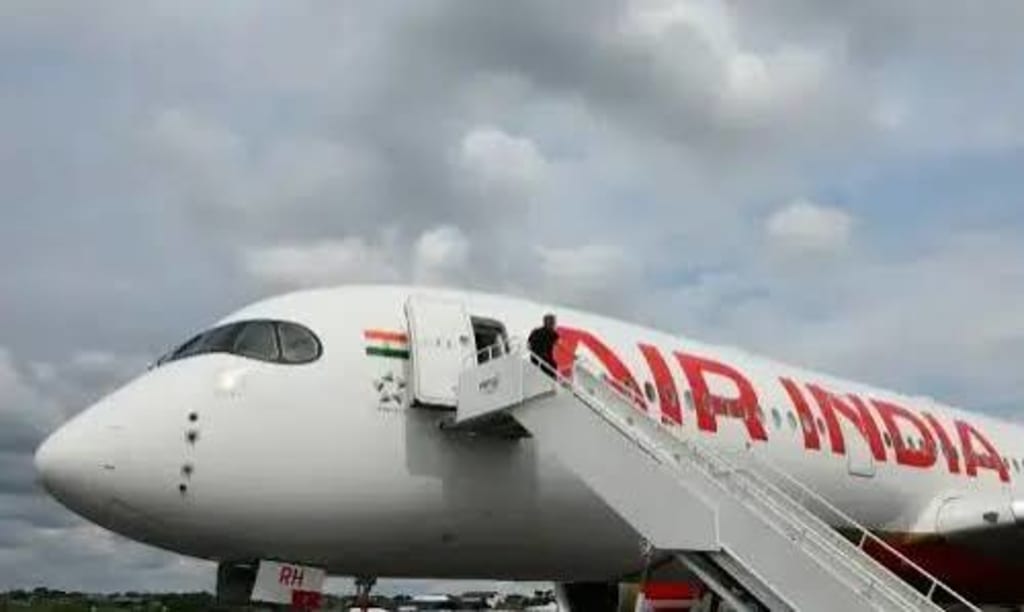
Pakistan has extended the closure of its airspace to all civilian flights originating from or bound for India until March 23, according to a statement from the Pakistan Civil Aviation Authority (PCAA). The decision comes amid ongoing diplomatic tensions between the two countries, affecting commercial aviation, international flight routes, and regional connectivity.
The PCAA cited “operational and safety concerns” as the primary reasons for the extension. The closure, which was initially imposed earlier this month, has forced airlines to reroute flights, resulting in longer journey times, increased fuel costs, and logistical challenges for both Indian and international carriers operating in South Asia.
Impact on Airlines and Passengers
Major carriers, including IndiGo, Air India, and several international airlines, have been significantly affected. Flight schedules have been revised, with planes now taking longer detours over alternative airspaces such as Iran, Afghanistan, and the Arabian Sea.
Industry analysts estimate that the rerouting has added an average of 45 to 90 minutes per flight, increasing operational costs for airlines and causing inconvenience for thousands of passengers. Air cargo operations have also been disrupted, affecting the movement of perishable goods, pharmaceuticals, and other time-sensitive shipments.
Travelers report confusion over flight schedules and heightened ticket prices due to the limited number of alternative routes. Airlines are working to communicate changes and mitigate delays, but sources warn that continued uncertainty may affect tourism, business travel, and trade between the two countries.
Diplomatic Background
The airspace closure occurs in the context of long-standing political tensions between Pakistan and India. Officials in Islamabad have previously cited national security concerns, particularly regarding sensitive border regions, as the rationale for restricting Indian flights.
Indian officials have expressed concern over the extension, emphasizing the impact on civilian travel and international connectivity. A spokesperson for the Ministry of Civil Aviation in India described the move as “regrettable” but reiterated that airlines are adapting to ensure continuity of service for passengers.
International Aviation Response
International organizations, including the International Civil Aviation Organization (ICAO), are monitoring the situation closely. ICAO guidelines emphasize the need for safe and predictable airspace management, and both Pakistan and India are expected to coordinate to minimize disruptions to international flights.
Global carriers are adjusting flight plans and contingency measures to navigate the extended closure. Analysts note that while rerouting adds costs and complexity, the safety of aircraft and passengers remains the overriding priority.
Regional Economic Implications
Airspace closures not only affect passenger travel but also have broader economic consequences. Increased flight times lead to higher fuel consumption, elevated ticket prices, and potential delays in cargo delivery. Business sectors that rely on timely air transport — including trade, tourism, and manufacturing — are particularly vulnerable.
Experts warn that prolonged disruptions could influence bilateral trade volumes, investment flows, and regional connectivity initiatives. Airlines are urging both governments to resume normal air traffic as soon as possible to avoid long-term economic fallout.
Potential for Resolution
While the PCAA has not indicated conditions for lifting the closure before March 23, officials have suggested that ongoing diplomatic consultations may influence the timeline. Both countries have historically used airspace restrictions as part of broader security and policy negotiations, and analysts expect any change to reflect shifts in the political or security environment.
Meanwhile, airlines and international observers are preparing contingency plans in case the closure is extended further. Regional aviation authorities are coordinating to ensure that rerouted flights maintain safety standards and minimize disruption to passengers.
Conclusion
The extension of Pakistan’s airspace closure to Indian aircraft underscores the persistent tension between the two countries and highlights the vulnerability of regional aviation to political developments. As travelers, airlines, and regulators adapt to the new reality, international observers stress the importance of diplomacy and cooperation to ensure the safe and efficient movement of passengers and goods across South Asia.
About the Creator
Fiaz Ahmed
I am Fiaz Ahmed. I am a passionate writer. I love covering trending topics and breaking news. With a sharp eye for what’s happening around the world, and crafts timely and engaging stories that keep readers informed and updated.
Keep reading
More stories from Fiaz Ahmed and writers in The Swamp and other communities.
UK dismisses claims UAE armed Sudan’s RSF
The United Kingdom has formally dismissed recent reports alleging that the United Arab Emirates provided military support to Sudan’s paramilitary Rapid Support Forces (RSF), calling the claims “unsubstantiated” and “misleading.” British officials emphasized that no evidence has been presented to indicate direct UAE involvement in arming or funding the RSF during the ongoing conflict in Sudan. The RSF, a paramilitary organization with roots in the former Janjaweed militias, has been a central actor in Sudan’s civil unrest, particularly during clashes with the regular Sudanese Armed Forces (SAF). International media reports in recent weeks suggested that external actors, including the UAE, were supplying the RSF with weapons and logistical support. These reports have sparked diplomatic tensions and raised questions about the role of Gulf states in the conflict. UK Government Response A spokesperson for the UK Foreign, Commonwealth & Development Office stated, “The UK government has not received verified information to support claims that the United Arab Emirates has armed the RSF. We continue to monitor the situation closely and call on all parties to respect international humanitarian law.” The UK’s dismissal comes amid increased scrutiny of foreign involvement in Sudan. British officials emphasized that while the UAE has strategic interests in the region, attributing direct military support to the RSF without verified intelligence risks inflaming tensions and spreading misinformation. RSF and Regional Dynamics The RSF, commanded by General Mohamed Hamdan Dagalo, has played a critical role in Sudan’s internal conflicts over the past decade. Initially formed to combat rebel groups, the RSF has since expanded into broader paramilitary operations and has been accused of human rights violations in Darfur and other regions. Regional analysts note that the RSF maintains various channels of external support, but distinguishing between direct foreign military aid and commercial arms transactions is complex. Many weapons used by the RSF have been sourced through local arms markets or through indirect transfers from other states. International Implications The UAE has cultivated a prominent role in the Horn of Africa and Sudan, primarily through investments in infrastructure, ports, and energy projects. While critics argue that Gulf states exert political influence, including on security matters, London’s statement seeks to draw a line between commercial-political engagement and direct military involvement. The claims linking the UAE to RSF armament, if unfounded, could have broader diplomatic consequences. London’s dismissal aims to prevent unnecessary escalation, particularly at a time when Sudan is already facing severe humanitarian and security challenges. Media and Information Concerns The circulation of unverified claims has complicated international efforts to address Sudan’s crisis. Both humanitarian organizations and diplomatic actors stress the importance of accurate reporting. Misattributed support for armed groups can influence public perception, shape policy debates, and affect aid operations in conflict zones. UK officials highlighted that media reports should be corroborated with intelligence and verified sources before influencing foreign policy decisions. They also urged the international community to focus on addressing civilian protection, humanitarian access, and conflict resolution rather than speculating on unverified foreign involvement. Humanitarian Context Meanwhile, the humanitarian situation in Sudan remains dire. Civilian populations, particularly in Khartoum and conflict-affected regions, continue to face displacement, shortages of food and medical supplies, and threats from ongoing clashes. International agencies, including the United Nations and the International Committee of the Red Cross, are working to provide relief while navigating the complex security environment. London’s clarification regarding the UAE and RSF is intended to ensure that international relief and diplomatic initiatives can proceed without the complications of disputed claims about foreign intervention. Conclusion The UK’s official dismissal underscores the need for caution in attributing foreign military involvement in Sudan. While regional powers maintain political and economic stakes in the country, claims of direct arming of paramilitary groups must be carefully verified. As the conflict continues, accurate intelligence and responsible reporting remain essential to supporting peace efforts and protecting civilians.
By Fiaz Ahmed a day ago in The Swamp
Why Black History Matters in America?
The United States of America is celebrating their 250th anniversary in 2026. I'm proud to be an American and as someone who was born here, I wouldn't imagine myself living anywhere else. This is a country where opportunities are possible. Where anyone can be successful in anything they desire to do. Equality, community, and togetherness are the backbones of what America is and should be about. However, we have an administration who wants to erase and disregard those who have made positive, meaningful impacts in our country, specifically Black figures, such as Martin Luther King, Jr., Rosa Parks, and Maya Angelou. President Trump and his administration have been constantly complaining and fighting against what they call the "Woke agenda". They use this excuse as a distraction from other issues they refuse to address, such as the high cost of living, climate change, and inflation. That equality is dividing America, when in reality, it's bringing us together. Being woke is not tied to a specific political party. No matter where you stand on the political spectrum, you can still care about other people and their plights. Compassion and empathy for others isn't tied to a political party, either. We were taught as children to treat others the way we want to be treated and not judge others because they're different from us. Caring about others isn't a personal attack on your beliefs. It doesn't make you any less of a person. People who are easily offended over African American figures, past or present, or anything related to it, are grasping at straws. Current and future generations need to know who people like Harriet Tubman and Shirley Chisholm were, especially in the classroom. Black History is part of American History. It should be recognized, not hidden or forgotten. Besides, you can't shield children from everything, just because your feelings are easily hurt.
By Mark Wesley Pritchard 19 days ago in The Swamp


Comments
There are no comments for this story
Be the first to respond and start the conversation.