
Nuclear Submarine Arms Race Heats Up Between North and South Korea
Underwater military ambitions signal a dangerous new phase in tensions on the Korean Peninsula

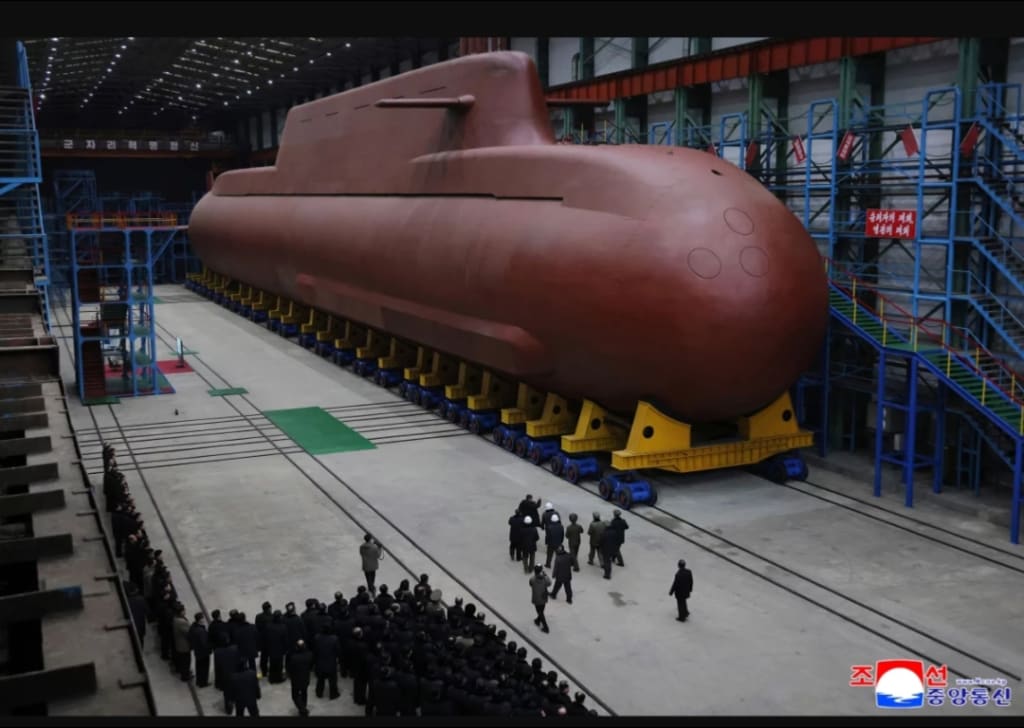
The long-standing rivalry between North and South Korea has entered a new and potentially more dangerous phase as both nations accelerate efforts to develop and deploy submarine-based military capabilities, including vessels linked to nuclear weapons systems. What was once a conflict defined largely by land-based missiles and border skirmishes is now extending deep beneath the sea.
The growing focus on submarines reflects a broader shift in modern warfare, where underwater platforms are prized for their stealth, survivability, and second-strike potential. For the Korean Peninsula — already one of the world’s most heavily militarized regions — this development has raised alarms among regional powers and global security analysts alike.
Why Submarines Matter in Modern Warfare
Submarines, particularly those capable of launching ballistic missiles, are considered one of the most effective deterrence tools in modern military doctrine. Unlike fixed missile silos or mobile launchers, submarines can remain hidden for extended periods, making them extremely difficult to track or neutralize.
For countries seeking to strengthen their deterrence posture, submarine-launched weapons offer a strategic advantage: the assurance that retaliation remains possible even after a first strike. This concept, often referred to as second-strike capability, lies at the heart of nuclear deterrence theory.
On the Korean Peninsula, where tensions can escalate rapidly, the introduction of more advanced submarine forces adds a new layer of unpredictability.
North Korea’s Underwater Ambitions
North Korea has long pursued weapons programs despite international sanctions, and its submarine fleet has increasingly become part of that strategy. In recent years, Pyongyang has unveiled upgraded submarines and tested submarine-launched ballistic missiles (SLBMs), signaling its intention to expand nuclear delivery options beyond land-based systems.
While experts debate the operational readiness of North Korea’s submarine force, there is little doubt about its intent. Even a limited SLBM capability complicates regional defense planning, forcing adversaries to account for threats that could originate from multiple directions at sea.
North Korean leadership has framed these developments as defensive, arguing they are necessary to counter perceived threats from the United States and its allies. Critics, however, view them as destabilizing steps that increase the risk of miscalculation.
South Korea’s Strategic Response
South Korea has not remained idle. In response to North Korea’s advancements, Seoul has invested heavily in its own advanced submarine fleet, including domestically built vessels capable of launching precision missiles.
Unlike North Korea, South Korea does not possess nuclear weapons. However, its submarines are designed to deliver powerful conventional strikes and enhance deterrence through technological superiority and close coordination with allies, particularly the United States.
South Korean officials argue that strengthening naval and underwater capabilities is essential for national defense. Submarines provide flexibility, intelligence-gathering advantages, and a credible response option without escalating directly to nuclear confrontation.
The Role of Nuclear Deterrence
The arms race between the two Koreas cannot be separated from the broader issue of nuclear deterrence. North Korea’s pursuit of nuclear-capable submarines raises concerns about command-and-control reliability and the potential for accidental escalation.
Submarine-based systems reduce warning time and increase uncertainty during crises. In a region where political rhetoric can shift quickly, this compressed decision-making window heightens the risk of unintended conflict.
International security experts warn that as underwater capabilities expand, communication failures or misinterpretations could have catastrophic consequences.
Regional and Global Implications
The submarine competition between North and South Korea does not exist in isolation. Neighboring powers such as China, Japan, and Russia, as well as the United States, are closely monitoring developments.
Japan has already begun enhancing its own naval defenses, while the United States continues joint military exercises with South Korea aimed at countering submarine threats. China, meanwhile, has called for restraint, even as it expands its own naval reach.
The Korean Peninsula sits at the crossroads of major geopolitical interests, and any shift in military balance has ripple effects far beyond its shores.
Diplomacy Struggles to Keep Pace
Diplomatic efforts to reduce tensions have struggled to match the speed of military developments. Talks between North Korea and international partners have stalled, while trust between Pyongyang and Seoul remains fragile.
Analysts note that arms races often gain momentum precisely when dialogue breaks down. As each side seeks to avoid strategic disadvantage, investments in new weapons systems become politically easier than compromises at the negotiating table.
Without renewed diplomatic engagement, the submarine buildup risks becoming a permanent feature of regional security dynamics.
What Comes Next
As both Koreas continue to refine their underwater capabilities, the question is no longer whether submarines will play a central role in future tensions — but how the world will manage the risks they introduce.
Military modernization may offer deterrence, but it also increases complexity and danger. For civilians on both sides of the peninsula, the hope remains that technological escalation does not translate into real-world conflict.
The nuclear submarine arms race between North and South Korea is a stark reminder that while weapons may evolve, the need for dialogue, restraint, and long-term solutions remains as urgent as ever.
About the Creator
Asad Ali
I'm Asad Ali, a passionate blogger with 3 years of experience creating engaging and informative content across various niches. I specialize in crafting SEO-friendly articles that drive traffic and deliver value to readers.
How US Forces Seized Two Ghost Fleet Tankers on Opposite Sides of the Atlantic
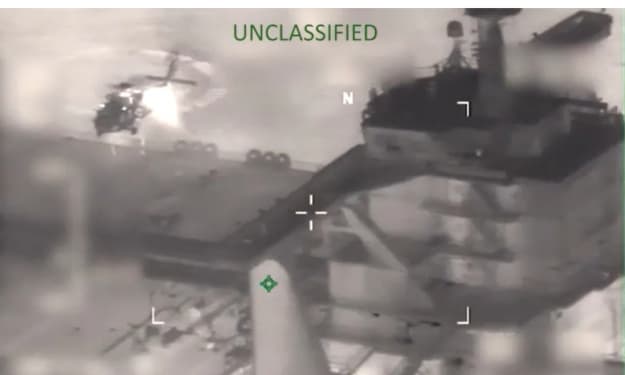
In a dramatic display of maritime enforcement, US forces seized two so-called “ghost fleet” oil tankers on opposite sides of the Atlantic, underscoring Washington’s increasingly aggressive efforts to crack down on sanctions evasion. The coordinated actions, carried out thousands of miles apart, reveal how the United States is expanding its reach to disrupt shadow shipping networks that have quietly kept sanctioned oil flowing across global markets.
By Aarif Lashari3 days ago in The Swamp
The Ritual of Winter Challenge Winners
Welcome to the Winners Announcement for The Ritual of Winter challenge. This prompt focused on winter rituals and the meaning that settles into them over time. The top pieces stay grounded in ordinary acts and repeated routines, letting winter shape the work through pace, attention, and restraint.
By Vocal Curation Team2 days ago in Resources



Comments
There are no comments for this story
Be the first to respond and start the conversation.