
Nigerian Naira: History, Value, and Economic Impact
Discover the history, value, and challenges of the Nigerian Naira (₦). All about banknotes, coins, exchange rates, and its economic impact.

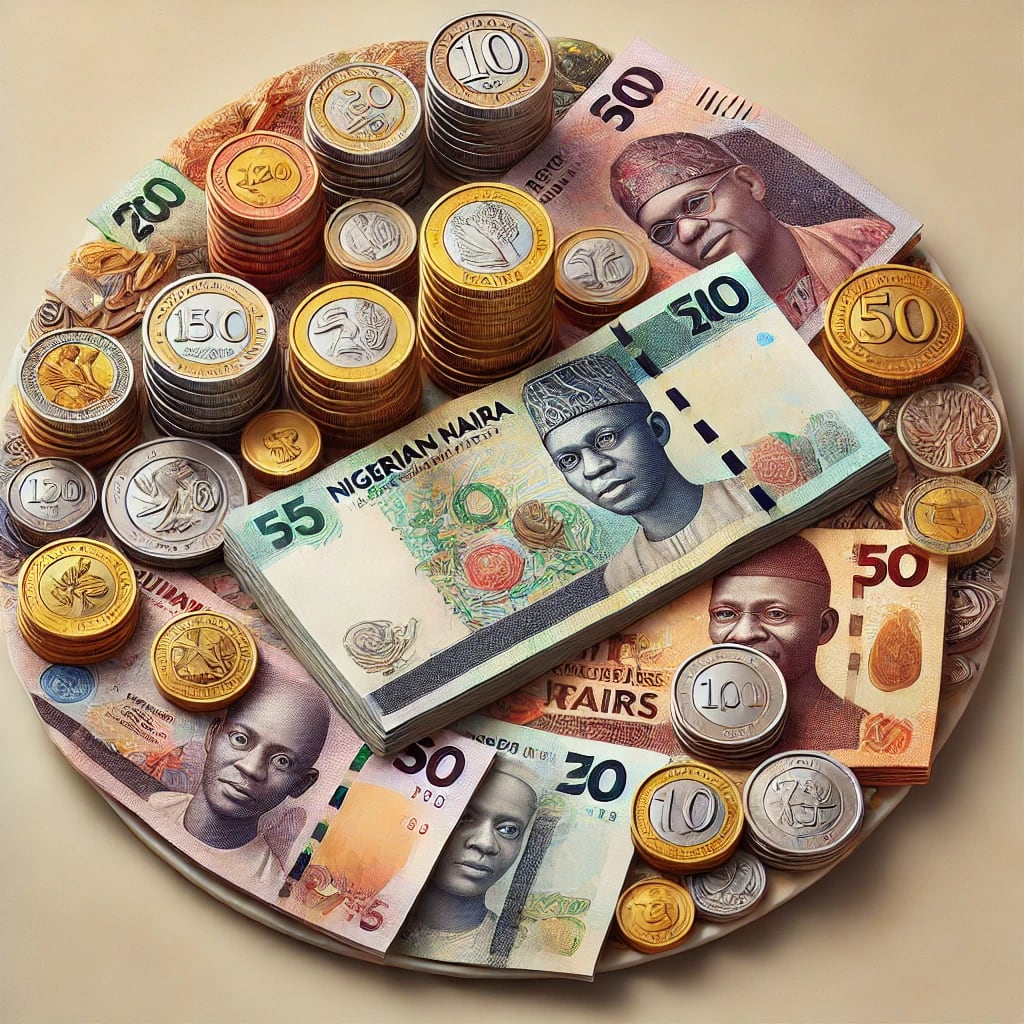
Nigeria, the most populous country in Africa, has a rich economic history, with its national currency, the Naira (₦), playing a crucial role in the country's financial system. Introduced in 1973, the Naira replaced the British Pound as Nigeria's official currency. Over the years, the Naira has undergone several changes, including redesigns, new denominations, and monetary policies aimed at stabilizing its value.
This article provides a comprehensive look at the Nigerian currency, including its history, denominations, value, and impact on the economy.
History of the Nigerian Naira
Before the introduction of the Naira, Nigeria used the British Pound Sterling (£) due to its colonial history. However, to establish economic independence, the Nigerian government introduced the Naira on January 1, 1973. One Naira was equivalent to ten shillings under the old currency system.
Over time, Nigeria's Central Bank introduced various denominations to accommodate the country's growing economy and inflation rates. Initially, only coins and banknotes up to ₦20 were in circulation, but as inflation increased, higher denominations such as ₦50, ₦100, ₦200, ₦500, and ₦1,000 were introduced.
Current Banknotes and Coins in Circulation
As of today, the Nigerian Naira consists of both banknotes and coins. The banknotes currently in circulation include:
- ₦5 – Features Alvan Ikoku, a notable Nigerian educationist.
- ₦10 – Features Dr. Alvan Ikoku and depicts economic activities.
- ₦20 – Features General Murtala Mohammed, a former Nigerian Head of State.
- ₦50 – Depicts traditional farmers and fishermen.
- ₦100 – Features Chief Obafemi Awolowo, a prominent nationalist.
- ₦200 – Depicts Sir Ahmadu Bello, a major political figure.
- ₦500 – Features Dr. Nnamdi Azikiwe, Nigeria’s first President.
- ₦1,000 – Depicts Alhaji Aliyu Mai-Bornu and Clement Isong, past governors of the Central Bank.
The coins in circulation include:
- 50 Kobo (₦0.50)
- ₦1 coin
- ₦2 coin
However, due to inflation and a decline in purchasing power, coins are rarely used in daily transactions.
Naira Exchange Rate and Economic Impact
The value of the Naira has fluctuated over the years due to economic factors such as inflation, foreign exchange policies, and global market trends. The exchange rate of the Naira against foreign currencies like the US Dollar (USD), British Pound (GBP), and Euro (EUR) significantly impacts the Nigerian economy.
As of recent years, the Naira has faced depreciation due to inflation, high import dependence, and lower oil prices—Nigeria's major source of foreign exchange. The Central Bank of Nigeria (CBN) has implemented various measures, including forex restrictions and currency redesign policies, to stabilize the Naira.
Currency Redesign and Cashless Policy
In 2022, the Central Bank of Nigeria announced a currency redesign policy, unveiling new versions of the ₦200, ₦500, and ₦1,000 notes. The policy aimed to reduce counterfeiting, control excess money in circulation, and encourage a shift towards a cashless economy.
Additionally, Nigeria has been promoting digital transactions through mobile banking, fintech solutions, and the introduction of the eNaira, a digital currency launched by the CBN in 2021 to complement physical cash.
Challenges Facing the Nigerian Naira
Despite efforts to stabilize the Naira, several challenges persist:
- Inflation – Rising inflation reduces the purchasing power of the Naira.
- Forex Dependency – Heavy reliance on imports increases the demand for foreign currencies, weakening the Naira.
- Currency Counterfeiting – Though redesigns help combat fake notes, counterfeiting remains a problem.
- Economic Instability – Political and economic uncertainty affects investor confidence in the Naira.
- Low Production Capacity – Nigeria’s over-reliance on crude oil exports and weak local production affect currency value.
Future of the Nigerian Currency
The future of the Naira depends on strong economic policies, diversification of the economy, and effective monetary management. The adoption of digital payment systems, improved local production, and reduction in forex dependency could strengthen the Naira’s value.
In conclusion, the Nigerian Naira remains a significant symbol of the country’s economy and sovereignty. While it faces numerous challenges, proactive government policies, economic diversification, and digital financial inclusion could help stabilize and improve its value in the long run.
About the Creator
Minecraft APK Download (Android, Pro Unlocked)
Fast free Minecraft APK Download for Android. Get Minecraft Pocket Edition, mods, and the latest version. Enjoy building and exploring in Minecraft PE. NBS Reborn APK.
Keep reading
More stories from Minecraft APK Download (Android, Pro Unlocked) and writers in The Swamp and other communities.
IRS Tax Refunds 2025: Everything You Need to Know
As the tax season approaches, millions of Americans are eager to receive their tax refunds. Understanding the IRS refund schedule, how to check my refund, and where's my refund IRS updates can help taxpayers plan their finances effectively.
By Minecraft APK Download (Android, Pro Unlocked)about a year ago in The Swamp
A Gathering of Evil Bosses
“I’m the queen of chin jutting while I smooth my hair, attacking, insulting, and deflecting to protect my appointer.” “Oh, please, Blondi, my hair is curled, highlighted, and longer than yours. I feature television commercials telling immigrants that we will give them a free plane ride home, and if they voluntarily turn themselves in, they will be allowed to legally apply for re-entry. It runs everywhere, and I look good in it! You can’t compete because of your blond hair. Mine is nicer, and my lips are prettier than yours.”
By Andrea Corwin 22 days ago in The Swamp
Becca
"Everything is so... flat." Denille said stupidly as she looked around her new neighborhood. She looked around at the muted desert where even the smallest sign of life seemed to have given up. The plant life was shrubs that were half cooked by the heat and where there should have been a lawn, a mess of white rocks laid glistening in the sun. Even the sky looked stretched thin, like the sun had ironed it smooth. She’d moved from Riverside, where at least there were hills, but here in Barstow, everything felt baked and brittle.
By Sara Wilson7 days ago in Fiction




Comments
There are no comments for this story
Be the first to respond and start the conversation.