
National Shutdown: What It Means, Why It Happens, and How It Impacts Daily Life
From government paralysis to economic disruption, understanding the real consequences of a national shutdown

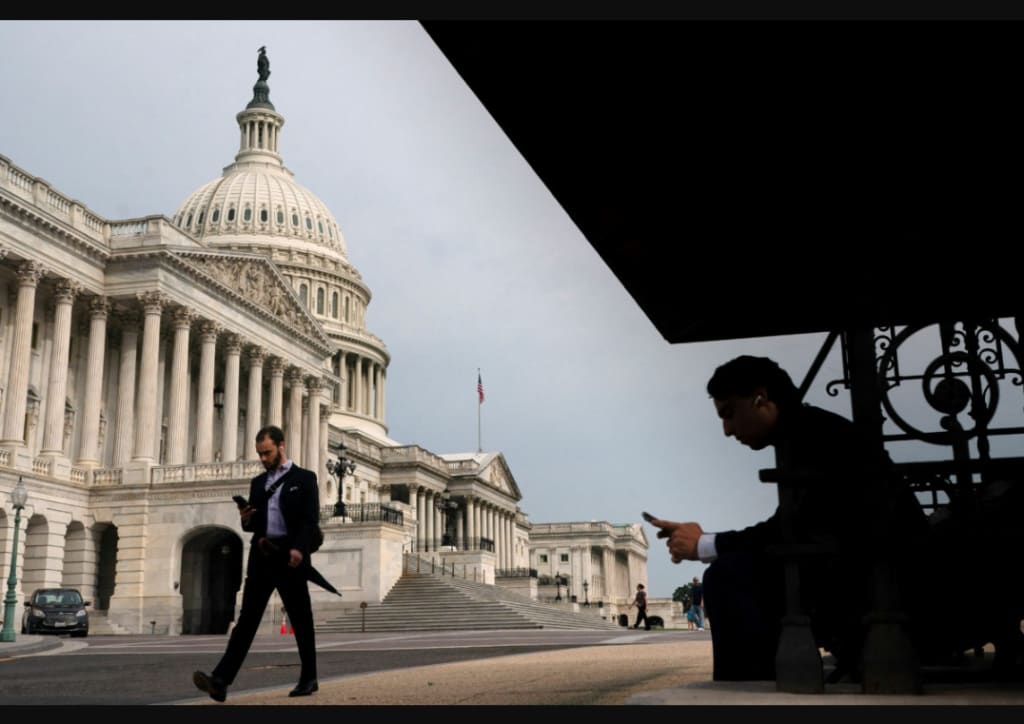
The term national shutdown has become increasingly common in headlines, social media discussions, and political debates. Whether triggered by government funding disputes, widespread protests, labor strikes, or national emergencies, a national shutdown can disrupt everyday life and create uncertainty for millions of people.
But what exactly is a national shutdown, and why does it matter so much?
This article breaks down the meaning of a national shutdown, the reasons it occurs, and its short- and long-term impacts on the economy, government services, and ordinary citizens.
What Is a National Shutdown?
A national shutdown refers to a large-scale halt or severe disruption of normal operations across a country. It can involve:
Closure of government offices
Suspension of public services
Work stoppages or strikes
Economic slowdowns
Travel and infrastructure disruptions
Unlike a localized shutdown, a national shutdown affects multiple sectors simultaneously, often with ripple effects across society.
Common Causes of a National Shutdown
National shutdowns can occur for several reasons, depending on political, economic, or social conditions.
1. Government Funding Deadlocks
One of the most common causes is a government shutdown, when lawmakers fail to pass a budget or funding bill. This can result in:
Federal agencies closing
Public employees being furloughed
Essential services operating with limited capacity
2. Mass Protests or Civil Unrest
Large-scale demonstrations can lead to shutdowns of transportation systems, businesses, and government buildings. Protest-led shutdowns are often used to pressure authorities into policy changes.
3. Labor Strikes
Nationwide strikes by workers in key industries—such as transportation, healthcare, or education—can effectively shut down large parts of a country’s infrastructure.
4. National Emergencies
Pandemics, natural disasters, or security threats may force governments to impose shutdowns to protect public safety, as seen during COVID-19 lockdowns.
How a National Shutdown Affects the Economy
The economic consequences of a national shutdown can be severe and immediate.
Businesses lose revenue, especially small and medium enterprises
Stock markets react negatively to uncertainty
Supply chains are disrupted, affecting food, fuel, and consumer goods
Workers face lost wages or layoffs
Even short shutdowns can cost billions of dollars, while prolonged shutdowns may push economies toward recession.
Impact on Government Services
During a national shutdown, government operations are often reduced to essential services only.
Services that may be affected include:
Passport and visa processing
Social services and welfare programs
Regulatory oversight
Public education and research
Emergency services such as hospitals, police, and military typically continue operating, but often under strain.
How a National Shutdown Affects Ordinary People
For citizens, the effects are deeply personal.
Delayed paychecks for public workers
Reduced access to government assistance
School closures and childcare challenges
Travel delays and canceled services
The uncertainty surrounding a shutdown often creates stress and anxiety, particularly for low-income households and hourly workers.
Political Consequences of a National Shutdown
National shutdowns often have long-term political repercussions.
Public trust in government declines
Approval ratings for political leaders may drop
Shutdowns become central campaign issues
Calls for reform and compromise intensify
In many cases, shutdowns highlight systemic weaknesses in governance and political cooperation.
Media and Social Media Influence
In the digital age, national shutdowns are amplified by 24/7 media coverage and social platforms. Hashtags, viral videos, and live updates can shape public perception—sometimes escalating tensions or spreading misinformation.
Accurate reporting and official communication become critical to preventing panic and confusion.
Can a National Shutdown Be Avoided?
While not all shutdowns are preventable, experts suggest several ways to reduce their likelihood:
Stronger bipartisan negotiation mechanisms
Emergency funding safeguards
Transparent communication with the public
Early conflict resolution in labor disputes
Countries with contingency planning and crisis-management frameworks tend to recover faster.
Conclusion
A national shutdown is more than a political headline—it is a major event that affects economies, governments, and everyday lives. Whether caused by political deadlock, protests, strikes, or emergencies, shutdowns expose the interconnected nature of modern societies.
Understanding how and why national shutdowns happen helps citizens stay informed, prepared, and engaged. As global challenges continue to grow, the ability of governments to prevent or manage shutdowns will remain a critical test of leadership and resilience.
About the Creator
Asad Ali
I'm Asad Ali, a passionate blogger with 3 years of experience creating engaging and informative content across various niches. I specialize in crafting SEO-friendly articles that drive traffic and deliver value to readers.
US Issues License for Oil Companies to Operate in Venezuela
The United States has taken a significant step toward reopening economic ties with Venezuela by issuing a new general license that allows American oil companies to operate in the South American nation’s long‑struggling petroleum sector. This move marks a notable easing of sanctions that previously restricted U.S. corporate involvement and underscores a dramatic shift in U.S.–Venezuela relations. � Reuters Under the authorization, issued by the U.S. Treasury Department’s Office of Foreign Assets Control (OFAC), U.S. firms are permitted to engage in a broad range of activities tied to Venezuelan crude — including purchasing, transporting, storing, refining, and selling Venezuelan‑origin oil. � Reuters What the New License Allows — and Limits The newly issued license expands on earlier, more limited authorizations. Instead of narrowly defined approvals for specific companies, the broad authorization permits any established U.S. entity to engage in downstream oil operations involving Venezuelan crude. This includes: Buying and selling Venezuelan‑origin crude in global markets Transporting and storing Venezuelan oil Refining Venezuelan crude in U.S. facilities or abroad However, the license does not extend to upstream oil production within Venezuela itself, meaning drilling or extraction remains restricted, and U.S. involvement in direct oil production remains tightly regulated. � finance.yahoo.com It also maintains numerous restrictions: transactions involving individuals or companies tied to China, Russia, Iran, North Korea, or Cuba remain prohibited. These conditions reflect Washington’s broader geopolitical stance, even as it seeks to channel more Venezuelan oil into U.S. and allied markets. � EL PAÍS English Why This Change Is Significant For decades, Venezuela — which holds some of the world’s largest proven oil reserves — suffered from a combination of political turmoil, mismanagement, and strict U.S. sanctions that stifled production and foreign investment. Under longstanding sanctions regimes, many international energy companies pulled back, and output dropped precipitously. � Reuters The latest U.S. action reflects a broader shift in policy following the U.S. capture of former Venezuelan President Nicolás Maduro and the installation of an interim government under Delcy Rodríguez. The change indicates Washington’s interest in revitalizing Venezuela’s oil sector while exerting influence over how oil revenues and operations are managed moving forward. � Reuters Venezuela’s Own Legal Reforms In parallel with the U.S. licensing move, Venezuela’s National Assembly passed sweeping reforms to its hydrocarbons law — ending decades of tight state control and monopolies in oil operations. The reforms allow private and foreign companies more autonomy and introduce new contractual and investment protections, including independent arbitration. � The Guardian The legislative changes represent one of the most dramatic shifts in more than 20 years of Venezuela’s oil policy, which historically centered on state dominance through PDVSA, the national petroleum company. In many areas governed by the new law, foreign firms can now negotiate contracts directly, potentially unlocking investment and technical expertise long absent from the sector. � AP News U.S.–Venezuela Oil Trade Begins to Restart Early indicators already show a tentative re‑engagement of U.S. firms with Venezuelan crude. For example, Citgo Petroleum — historically tied to Venezuela’s state oil company — purchased a Venezuelan crude cargo recently, the first such deal since 2019. The transaction signals a gradual normalization of U.S. access to Venezuelan energy resources. � Reuters Meanwhile, U.S. energy and trading giants like Vitol and Trafigura have also received licenses to load and export Venezuelan oil, a sign that the U.S. is seeking to cultivate new commercial frameworks for Venezuelan crude in global markets. � Reuters Political and Economic Backdrop This licensing decision comes amid broader efforts to restore diplomatic and economic engagement. In recent weeks, the U.S. announced plans to reopen commercial airspace and ease certain travel restrictions with Venezuela, further signaling a thaw in relations after years of sanctions and political standoffs. � wsj.com However, domestic reactions in both countries remain mixed. Some Venezuelans welcome the potential economic benefits of revitalized oil exports and foreign investment, while critics stress that deeper democratic and institutional reforms are necessary to ensure transparent governance and equitable growth. Analysts also warn that legal uncertainties and lingering political tensions could slow investment. � MercoPress Global Energy Market Implications If U.S. companies increase involvement in Venezuelan oil logistics and refining, it could have significant implications for global energy markets: Increased supply of heavy crude for U.S. Gulf Coast refineries Greater competition with producers in the Middle East and Africa Shifts in pricing dynamics for certain oil grades historically underserved in the U.S. The policy also plays into broader geopolitical competition, especially in regions where Russian and Chinese energy interests have previously filled the vacuum in Venezuela due to sanctions. By tightening restrictions on transactions with entities tied to those countries, the U.S. is shaping both commercial and strategic outcomes. � finance.yahoo.com Challenges and Uncertainties Ahead Despite the positive momentum, serious hurdles remain: Legal and Regulatory Risks Investors have pointed to uncertainties in Venezuelan legal frameworks and contract enforcement mechanisms as potential deterrents to long‑term capital commitments. The recent reforms are a step forward, but experts say further clarity and stability will be necessary to attract sustained foreign investment. � MercoPress Sanctions and Geopolitics While the U.S. has eased some restrictions, broader sanction regimes remain in place. Upstream operations are still constrained, and companies must navigate complex compliance requirements. Any changes in U.S. political leadership or policy priorities could also alter the regulatory landscape, raising investment risk. � EL PAÍS English Market Realities Venezuela’s oil infrastructure has suffered years of underinvestment, and production levels remain far below historical peaks. Rebuilding capacity will require heavy investment, technical know‑how, and time — even with legal and political frameworks improved. � Reuters Conclusion: A Strategic Opening in U.S.–Venezuela Energy Relations The issuance of a new license allowing U.S. oil companies to operate in Venezuela is a major development in energy and foreign policy. It reflects a broader shift toward engagement and economic integration after years of sanctions and strained relations. While the full impact will unfold over time, this step could signal the beginning of a new chapter in Venezuela’s oil sector and its ties with the United States — with potential benefits for markets, companies, and consumers alike.
By Zahid Hussain2 days ago in The Swamp
Instructions Included Challenge Winners
For the Instructions Included challenge, we asked writers to tell a story through instructions and to trust the form to carry what could not be said outright. Across the top entries, that trust paid off in many different ways.
By Vocal Curation Team4 days ago in Resources


Comments
There are no comments for this story
Be the first to respond and start the conversation.