
Muscat and the Limits of Iran-US Diplomacy
Deep mistrust and regional tensions constrain hopes for a diplomatic breakthrough Neutral ground cannot bridge widening strategic divides between Tehran and Washington Oman hosts talks as nuclear disputes and geopolitics stall progress Why quiet negotiations in Muscat reveal the fragility of Iran-US relations Indirect dialogue highlights both the promise and limits of Middle East diplomacy

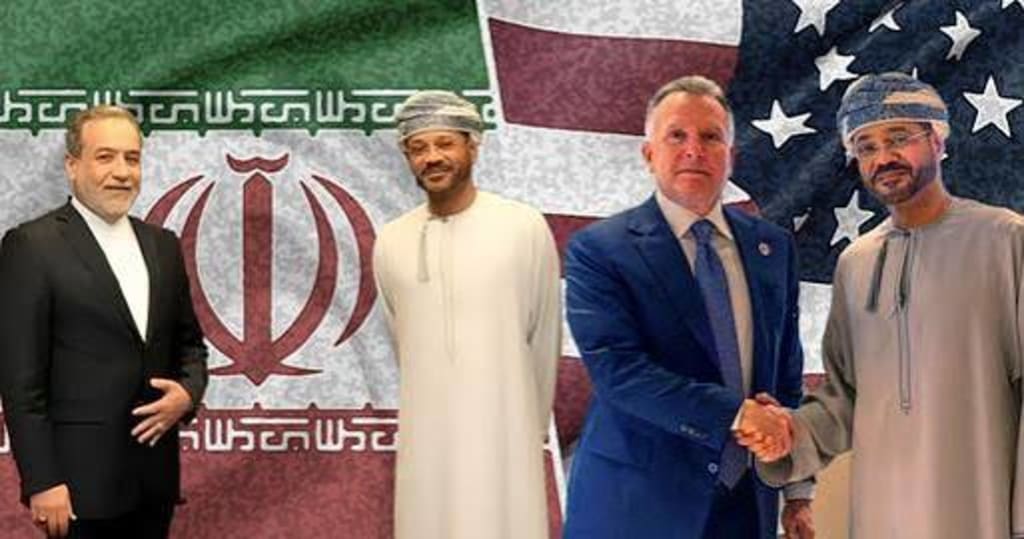
Diplomacy between the United States and Iran has once again converged on Muscat, the capital of Oman — a neutral site long suited for delicate talks — but the scope and expectations of the negotiations reveal how constrained the process remains. As indirect talks are scheduled to resume in Muscat this week, analysts and diplomats alike question whether the venue can overcome the deep mistrust and strategic differences that have long defined Iran-US relations.
Muscat: A Neutral Meeting Ground
Oman’s capital has emerged repeatedly over the past decade as a mediation hub for Iran and the United States. Unlike venues seen as more explicitly aligned with Western or regional powers, Muscat offers both sides a neutral environment that avoids overt symbolism. That neutrality has helped keep lines of communication open even in otherwise bleak moments.
fm.gov.om
In the current round, Iranian Foreign Minister Abbas Araghchi confirmed that nuclear negotiations with the U.S. will be held in Muscat, underscoring Oman’s continued diplomatic relevance. Iranian authorities publicly thanked their Omani counterparts for facilitating the talks and providing the space for dialogue, again highlighting the city’s role as a discreet intermediary.
But while the choice of Muscat might lower the temperature compared to other capitals, it does little to resolve the fundamental differences between Tehran and Washington.
Agenda Disagreements Reflect Deep Distrust
The talks themselves are narrow in scope and cautious in ambition. Tehran has insisted that the discussions focus strictly on its nuclear programme and nothing else — excluding issues such as missile development, regional proxy activity, and internal governance. That stance underscores Iran’s view that broader demands risk compromising its core strategic interests.
roic.ai
Washington, however, has sought to expand the agenda. U.S. officials have publicly suggested that ballistic missiles and Iran’s regional posture should be included alongside nuclear issues. That broader agenda, according to critics, reflects mounting pressure from allied capitals — notably Israel — that view a narrow nuclear focus as insufficient.
Dawn
The U.S. insistence on tackling multiple security concerns simultaneously has been one of the main sticking points that nearly derailed talks before they arrived in Muscat. Iranian negotiators balked at such demands, regarding them as indirect pressure tactics rather than genuine diplomacy.
Dawn
Domestic and Regional Pressures
Part of the difficulty stems from internal political divides on both sides. In the United States, figures such as Secretary of State Marco Rubio have articulated a hawkish approach, arguing that any meaningful agreement must address Iran’s missile capabilities and regional alliances as well as its nuclear programme. This stance reflects internal political pressure in Washington to adopt a comprehensive view of Iran’s influence.
Dawn
Tehran, meanwhile, remains wary of conceding on anything that it perceives as core to its deterrence strategy. Iranian officials privately argue that agreeing to broader topics would invite further demands once one issue is settled. Observers note Tehran’s longstanding concern that concessions in one area — such as nuclear enrichment — would simply shift the focus of pressure to missiles or other strategic capabilities.
Dawn
The result is a diplomatic standoff where both sides claim to desire peace and stability but remain deeply cautious about making compromises perceived as weakening their negotiating positions.
Muscat’s Role: Bridge or Band-Aid?
Oman’s efforts to host talks and facilitate communication are widely recognised diplomatically, but the choice of Muscat also reflects the limited options available. When direct dialogue is politically or symbolically difficult — as it has been almost continuously since the 1979 Iranian Revolution — a neutral venue becomes essential to even keep talks alive.
fm.gov.om
However, the fact that indirect talks are used — with delegations in separate rooms communicating via intermediaries — suggests that trust remains minimal. This format has been a staple of past rounds, where neither side is willing to engage in direct, face-to-face negotiation.
Anadolu Ajansı
The indirect nature of the discussions underlines a broader limitation: even when diplomacy is possible, it is tightly controlled, with both sides wary of entering a process that could be seen domestically as capitulation. That tension is part of why expectations for Muscat are modest, even cautious.
Dawn
External Influences and Broader Tensions
Another factor limiting Muscat diplomacy is the broader geopolitical context. Regional anxieties, particularly regarding Israeli military actions and the Israel-Iran rivalry, have influenced both U.S. and Iranian calculations. Gulf states — for whom any conflict between Iran and America would have immediate repercussions — have a vested interest in de-escalation. Yet those same regional tensions complicate negotiations.
Dawn
Analysts such as Trita Parsi of the Quincy Institute argue that U.S. policy is influenced not solely by direct national interest but also by the strategic priorities of allies like Israel, which continues to advocate for confrontation rather than compromise. Pursuing such policy directions further limits the diplomatic room for manoeuvre.
Dawn
Modest Goals, Significant Risks
Despite the difficulties, both sides appear committed to keeping the talks alive for now, even if only as a mechanism to manage tensions rather than resolve them comprehensively. Tehran has taken small confidence-building steps, such as postponing military exercises in the Persian Gulf and lowering the intensity of rhetoric around missile programmes.
Dawn
Washington, too, is maintaining a diplomatic track while visibly reinforcing its military posture in the region, as seen by the continued presence of American forces and carrier groups in nearby waters. These simultaneous push-and-pull strategies underscore the fundamental duality of current policy: seek engagement while preparing for confrontation if diplomacy fails.
Conclusion: A Diplomatic Path with No Clear End
Muscat remains, for now, the centre stage of U.S.-Iran diplomacy — but the limitations of these talks are stark. Venue and format can create space for conversation, but they cannot by themselves bridge the deep mistrust, conflicting national interests, and regional pressures that underpin the standoff.
Dawn
What is clear is that both Tehran and Washington are using diplomacy not as an endpoint but as a way to manage risk and project strategic posture. Muscat’s role will continue to be significant as long as neither side is prepared to confront the core issues directly in a more robust negotiating framework — a situation that leaves the future of U.S.-Iran relations as uncertain as ever.
About the Creator
Fiaz Ahmed
I am Fiaz Ahmed. I am a passionate writer. I love covering trending topics and breaking news. With a sharp eye for what’s happening around the world, and crafts timely and engaging stories that keep readers informed and updated.
Keep reading
More stories from Fiaz Ahmed and writers in The Swamp and other communities.
Questions After Iran’s Government Releases Victim List in Protest Killings
In a move that has sparked both surprise and suspicion, the Iranian government has released an official list of individuals killed during the widespread protests that erupted across the country. The release of the list, which was issued by the Ministry of the Interior, comes after weeks of international pressure and public outcry over the brutal crackdown on demonstrators. However, questions abound regarding the accuracy of the list and the government’s motivations behind the release. The Official List: Who’s Included and Who’s Missing? The Iranian authorities have confirmed the names of over 200 individuals who were reportedly killed during protests that erupted in September, following the death of Mahsa Amini in police custody. The protests, which began as a response to Amini's tragic death, quickly escalated into widespread demonstrations calling for greater freedoms, women’s rights, and political reforms. However, the release of the victim list has been met with skepticism. Human rights organizations have pointed out discrepancies, noting that the number of confirmed deaths is far lower than the estimates from independent sources. The government’s list includes individuals who were allegedly killed by “rioters” or “foreign agents” but does not account for those who were reportedly killed by security forces during the crackdown. “There is no transparency in this list,” said one human rights activist based in Tehran, who spoke on condition of anonymity. “The list released by the government only includes the names of people who died in circumstances that fit their narrative. It conveniently omits those killed by the authorities themselves, which could easily number in the hundreds.” Independent reports, including those from international organizations such as Amnesty International and Human Rights Watch, claim that the actual number of victims is far higher. They assert that the Iranian government’s actions in suppressing dissent—including the use of live ammunition, mass arrests, and torture—has led to a much higher toll than what has been publicly acknowledged. The Political Motivation Behind the List The release of the victim list is widely seen as part of the Iranian government's strategy to control the narrative surrounding the protests. By publishing a carefully curated list of names, the government appears to be trying to shape the conversation around the protests, framing them as the result of foreign interference and criminal violence rather than addressing the underlying issues of governmental repression and systemic injustice. “This list is a clear attempt by the regime to exonerate itself and redirect blame onto external forces,” said a political analyst who has closely monitored the protests. “By labeling the protestors as agents of foreign powers and presenting these deaths as part of the wider ‘enemy agenda,’ the government is hoping to legitimize its crackdown.” The Iranian authorities have frequently accused foreign governments, including the United States and European nations, of orchestrating unrest in the country. Tehran has also claimed that the protests were fomented by anti-revolutionary elements within the country, though there is little evidence to support these claims. The government’s insistence on casting the protests in this light stands in stark contrast to the demands of the protesters themselves, who have called for an end to restrictions on freedom of expression, the right to free assembly, and greater protections for women. The tragic death of Mahsa Amini served as a catalyst for the unrest, but many have emphasized that the protests represent a long-standing desire for political reform and social justice. International Reactions and Criticism The international community’s response to the release of the victim list has been swift and critical. Several foreign governments and human rights organizations have called for an independent, international investigation into the deaths and the government’s violent suppression of the protests. While some Western countries have sanctioned Iran’s leadership and officials, the Iranian government continues to reject outside intervention, framing the protests as an internal issue. “There must be a thorough and independent investigation into the deaths of these protesters,” said Agnes Callamard, the Secretary-General of Amnesty International. “The Iranian authorities have shown a complete disregard for human rights in their brutal treatment of peaceful protesters. The release of this list is insufficient and does not bring us any closer to accountability.” In the United States, lawmakers and human rights advocates have expressed outrage over the killings and the government’s continued crackdown on dissent. “The Iranian regime has once again demonstrated its willingness to trample on basic human rights to maintain its grip on power,” said a statement from the U.S. State Department. “We call for the immediate release of all those detained for exercising their fundamental rights and for an end to the violent repression.” European Union officials have echoed these sentiments, calling on Tehran to allow an independent investigation and hold those responsible for the killings accountable. Yet, despite mounting international pressure, the Iranian government remains defiant, continuing to label the protests as acts of sabotage and terrorism. What Happens Next? As the situation in Iran continues to evolve, the key question remains whether the release of the government’s victim list will lead to meaningful change or whether it will further entrench the status quo. Some believe that the list is just the beginning of a broader government effort to control the narrative and prevent further unrest. Others worry that it will lead to increased repression in the coming weeks. The protest movement, which has been sustained by a diverse coalition of Iranians from different political and social backgrounds, shows no signs of waning. The brutal response from the government has only intensified the resolve of many protesters, who remain determined to press for change despite the threats of violence and imprisonment. “The government is trying to hide the truth,” said a university student involved in the protests. “But we won’t stop fighting until we see real justice. The world is watching, and we are not going away.” The coming weeks and months will be critical in determining whether the Iranian authorities will face pressure to change their tactics, or whether the international community will be able to hold them accountable for the deaths of protesters. For now, the protests continue, and the questions surrounding the government’s release of the victim list remain unanswered. Conclusion While the release of the victim list by the Iranian government may be seen as an attempt to quash international criticism and deflect attention from the true scale of the killings, it also raises larger questions about the ongoing struggle for human rights in the country. As the protests persist and the world continues to scrutinize Iran’s actions, it is clear that the pursuit of justice for those who have died will not be silenced by the government’s carefully crafted narratives.
By Fiaz Ahmed 3 days ago in The Swamp
Why Black History Matters in America?
The United States of America is celebrating their 250th anniversary in 2026. I'm proud to be an American and as someone who was born here, I wouldn't imagine myself living anywhere else. This is a country where opportunities are possible. Where anyone can be successful in anything they desire to do. Equality, community, and togetherness are the backbones of what America is and should be about. However, we have an administration who wants to erase and disregard those who have made positive, meaningful impacts in our country, specifically Black figures, such as Martin Luther King, Jr., Rosa Parks, and Maya Angelou. President Trump and his administration have been constantly complaining and fighting against what they call the "Woke agenda". They use this excuse as a distraction from other issues they refuse to address, such as the high cost of living, climate change, and inflation. That equality is dividing America, when in reality, it's bringing us together. Being woke is not tied to a specific political party. No matter where you stand on the political spectrum, you can still care about other people and their plights. Compassion and empathy for others isn't tied to a political party, either. We were taught as children to treat others the way we want to be treated and not judge others because they're different from us. Caring about others isn't a personal attack on your beliefs. It doesn't make you any less of a person. People who are easily offended over African American figures, past or present, or anything related to it, are grasping at straws. Current and future generations need to know who people like Harriet Tubman and Shirley Chisholm were, especially in the classroom. Black History is part of American History. It should be recognized, not hidden or forgotten. Besides, you can't shield children from everything, just because your feelings are easily hurt.
By Mark Wesley Pritchard 6 days ago in The Swamp
Ex‑Prince Andrew Leaves Royal Lodge Amid Controversy
Former Prince Andrew, now officially known as Andrew Mountbatten‑Windsor, has vacated Royal Lodge, his Windsor Great Park residence, marking a significant moment in his controversial journey away from royal life. This move follows years of public scrutiny, the stripping of royal titles, and ongoing legal and social fallout connected to his ties with convicted sex offender Jeffrey Epstein.
By Ayesha Lashari4 days ago in The Swamp


Comments
There are no comments for this story
Be the first to respond and start the conversation.