
Kellie's Castle
The history of William Kellie-Smith and his castle

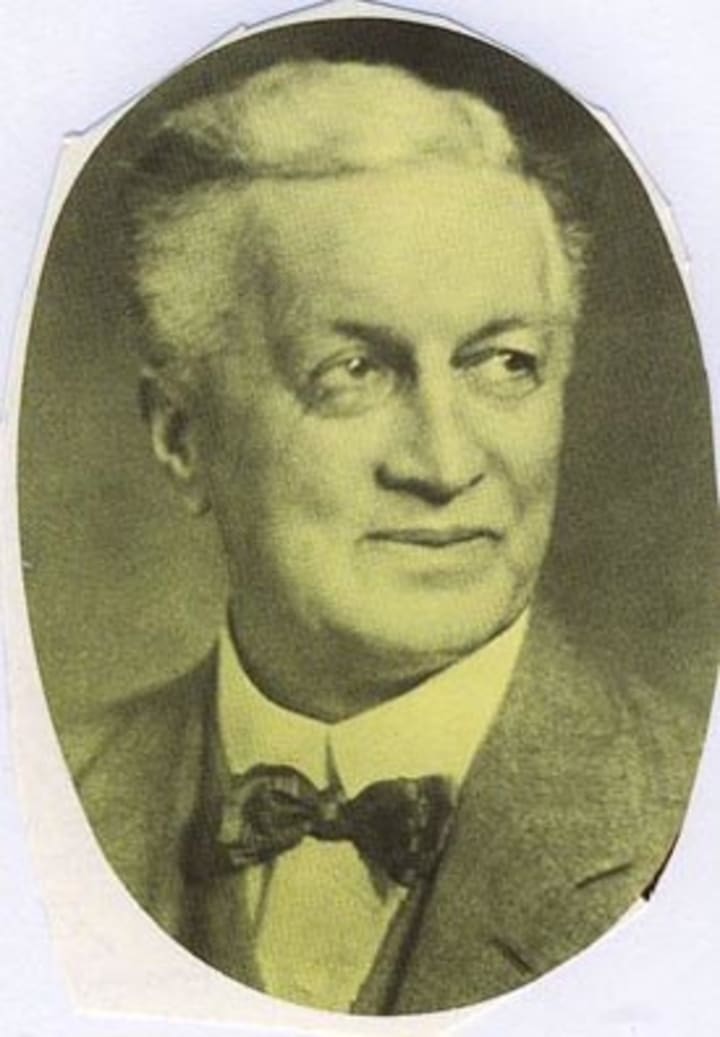
William Kellie Smith
1837 – 1901
During the Victorian Era (period of Queen Victoria's reign, from 1837 – 1901) was the Era of Industrial Revolution, political reform, social change and new inventions.
During this time, there was a big difference between the rich and the poor. Rich people could afford to have holidays, fancy clothes, and even telephones. On the other hand, poor people, all family members (even children) had to work very hard to earn a living.
William Smith was born in 1870 in Kellas, a small farm near Dallas in Moray Firth, Scotland.
He was the in the middle of five children in the family.
The Smiths were poor farmers struggling to survive during the Industrial Revolution.
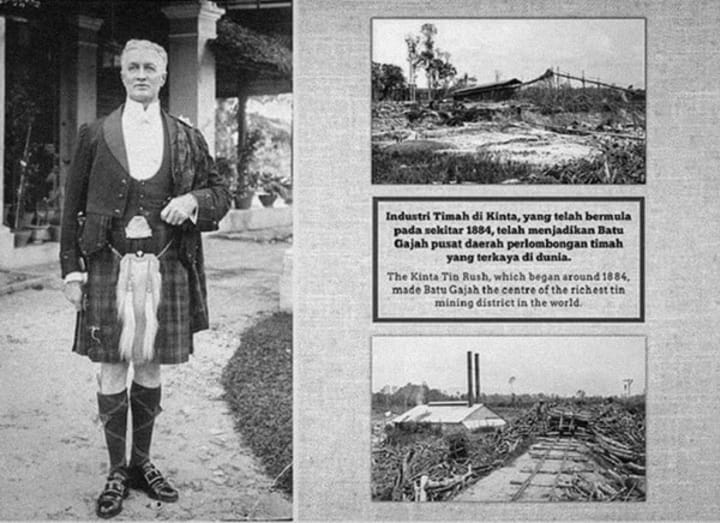
1884
The Kinta Tin Rush began around 1884 has made Batu Gajah the center of the richest tin mining in the world.
1890
In 1890, the British Empire expanded into India, Burma, Sri Lanka and Malaya.
The young civil engineer age 20 (or 21) decided to leave Scotland and seek for his fortune overseas where he arrived in Batu Gajah, Perak, Malaya (known as Malaysia now).
William explored several business opportunities but wasn’t fruitful until he met Charles Alma Baker, an estate owner, planter, surveyor and a miner from New Zealand who came to Batu Gajah during the late 1890s.
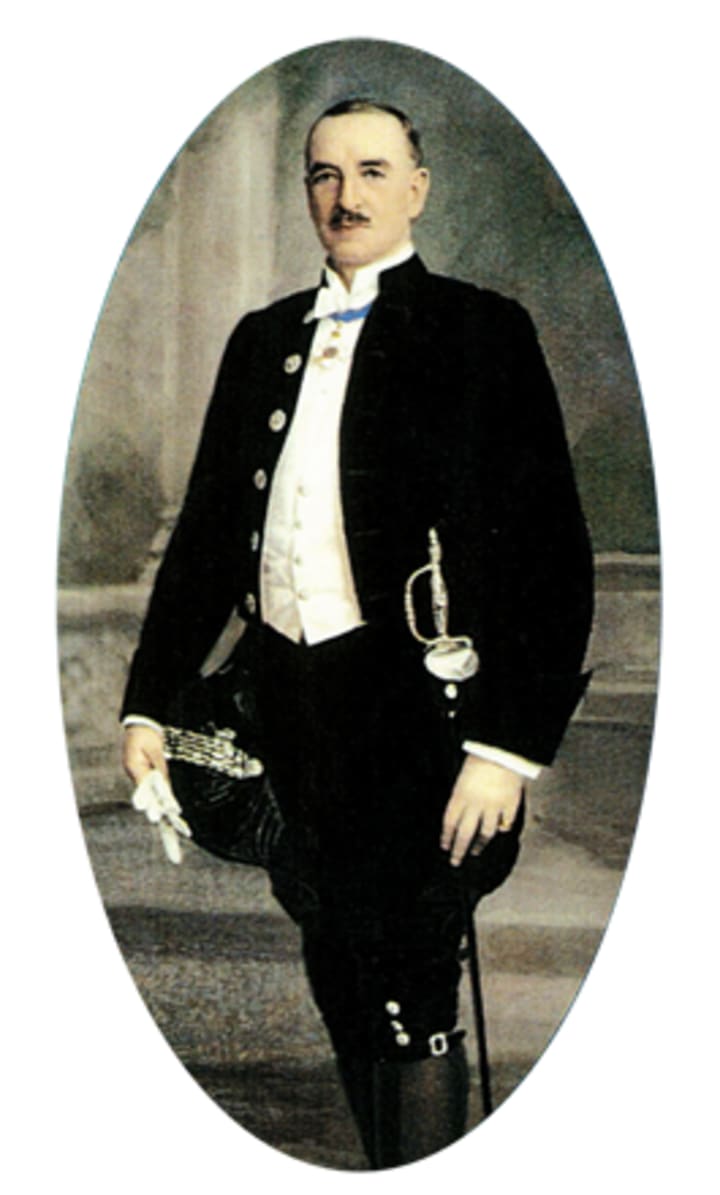
William joined Baker’s survey firm which obtained several government projects to build roads in South Perak and won concessions from the state government to clear 360 hectares of forests in Perak.
Within five years, William Smith had made a huge profit while dealing with Mr. Baker.
1895 - 1896
Years later, William branched out on his own - William Smith, Civil Engineers, Architects and Contractors.
At first, things were smooth when his company awarded a two-year contract to supply ballasts for the Perak Railway in 1896. Sadly, that project stopped soon after it was launched.
Then, he tried planting coffee but coffee prices in the market was badly crashed due to strong competition from Brazil.
Soon enough, he took noticed on the new invention of pneumatic tyre that surely leads to a huge demand for rubber. William quickly replace his ailing coffee plants and start planting rubber trees instead. He also ventured into tin mining.
Proudly naming his rubber plantation as Kinta Kellas Estate and his tin mining company as Kinta Kellas Tin Dredging Company.
‘Kinta Kellas’ was name after his home farm "Easter Kellas" back in Scotland.
1903
In 1903, 33-year-old William Smith returned to Scotland to visit his dying mother and followed by her funeral.
At that time, he adopted his mother’s maiden name "Kellie" to his own, becoming William Kellie-Smith.
Some said it was a remembrance of his beloved mother but others said that the new name actually added a more elite feel to his original name.
During his journey back to Malaya, he met a beautiful young heiress named Agnes who came from a successful Liverpool cotton family that inherited a trust fund of $300,000. This is her first time travelling to the Far East.
They quickly fell in love during the journey and got married soon after they arrived in Penang.
However, other source had a different say to their marriage that Agnes was his childhood lover and he went back to Scotland to marry her and brought her over to Malaya.
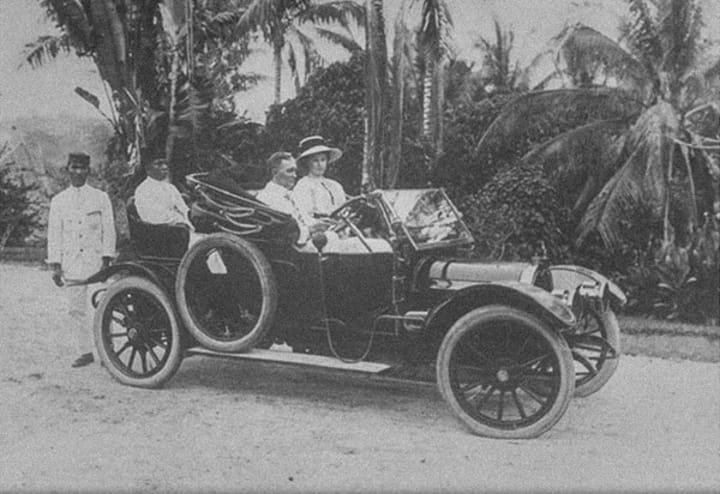
The couple lived in a wooden bungalow located inside William’s estate, Batu Gajah.
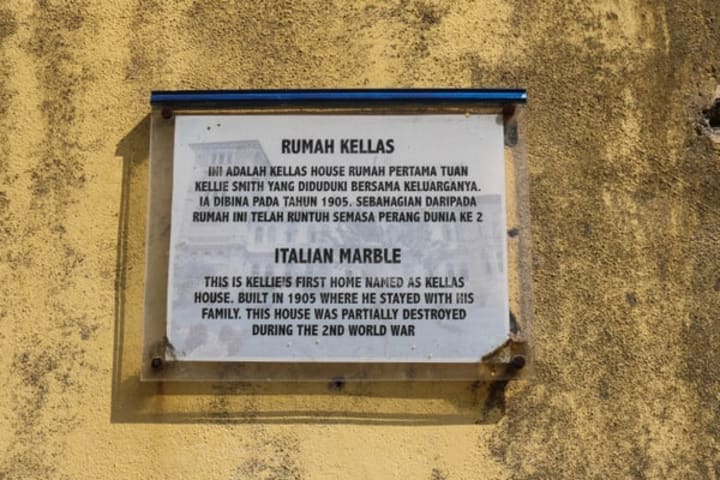
He named his first mansion - Kellas House, in honor of his family home in Scotland, Easter Kellas.
Agnes was extremely unhappy staying in the wooden bungalow due to the indoor heat and hot weather. She has to keep travelling to the nearby hills - Fraser’s Hill (Pahang), Maxwell Hill (Taiping) or Bukit Kledang (Menglembu, Ipoh) to escape from the crazy weather.
1904 – 1906
William used Agnes’s future inheritance of 300,000 as collateral to loan from a firm based in Singapore for 3 years ($24,000 a year).
He used the money to develop Kellas Estate but mainly to quickly build a new wing to the wooden bungalow using heat-absorbing brickwork to reduce the hot afternoon heat for his wife.
The construction of Kellie’s Castle began soon after Agnes gave birth to a baby girl called Helen Agnes Smith.
The new brick work was known as the ‘Kellas House extension’.
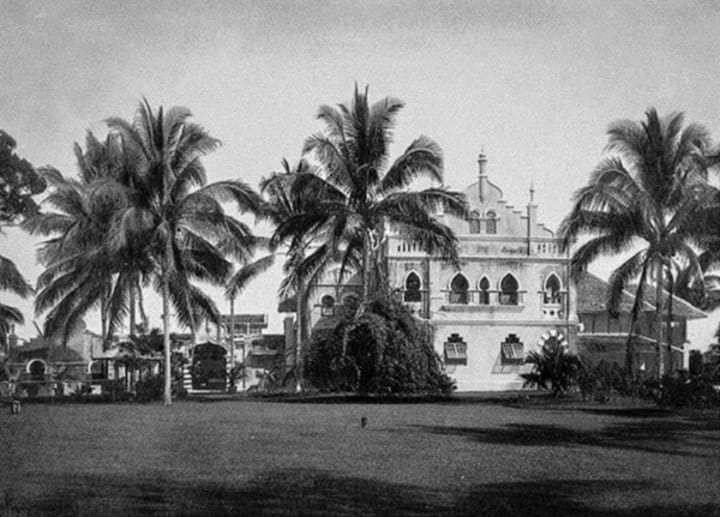
Unfortunately, he failed to secure the release of the second advance payment because the inheritance money was not to be released until 1908 (reason unknown).
Not being a good financial planner, eventually his money didn’t last long. He had to face multiple setbacks and financial difficulties.
William had a massive loss in his marble quarry, followed by his own company’s concessions for mining and dredging were cancelled due to lack of activity and capital.
He even tried extracting Patchouli (commonly known as "mint") after building his own distillery, factory and laboratory.
But all of his efforts ended up in failure.
Even worse, his entire livestock was nearly wiped out by a virulent cattle disease.
Eagerly wanted to help her husband, Agnes wrote a letter to the Colonial Government for another loan but she could only get $10,000 out of the $50,000 William requested. Reason because the government was skeptical of Agnes’ inheritance.
In the end, William had no choice but to sell two-thirds of his Kellas Estate in 1906 to Harrisons & Crossfield (a British tea and coffee trading company) who renamed their purchase as Kinta Kellas Ltd and retained William as the managing director.
Lucky enough, William managed to keep his wooden bungalow and 538 acres. He renamed their property as ‘Old Kellas Estate’ to keep it separate from the Kinta Kellas Ltd. parcel of land.
1908
William was so excited to proceed with his ambitious project when his wife’s $300,000 inheritance money came through in 1908.
1910
The transformation of Kellas House extension from wooden to brick finally completed in 1910.
During the construction, cement wasn’t available in Malaya.
Bricks were pasted together with a mixture of duck egg white, sand, chalk, brown sugar and honey.
There were no nails or metal used either.
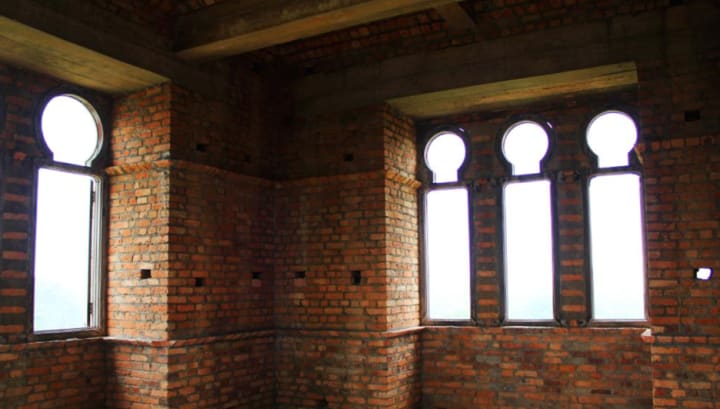
This building was partially destroyed during World War II (1939 – 1945) or maybe during the Battle of Kampar (1941 – 1942) but the workmanship was so strong that you can still find parts of the ruins standing visibly today which located behind Kellie's Castle.
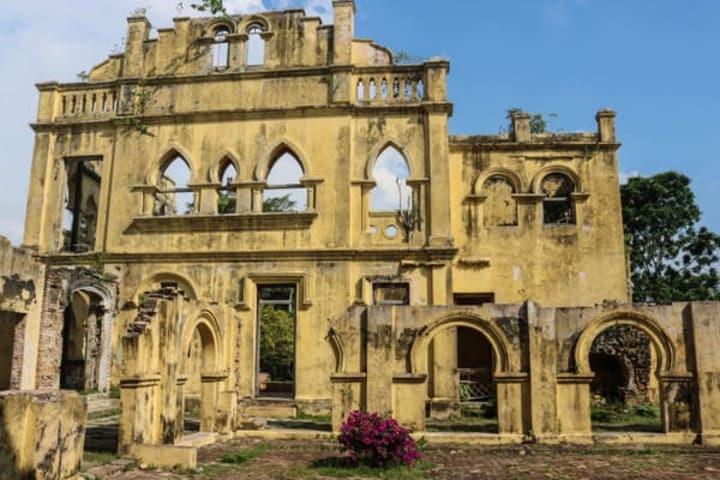
1911
William restarted his career, forming the dredging company called Klian Kellas Ltd. But it did not work out well. Fortunately, his rubber estate gave him some good returns.
In the same year, his house was mentioned in the London Financier newspaper on 15 September 1911 due to it's unique cross-culture architecture.
1915
William always wanted a son to inherit his empire in the Malaya.
After many years of trying to conceive, Agnes finally got pregnant and gave birth to a son called Anthony in 1915.
William was so happy that he decided to celebrate the birth of his future heir by building a huge castle with a mixture of Scottish, Moorish and Tamilvanan Indian architecture adjacent to his house which can be seen along the Batu Gajah-Gopeng trunk road, just beside the Raya River.
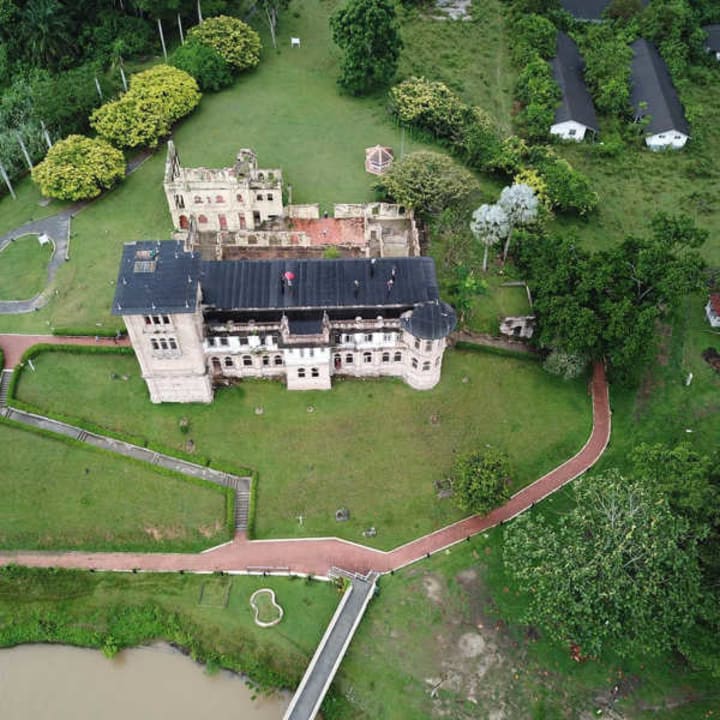
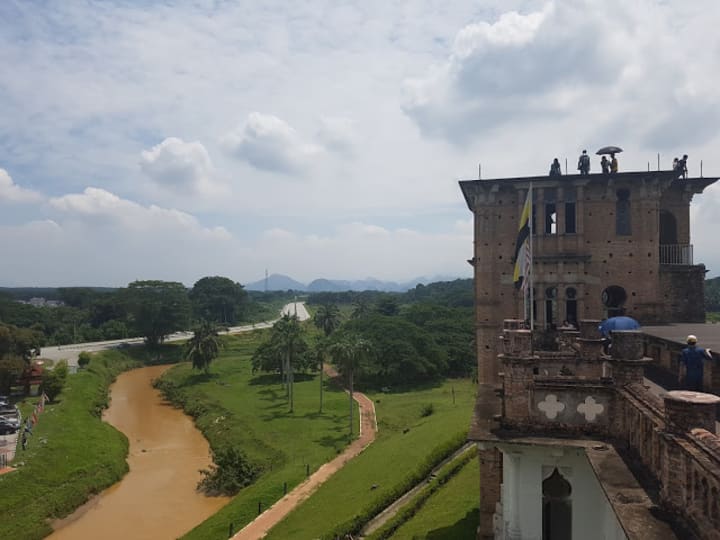
This castle was also a gift to his beloved wife and to clearly mark his elite status in the society showing those arrogant bureaucrats that once doubted him.
During the Victorian era, it was so common for the young and rich men to buy estates and castles to elevate their status in the society and eventually became a trend.
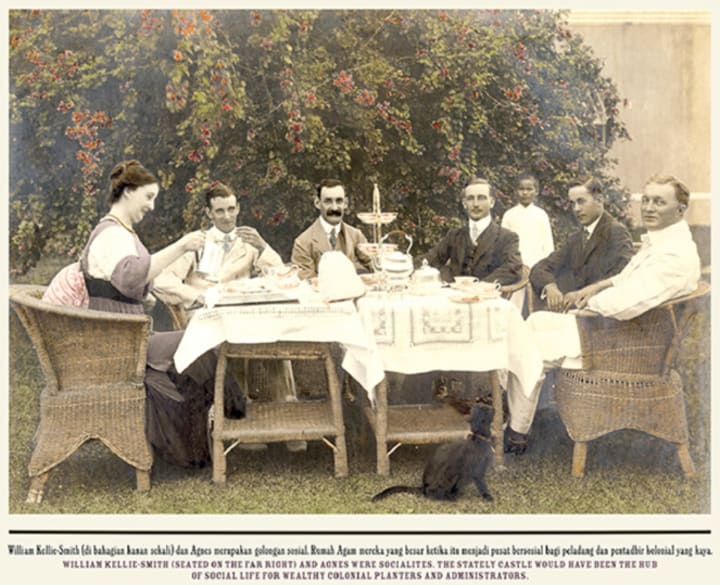
The very ambitious William wanted the biggest and most luxurious mansion in Malaya. Hence, he brought in 70 Tamil craftsmen including skilled stucco artisans and laborers from Madras and imported special India-made bricks and marbles from India as well as exquisite tiles from Italy.
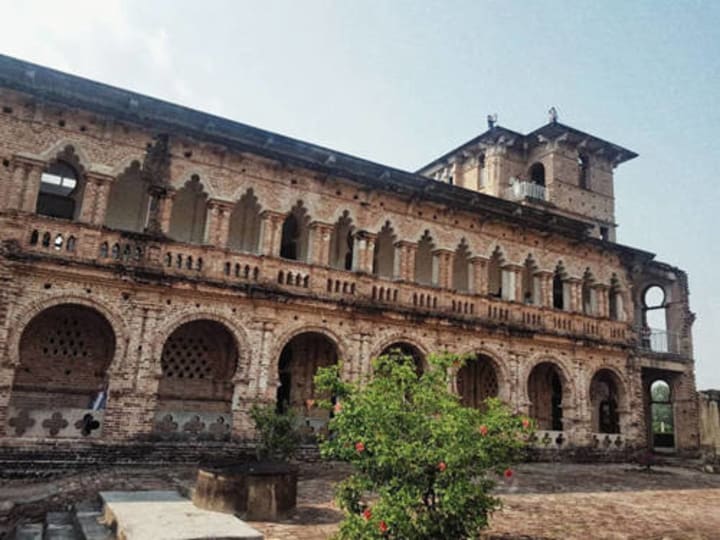
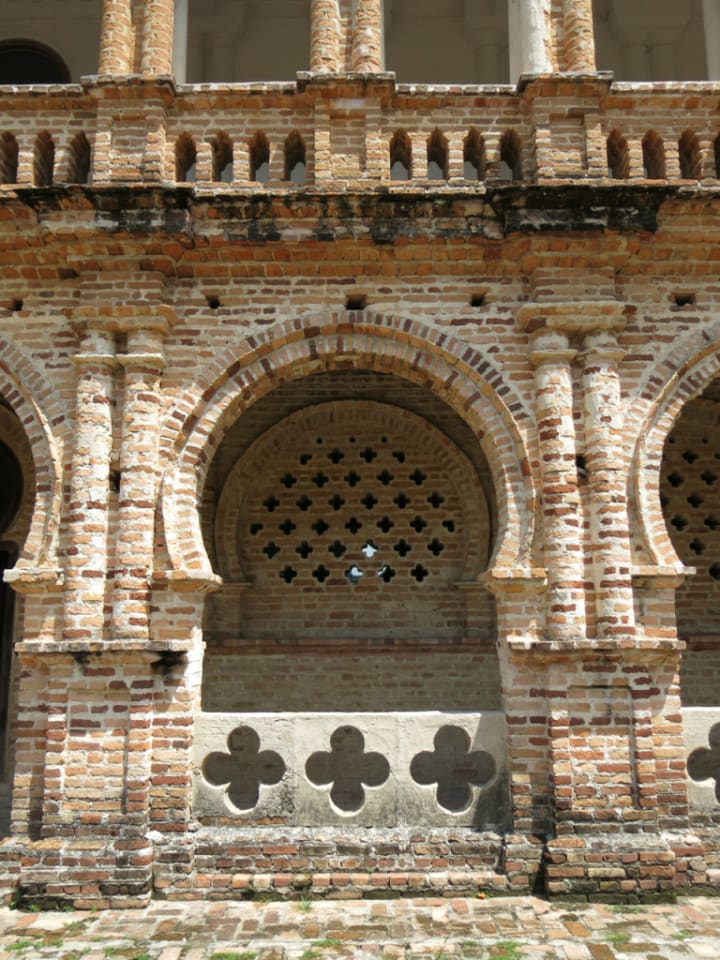
In his plan was a 6-storey tower, 14 rooms into the sprawling mansion, an indoor tennis court, a rooftop entertainment complex to host parties, a cellar, stables, and a shaft for Malaya's first elevator.
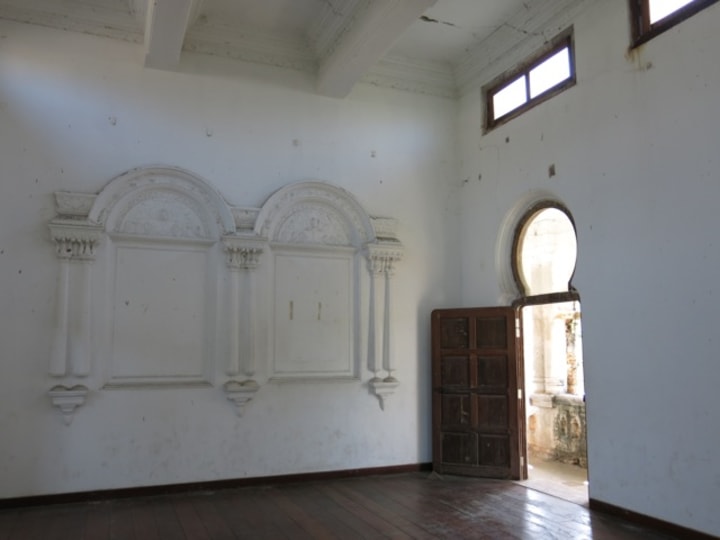
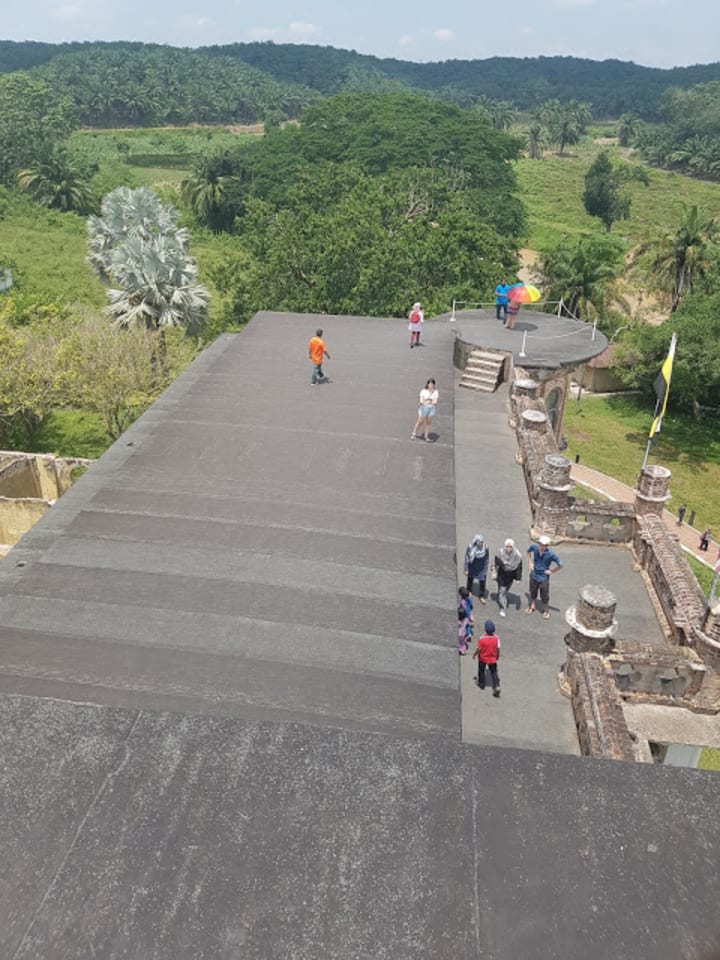
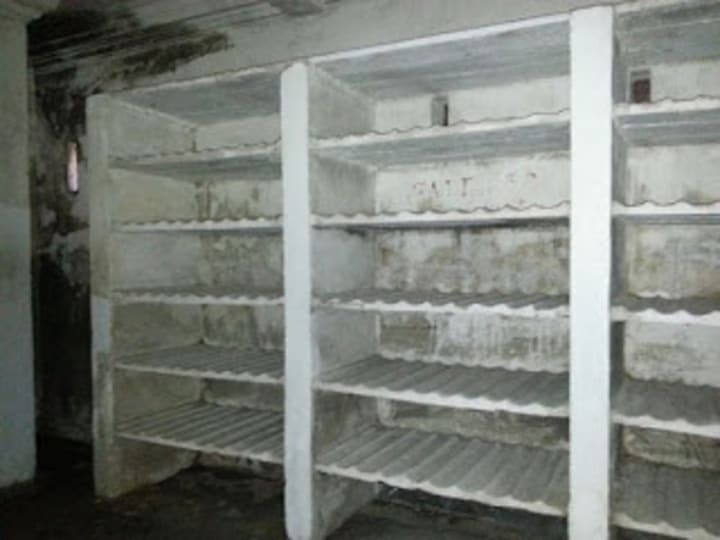
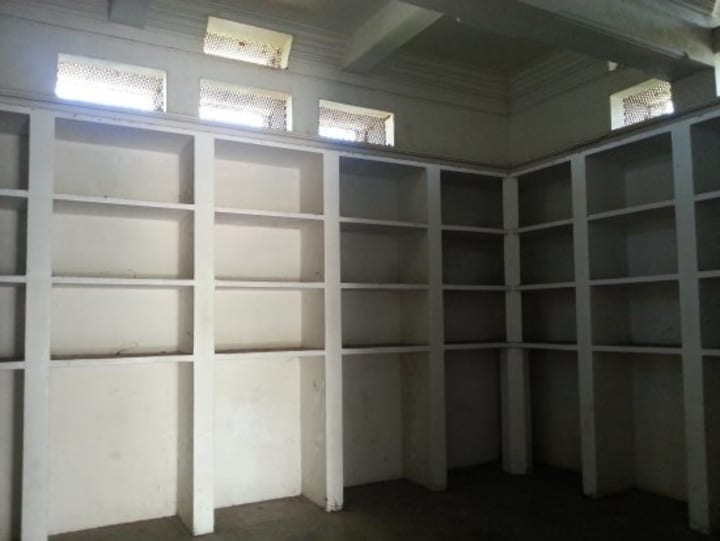
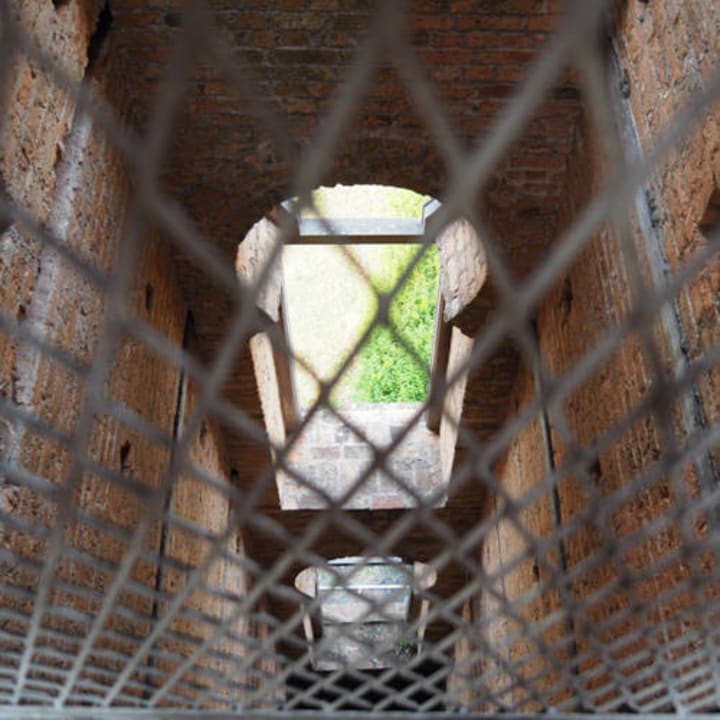
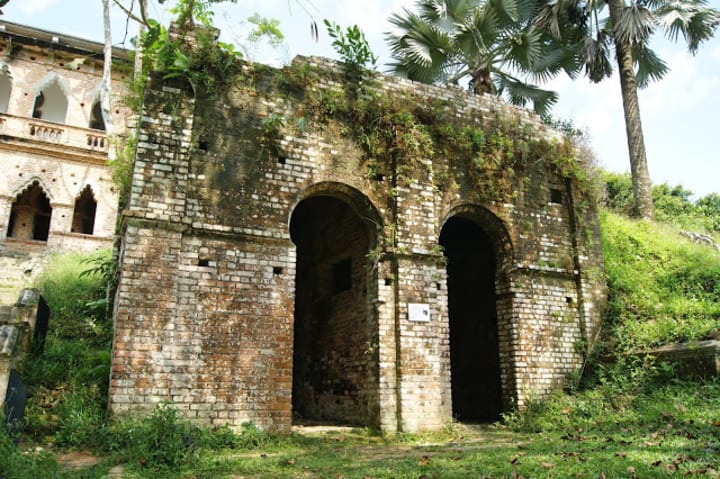
From another saying that the reason to build so many rooms are to welcome more Scottish to the Malaya.
This castle was also aimed to be the hub to entertain wealthy colonial planters who have settled in Malaya.
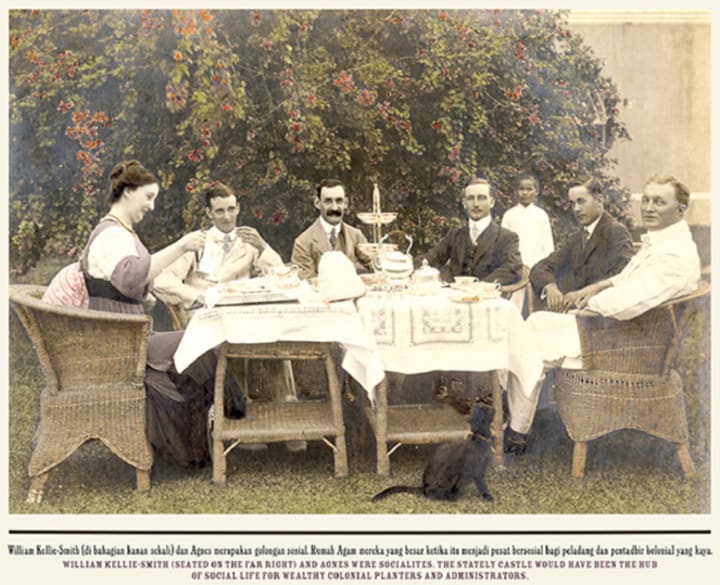
Unfortunately, William was unable to finish his project as the work on the castle has to put to a stop during World War I (1914 – 1918). Reason because the raw construction materials was hard and risky to enter Malaya. Shipping cost became very expensive.
Even worst, all William’s business capital was frozen, they have to learn how to be self-sufficient by growing their own food to sustain their daily lives in the estate.
1918
After the war ended in 1918, everyone was hoping to gain peace in life but things turned its back when the deadly Spanish Flu came and hit the world, spreading it’s way to Malaya, killing most of William’s Indian estate workers, including all his skilled masons, plasterers and tilers that are specially imported to build his castle.
This eventually caused a huge lost as William spent most of his fortune for this construction.
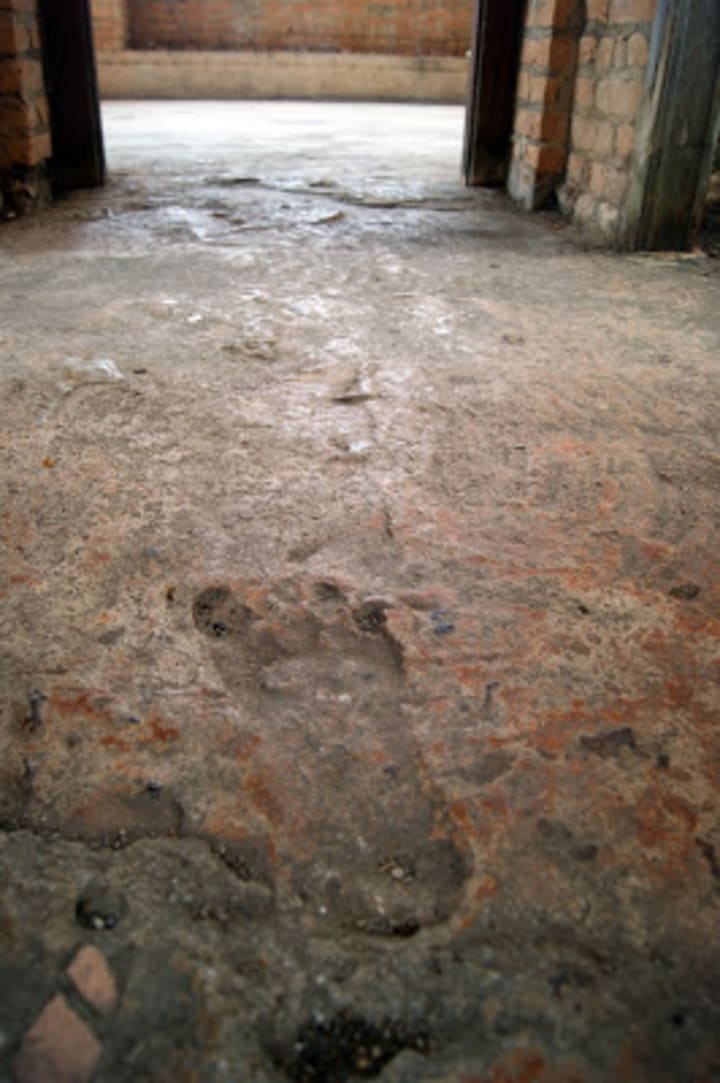
1920
Workers that survived approached William to build a temple of deity Mariamman to pray, seek forgiveness and protection. William agreed.
When Sri Mahamariamah Ladang Kinta Temple was consecrated, the pandemic ended.
In return for his kindness, the workers crafted and placed a statue of him with his pith-helmet wear on the temple roof together with their deities.
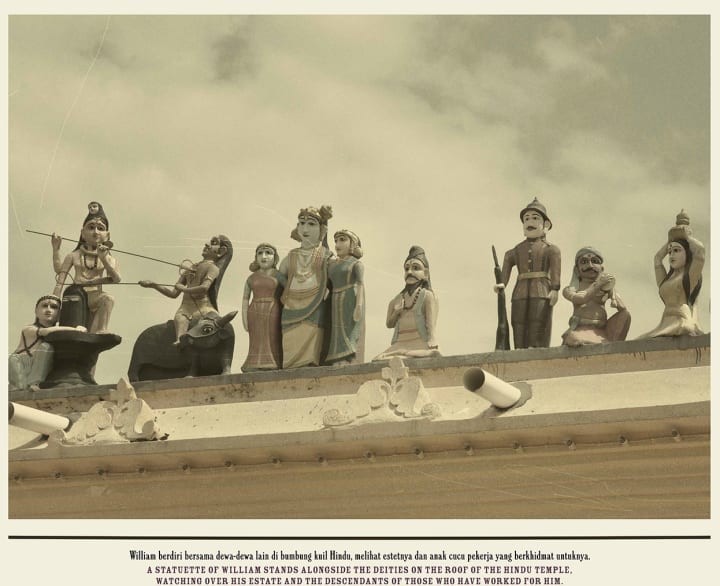
The temple was located roughly 1.5km away from Kellie’s Castle.
Till today, some of the descendants of the Tamil workers are said to live nearby and people or visitors still come to the temple for prayer and look at the statue of William.
1925
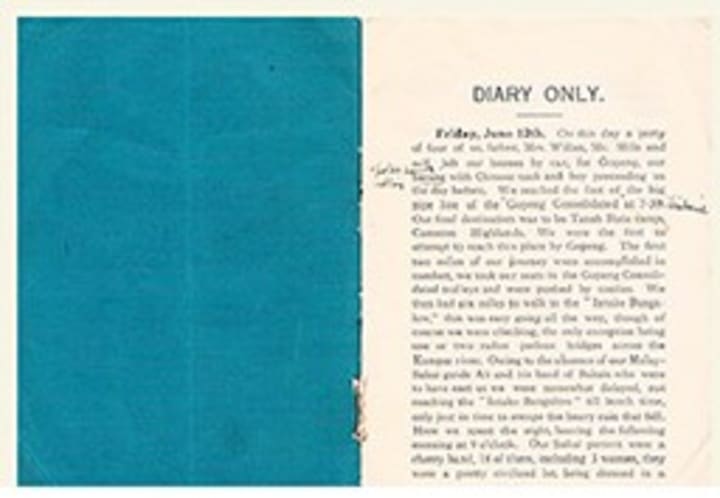
Helen, William’s daughter wrote an eight pages diary of “My Trip to the Cameron Highlands” dated 12th June 1925.
When she was 21 years old, she accompanied her father and two others into the unexplored jungle.
It was a tough journey but William insisted as he wanted to build a semi-residential resort for his daughter to manage on the cooling hill top.
1926
In between 1915 – 1926, Agnes brought her young Anthony back to Britain for his education.
In 1926, William and Helen made a trip back to Europe to visit Anthony and Agnes.
On his journey back to Malaya, he stopover at Lisbon to pick up his elevator and finalize his planting concessions in the Portuguese colony of East Timor.
Unfortunately, William Kellie-Smith caught pneumonia and passed away in his hotel room at Lisbon in December 1926 at the age of 56.
He then buried at a British cemetery.
The castle was never completed.
Heartbroken Agnes decided to pack up and return home to Scotland with her children.
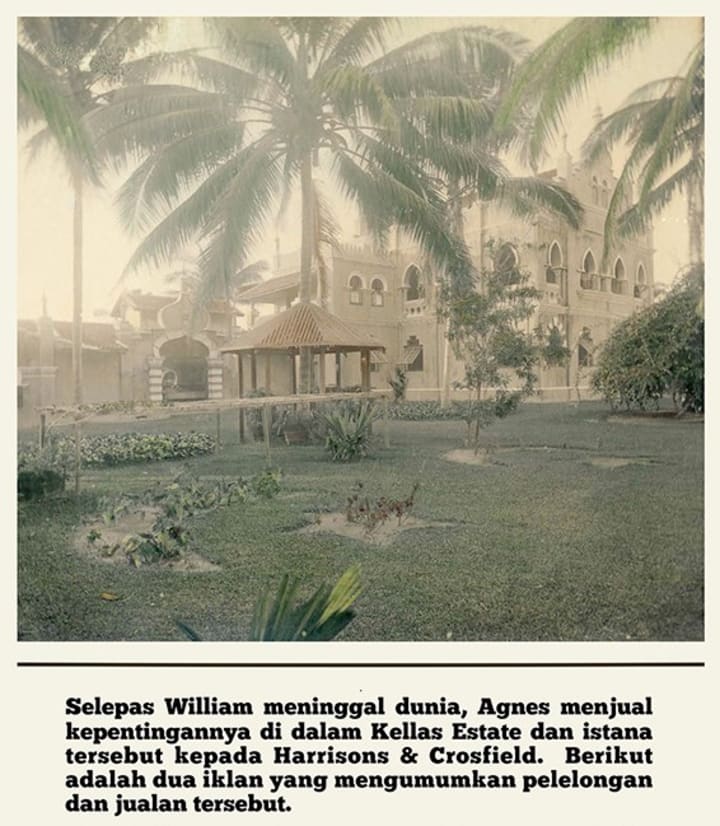
Agnes sold Kinta Kellas Estate and Kellie's Castle to a British company, Harrisons and Crosfield (now was part of the Sime Darby conglomerate).
Agnes never returns to Malaya.
1927
Harrisons and Crosfield used the land to grow coffee and tea but they ignored the mansion which had been partly damaged during World War II.
The property was covered by the jungles of Perak and remained abundant for many years.
To the local community, the unfinished Castle was eventually known as "Kellie's Castle" or "Kellie's Folly", some even referred as Agnes’ Palace because big portion of the construction money came from Agnes.
1939 – 1945
Their son, Anthony Kellie Smith was killed in World War II.
Their daughter, Helen never returned to Kellie's Castle.
1999 - 2000
The property was used as a setting in the 1999 film Anna and the King.
In 2000 was for the film Skyline Cruisers.
2000
After many years of neglection, the government finally refurbished the house in 2000, making the building a tourist attraction till today.
2003
When workers are constructing on widen the road of Gopeng-Batu Gajah near the castle, they accidentally discovered a section of a tunnel while digging.
A passageway of 1.5 meters high and 1-meter wide was discovered when the excavator broke through the timber structure.
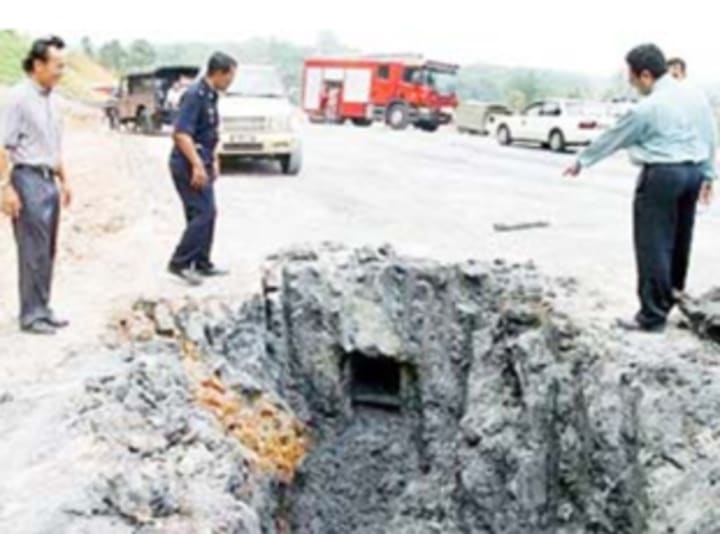
This may be one of the four tunnels to connect from the castle to the Hindu temple and it is believed to be one of the safety exits built by William Kellie-Smith.
Second tunnel led to the south garage gate.
Third tunnel led to the main road.
Fourth tunnel remained unknown till today.
For safety reasons, all tunnels have been sealed off.
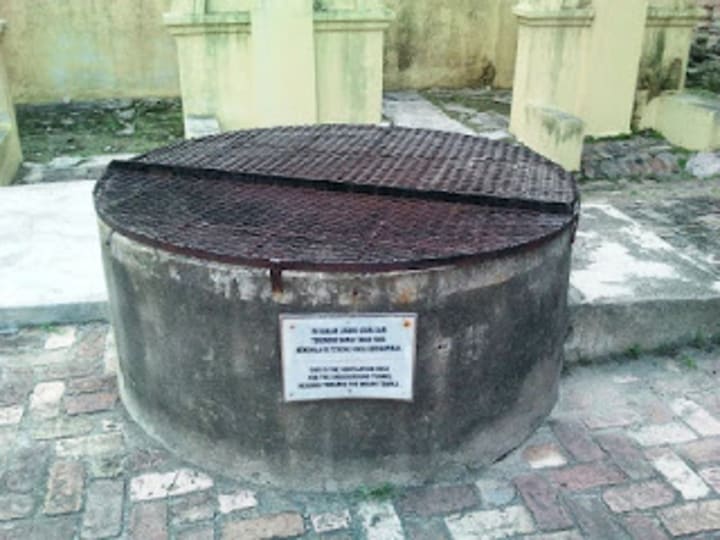
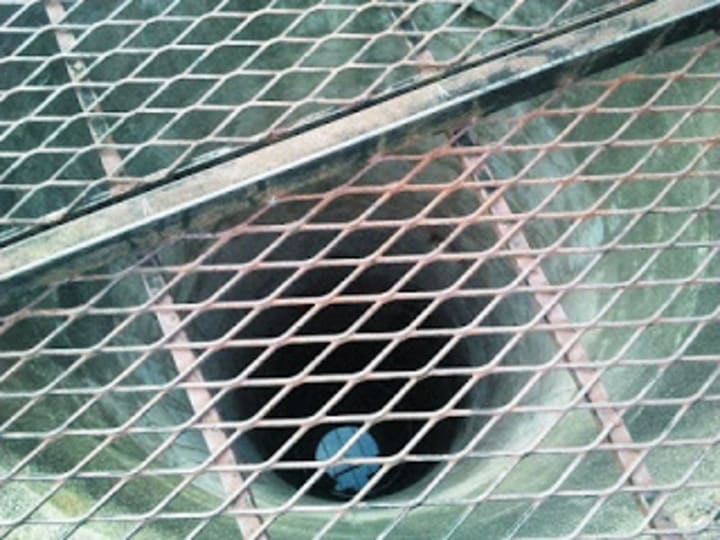
Some source said that William built many safety tunnels and hidden rooms to protect himself and his family during the Era of British Malay (1826–1957) where Scottish still having a sore relationship with the British.
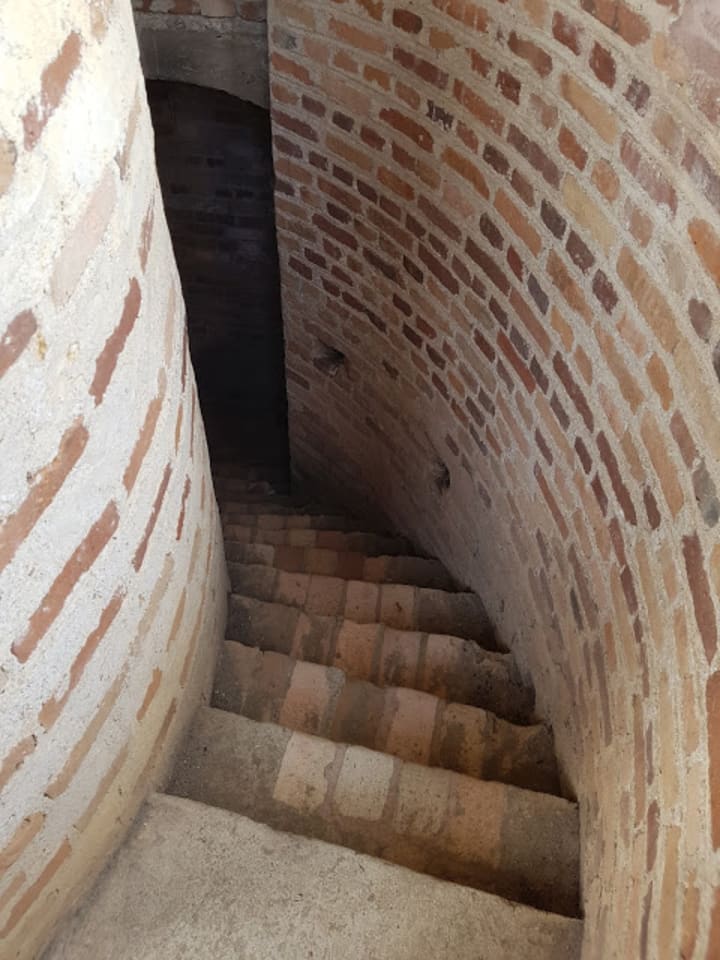
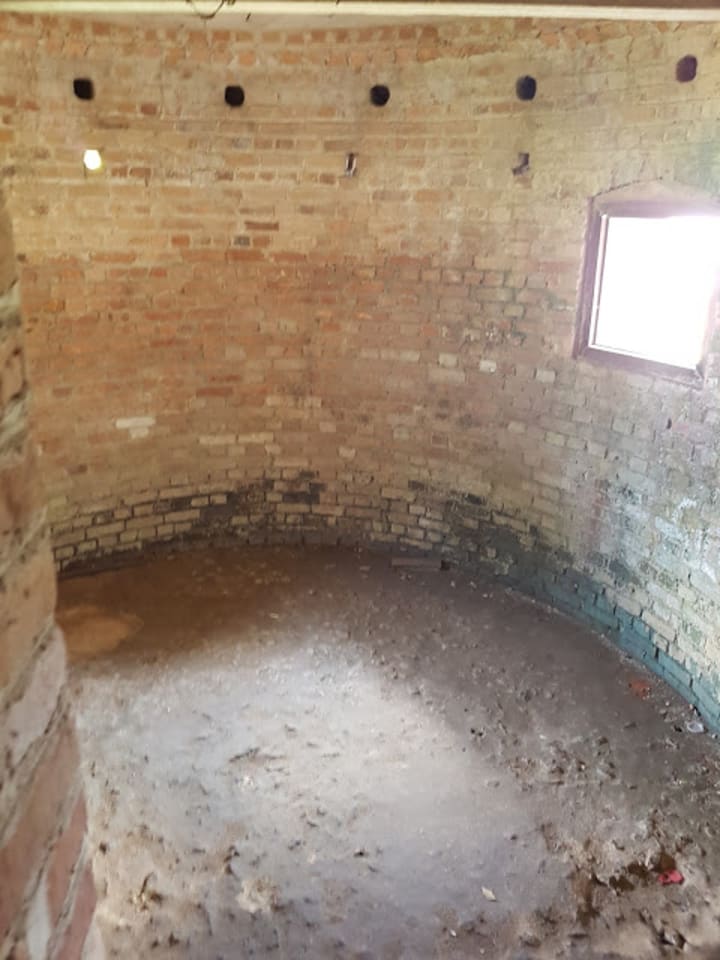
In the 1960's, there are few eyewitnesses claimed that they saw a black car in one of the tunnels which belongs to William.
Other rumors said that these secret tunnels are used by the famous communist leader in Malaya – Chen Ping in between 1950's to 1960's.
There are also rumors saying that the castle was haunted because many workers died during the construction and the Japanese used the castle to torture and execute prisoners during World War II.
Others stated that there was a ghostly figure of William Kellie-Smith walking at the second-floor corridor at night. The rumor started when a Canadian couple came by to take photographs of nocturnal creatures. As the couple was about to leave, the woman suddenly looked up and saw a ghostly image of a man standing by this balcony, staring into the distance and it was believed to be the spirit of William Kellie-Smith.
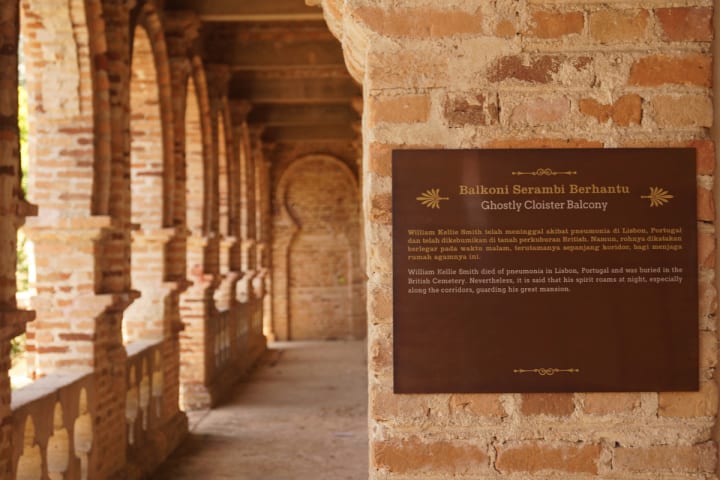
Even though William died in Portugal, it is said that his unfulfilled dreams to build the castle, bring back the elevator and increase his social standing brought his restless spirit back to the castle.
Some even said that William’s spirit was there to guard his great mansion so that most of the structure can still be remained after so many years.
Others have also seen young Helen’s ghostly figure with curly hair, wearing white wondering in her bedroom.
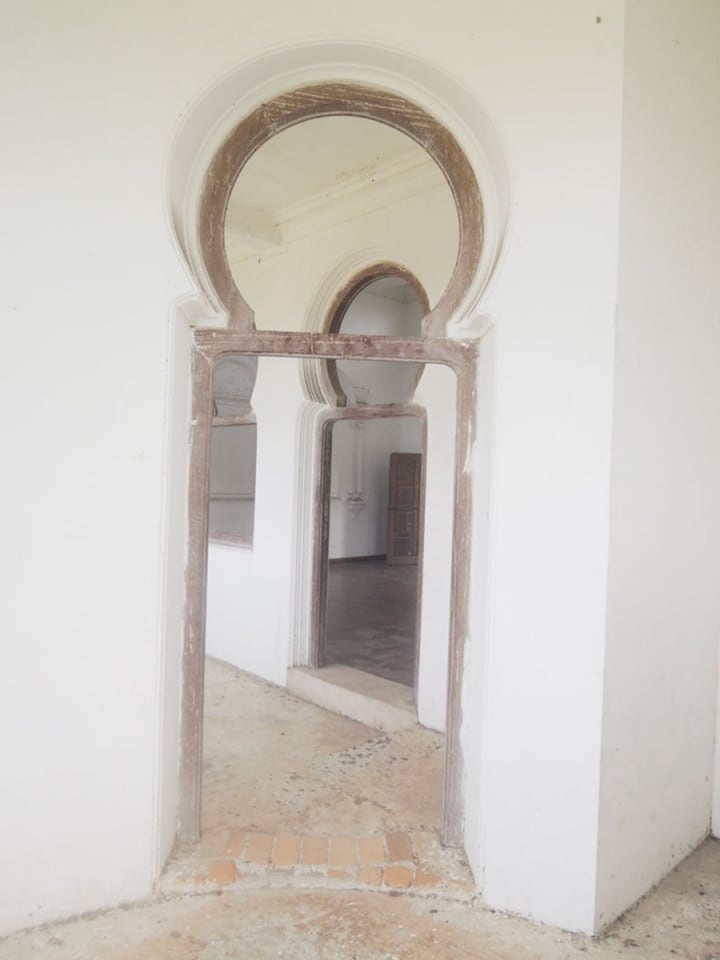
It is expected to have more spirits staying in the castle since it was abandoned for so many years.
Today, visitors that wish to meet William’s family, they can still see their sculptures standing on the castle’s exterior wall, unfortunately Agnes’s sculpture fell off some years ago.
Kellie’s Castle should have been one of the most luxurious home in Malaya and it’s likely to be the only Scottish Castle built remained until now.
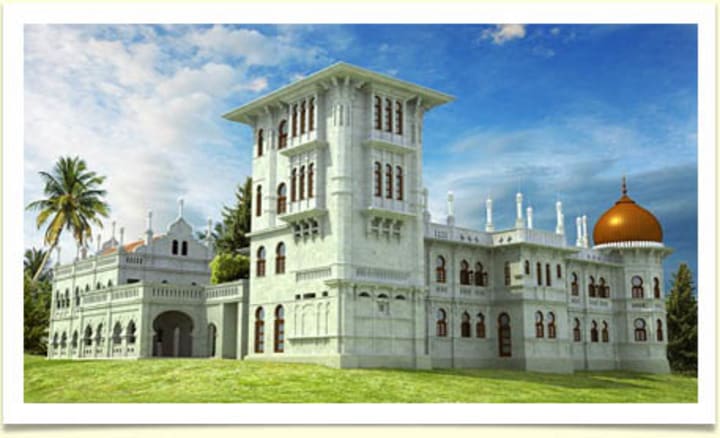
Sadly, there is no intention to complete the building since the original plans for the house have been gone missing but there is an artist impression of what Kellie’s castle would have looked like if completed.
2012
The museum conservation department restored Kellie’s Castle in 2012.
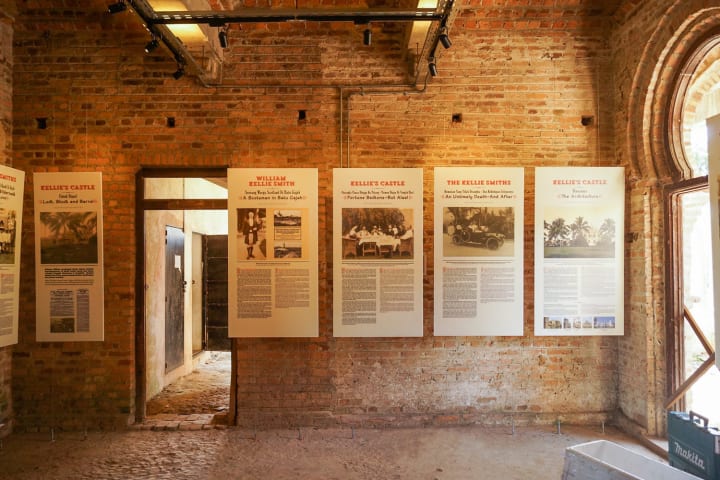
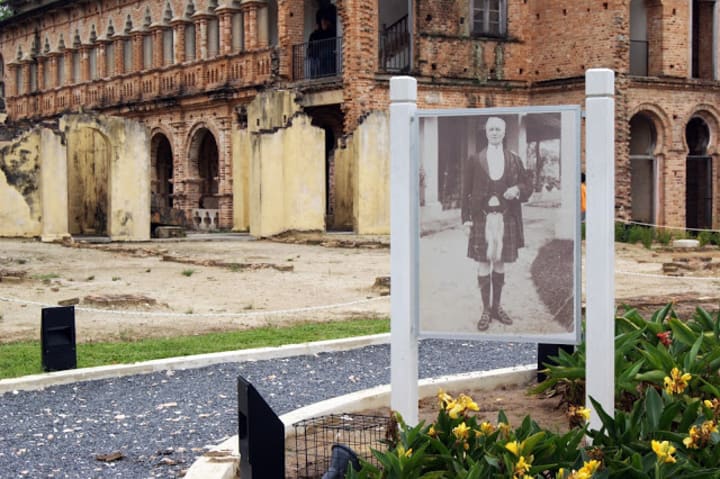
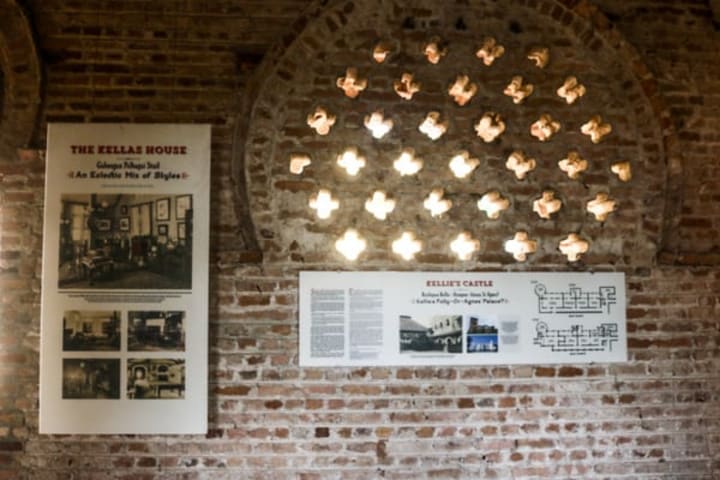
A design team from WHW Design was engaged to create sign boards at the mansion and to research on the background.
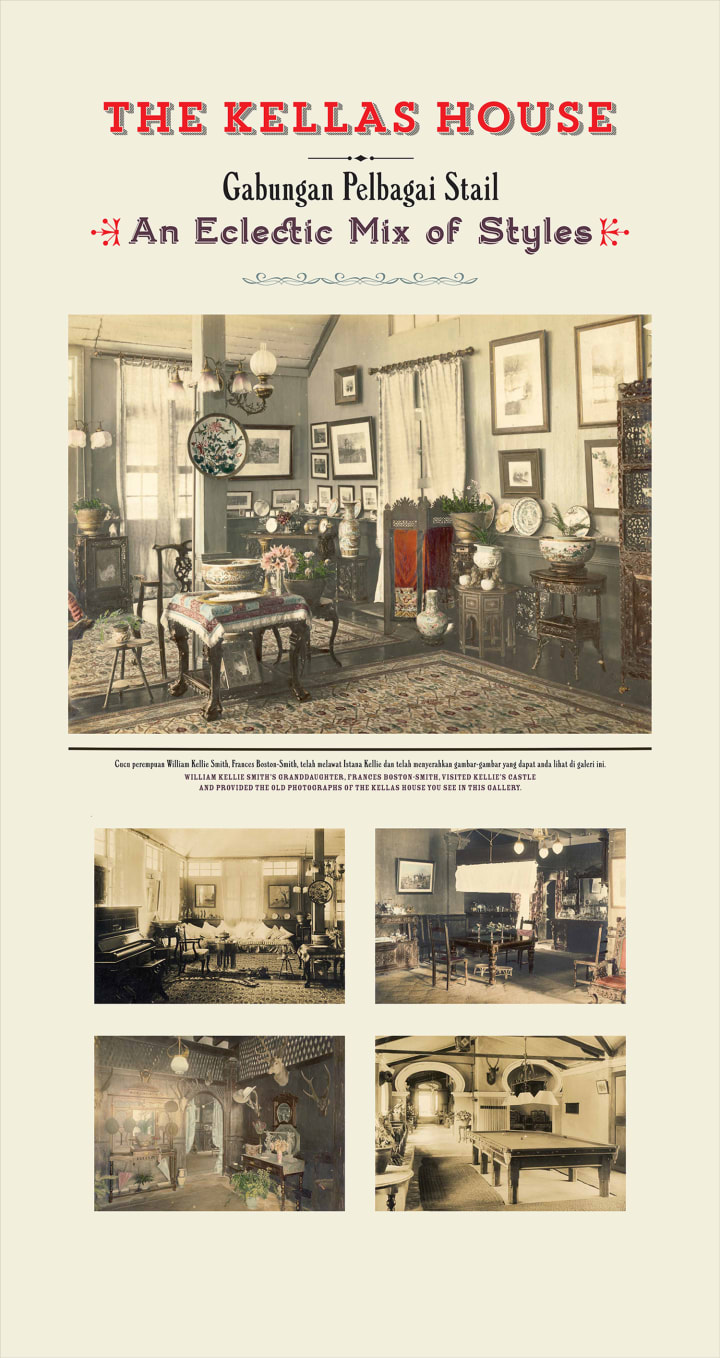
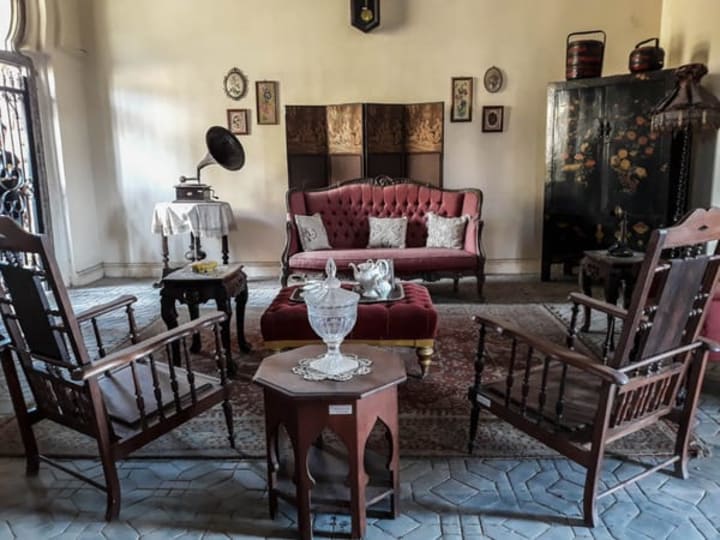
They were also told that few years back, William Kellie-Smith’s granddaughter, Frances Boston-Smith came to visit the mansion. She donated some collections of old photos to Batu Gajah District Office. Those photos were used for signboards and a room was furnished with bits and pieces based on some of their old family photos.
Some came asking why Kellie’s castle structure is similar to Ipoh & Kuala Lumpur Railway stations?
They were told by the caretaker that William was a railway track engineer. Hence, he used the same structure as Ipoh & Kuala Lumpur Railway stations to build his castle.
2020
If you are interested explore in person, do plan a trip to visit this historical mysterious Scottish castle and get a feel of William’s dramatic life journey in the past.
Plenty of information is now available at Kellie’s Castle.
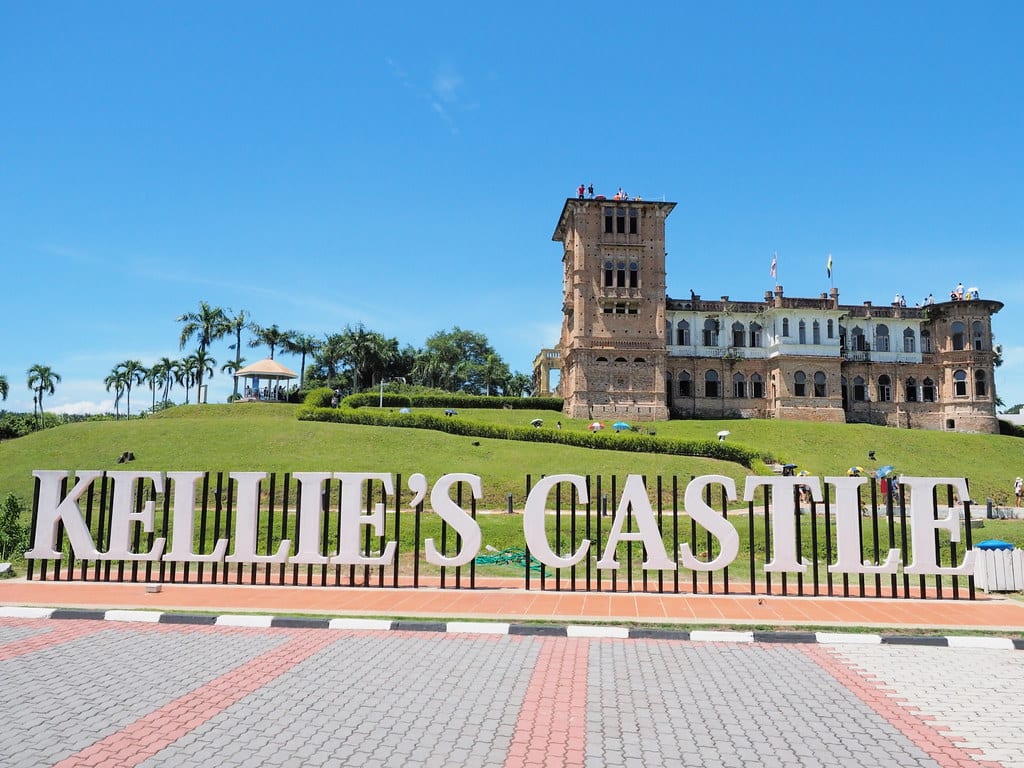
Kellie's Castle (Documentary)
Kellie’s Castle
Jalan Gopeng, Batu Gajah
Operating hours:
Monday to Sunday- 9.00am - 6.00pm
Admission fee:
RM 5 (foreigner)
RM 4 (adult)
RM 3 (secondary school students)
RM 2 (primary school students)
FREE (child aged six and below)
Tel : 05-365 1336
About the Creator
Explore The Basic
An ordinary artist and a dreamer.
Keep reading
More stories from Explore The Basic and writers in The Swamp and other communities.
Trump Is Briefed on Options for Striking Iran as Protests Continue
As anti-government protests erupt across Iran and tensions escalate between Tehran and Washington, U.S. President Donald Trump has been officially briefed on a range of potential military options, including the possibility of striking Iranian targets if the situation worsens. The discussions reflect a dramatic moment in international relations, as unrest in Iran merges with long-standing disputes over its political system, nuclear ambitions and regional influence. �
By Fiaz Ahmed Brohi7 days ago in The Swamp



Comments
There are no comments for this story
Be the first to respond and start the conversation.