
Karen Read Trial: A Real-Time Courtroom Drama That Has Gripped the Nation
The live coverage of Karen Read’s murder trial raises questions about justice, media, and the power of public opinion

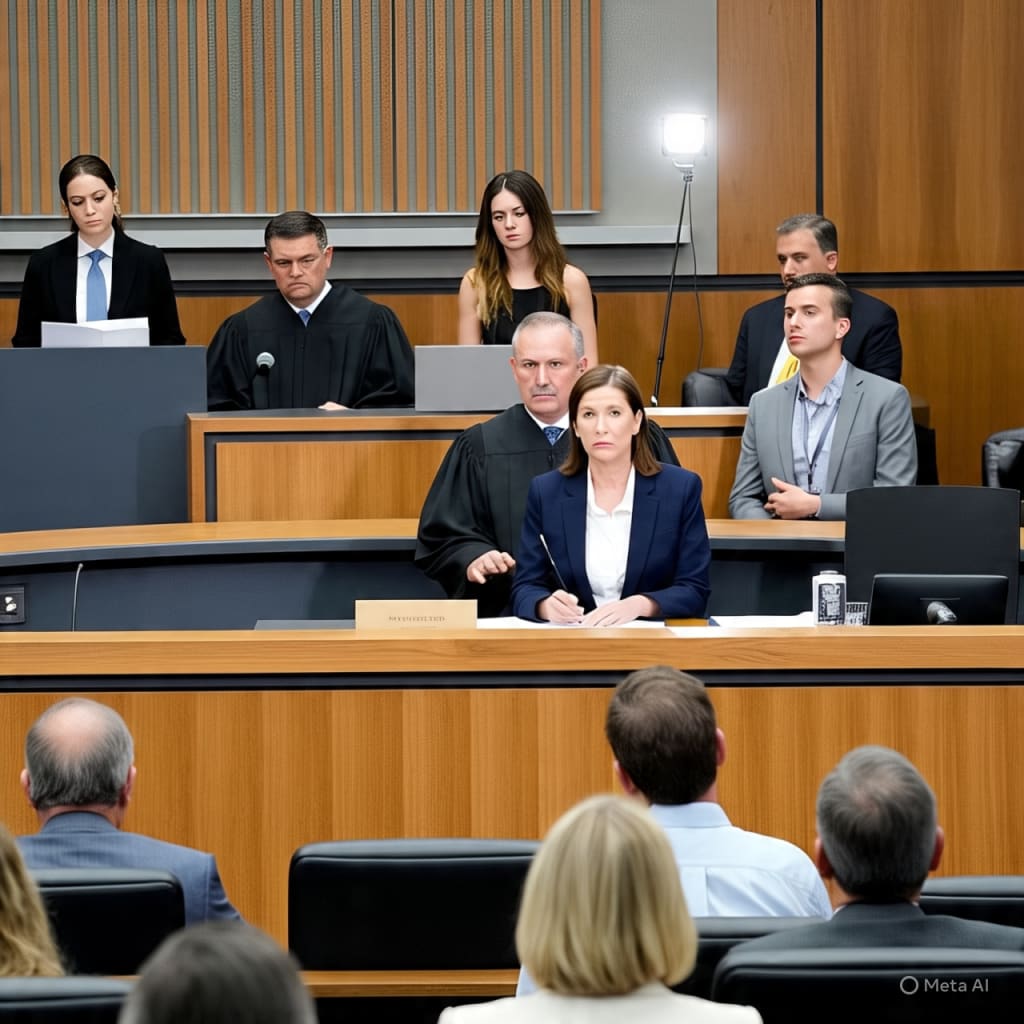
Karen Read Trial: A Real-Time Courtroom Drama That Has Gripped the Nation
The ongoing live trial of Karen Read is not just a courtroom event—it’s a national spectacle. From the start, the case has captured widespread public attention due to its dramatic details, a controversial death, and the powerful emotions it has stirred across social media and news outlets.
With live video coverage, heated debates, and public speculation, this trial represents more than just a legal process—it reveals how deeply the public engages with modern crime stories in real time. Let’s take a closer look at what this case is about and why it matters.
What Is the Karen Read Case?
Karen Read, a Massachusetts woman, is on trial for the alleged murder of her boyfriend, Boston Police Officer John O’Keefe, who was found dead in the snow outside a fellow officer’s house in January 2022. Prosecutors say Read backed her car into O’Keefe during a heated argument, leaving him fatally injured and driving away.
But Read and her defense team insist she is being framed. According to them, O’Keefe was beaten and killed inside the home, and the real suspects are being protected by a cover-up involving local police and prosecutors. The defense has even gone as far as to accuse investigators of destroying or manipulating evidence.
Why Is This Trial Being Livestreamed?
The decision to broadcast the Karen Read trial live has played a major role in its visibility. Millions of viewers are now following the trial daily, watching courtroom arguments, witness testimonies, and reactions as they unfold.
This live coverage has created a new kind of public courtroom—one where legal procedures mix with public reactions, social media debates, and even online detectives trying to solve the case themselves.
Supporters of Read claim she is being wrongfully accused, while others argue that the trial shows how the justice system works to find the truth. Regardless of which side people take, it’s clear that this trial has become a modern example of how live media coverage shapes public understanding of justice.
Public Reaction and Media Influence
The Karen Read trial has sparked major discussions about the fairness of the justice system. On platforms like YouTube, X (formerly Twitter), and TikTok, true crime enthusiasts are breaking down courtroom footage, analyzing evidence, and even arguing about the behavior of witnesses and lawyers.
This level of attention can create both opportunities and problems. On the one hand, it brings transparency to the justice process. On the other hand, it can also put pressure on jurors, influence public opinion, and possibly even affect the outcome of the trial.
Legal experts have raised concerns that live streaming might encourage grandstanding or emotional displays in the courtroom. Still, the public interest in this case continues to grow.
A Divided Audience
One reason this trial is so intense is that it splits people into opposing camps. Those who believe Karen Read is innocent see her as a victim of a system that protects its own. They argue that the case shows a failure in law enforcement transparency.
Those who support the prosecution, however, believe the evidence points clearly to Read's guilt, and that the defense is creating distractions to confuse the public.
What makes this situation more complex is the background of those involved—police officers, investigators, and public officials—all of which adds to the public’s suspicion and emotional investment.
Beyond One Woman’s Trial
No matter the final verdict, the Karen Read trial has already made a lasting impact. It shows how much trials have changed in the digital age. Live coverage means trials are no longer limited to courtrooms—they happen on people’s phones, tablets, and in the public square of online debate.
The case also raises important questions:
Can the legal system deliver a fair trial in the face of so much public attention?
Should there be limits to what is shown in live trials?
And how does media exposure shape justice?
Conclusion
The Karen Read trial is more than just a murder case—it’s a reflection of how crime, media, and public opinion are deeply connected in today’s world. Whether she is found guilty or not, this case will be remembered not just for the facts, but for how it unfolded in front of a live audience.
As the trial continues, the public remains glued to every detail. In a courtroom where every word is broadcast and every reaction is analyzed, the Karen Read case has truly become a trial for the digital age.
About the Creator
Saad
I’m Saad. I’m a passionate writer who loves exploring trending news topics, sharing insights, and keeping readers updated on what’s happening around the world.



Comments (1)
This live trial's got everyone talking. It shows how the public gets into crime stories in real time, with all the drama and debate. The accusations and counter-accusations are intense. It'll be interesting to see how this case, with its live coverage, finally plays out.