
Japanese Mayor Apologises After Calling Staff ‘Human Scum’
Controversial Remarks Spark Nationwide Debate on Workplace Ethics and Political Accountability in Japan
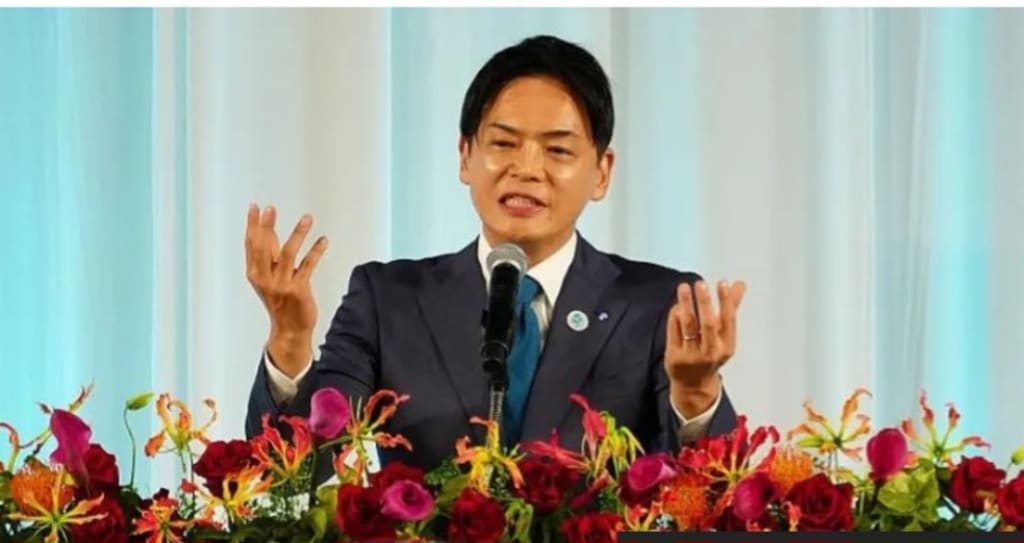
Japanese mayor has issued a public apology after allegedly referring to city employees as “human scum,” a remark that has triggered widespread outrage across the country. The incident has reignited national discussions around workplace harassment, power dynamics in politics, and the responsibilities of public officials in Japan’s traditionally hierarchical society.
The comments reportedly surfaced during an internal meeting at a municipal office, where the mayor, frustrated over administrative delays and internal disagreements, used language that many have described as degrading and dehumanizing. Although the remarks were not initially intended for public release, they quickly became public through staff reports and local media coverage, sparking intense backlash.
Public Apology Amid Mounting Pressure
Following the public reaction, the mayor held a press conference to address the controversy. Bowing deeply — a culturally significant gesture of remorse in Japan — the mayor apologized to the affected staff members and the wider public. He acknowledged that his words were inappropriate and stated that they did not reflect his true intentions or respect for city employees.
“I deeply regret the language I used,” the mayor said. “As a public servant, I should have exercised greater self-control and respect. I sincerely apologize to all those who were hurt.”
Despite the apology, critics argue that the damage has already been done. Many believe that such remarks reveal deeper issues within political leadership and workplace culture, particularly the normalization of verbal abuse by those in positions of authority.
Staff Reactions and Workplace Impact
City employees, speaking anonymously, described the work environment as tense and demoralizing following the incident. Some staff members reportedly felt humiliated and emotionally distressed, while others expressed fear of retaliation for speaking out.
Labor unions and workers’ rights groups have condemned the mayor’s remarks, emphasizing that verbal abuse should never be tolerated, regardless of rank or circumstance. Several organizations have called for an independent investigation into the incident and for stronger protections for municipal employees.
“This is not just about one statement,” said a representative from a local labor union. “It reflects a broader culture where power is abused and workers are expected to endure mistreatment in silence.”
Political Fallout and Public Opinion
The controversy has had significant political repercussions. Opposition parties have demanded the mayor’s resignation, arguing that his behavior undermines public trust and sets a dangerous precedent. Social media platforms in Japan have been flooded with criticism, with many users expressing disappointment and anger.
Hashtags calling for accountability trended nationwide, while others debated whether the apology was sufficient or merely a strategic move to quell public outrage. Some supporters of the mayor argue that the remarks, while inappropriate, were made in a moment of frustration and should not overshadow his administrative achievements.
However, political analysts note that public tolerance for such behavior is diminishing, especially as younger generations push for more transparent, respectful, and inclusive leadership.
Cultural Context and Changing Norms
Japan’s work culture has long been characterized by strict hierarchies, where senior officials wield considerable authority over subordinates. Historically, this structure has sometimes allowed harsh language and behavior to go unchallenged. However, recent years have seen a shift in societal attitudes, with increased awareness of mental health, workplace harassment, and employee rights.
The mayor’s remarks come at a time when Japan is actively grappling with issues such as “power harassment” (pawahara), a term widely used to describe abuse of authority in professional settings. The government has introduced guidelines and legislation aimed at preventing such behavior, particularly in corporate and public institutions.
Experts suggest that incidents like this highlight the gap between policy and practice.
“Apologies are important, but accountability and systemic change are essential,” said a sociologist specializing in workplace culture. “Public officials must lead by example.”
What Comes Next
As investigations continue, it remains unclear whether the mayor will face formal disciplinary action or choose to resign. Some local councils are reportedly reviewing internal protocols to prevent similar incidents in the future, including mandatory harassment training for senior officials.
For many observers, the incident serves as a reminder that leadership is not only about decision-making but also about respect, empathy, and responsibility. Words spoken by those in power carry weight, and when misused, they can erode trust and morale.
Conclusion
The apology issued by the Japanese mayor may mark the beginning of accountability, but it has also opened a broader conversation about leadership standards in modern Japan. As public scrutiny intensifies and societal expectations evolve, incidents like these underscore the urgent need for cultural change within political and administrative institutions.
Whether this controversy will lead to lasting reform or fade into political memory remains to be seen. What is clear, however, is that the public is increasingly unwilling to accept disrespectful behavior from those entrusted with power.
About the Creator
Keep reading
More stories from Ayesha Lashari and writers in The Swamp and other communities.
Blair and Rubio Among Key Names on Gaza’s ‘Board of Peace’
The announcement of a proposed “Board of Peace” for Gaza, reportedly featuring high-profile figures such as former UK Prime Minister Tony Blair and US Senator Marco Rubio, has sparked intense debate across political, diplomatic, and humanitarian circles. Supporters describe the initiative as a bold attempt to stabilize and rebuild Gaza after years of devastation, while critics see it as another example of powerful outsiders shaping the future of a besieged population without meaningful local representation.
By Ayesha Lashariabout 10 hours ago in The Swamp
Iran Edges Closer to a Revolution That Would Reshape the World
For decades, Iran has existed in a state of controlled tension — balancing public dissent, economic pressure, and rigid political authority. Today, that balance appears more fragile than ever. From widespread protests and economic collapse to generational defiance and geopolitical strain, Iran is edging closer to a revolutionary moment that could dramatically reshape not only the Middle East, but the world.
By Aqib Hussain6 days ago in The Swamp


Comments
There are no comments for this story
Be the first to respond and start the conversation.