
Japan Plans to Dissolve Parliament With Possible Snap Election in February: NHK
A bold political move could reshape Japan’s leadership and policy direction

Introduction
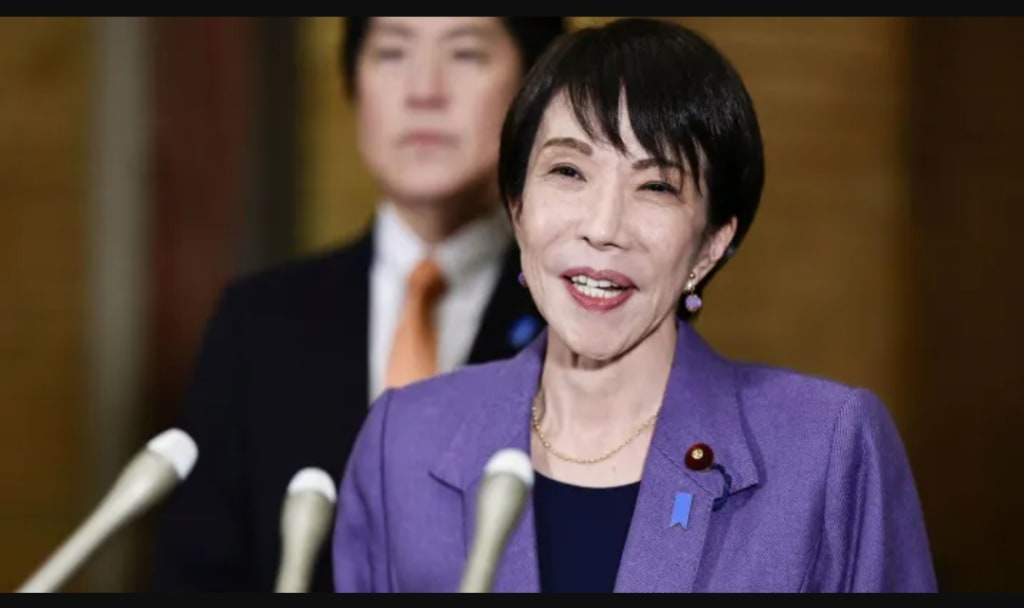
Japan may soon witness a dramatic political development as Prime Minister Sanae Takaichi considers dissolving parliament and calling a snap general election as early as February, according to reports by national broadcaster NHK. If confirmed, the move would accelerate the political calendar and place Japan’s leadership under fresh public scrutiny far earlier than expected.
Snap elections are rare but powerful tools in Japanese politics, often used by prime ministers seeking to strengthen their mandate or capitalize on favorable public opinion. Takaichi’s reported plan suggests confidence in her leadership and a desire to push forward her agenda with renewed legitimacy.
Why a Snap Election Is Being Considered
Although Japan’s next general election is not scheduled until 2028, several political and strategic factors are driving speculation about an early vote.
High Public Approval
Since taking office, Prime Minister Takaichi has enjoyed strong approval ratings, buoyed by her assertive leadership style and promises of economic stability. Political analysts believe she may be aiming to secure a decisive mandate before public sentiment begins to fluctuate.
Parliamentary Dynamics
While the ruling Liberal Democratic Party (LDP) holds control in the lower house, its influence in the upper chamber remains limited. A snap election could help strengthen the party’s overall position and reduce legislative gridlock.
Timing and Momentum
Calling an election while momentum is on her side could allow Takaichi to consolidate power, push through reforms, and reduce reliance on coalition negotiations.
Political Risks and Challenges
Despite the potential advantages, dissolving parliament carries significant risks.
Budgetary Disruptions
A February election could interfere with Japan’s annual budget approval process, raising concerns about fiscal delays and administrative uncertainty.
Opposition Mobilization
The prospect of a snap election has energized opposition parties, who view early polls as an opportunity to challenge the ruling coalition and present alternative leadership.
Policy Delays
Major policy initiatives — including economic reforms and social spending plans — could be postponed during the election period, slowing government action at a critical time.
Market and Economic Reactions
Financial markets have already begun reacting to speculation around early elections. Uncertainty surrounding political continuity has placed pressure on the yen, while investors closely monitor how a renewed mandate might affect government spending and Japan’s public debt levels.
Domestic and Global Implications
Impact at Home
A snap election would test public confidence in Takaichi’s leadership and offer voters a chance to weigh in on economic management, social policies, and governance priorities.
Foreign Policy Signals
Internationally, Japan’s allies and regional rivals would watch closely. A stronger mandate could embolden Tokyo’s foreign and defense policies, particularly in East Asia.
What Happens Next
The decision now rests with the prime minister. If parliament is dissolved when the Diet reconvenes, election campaigning would begin almost immediately. Reports suggest early February dates are already being discussed, indicating preparations may be underway behind the scenes.
Conclusion
Japan’s potential decision to dissolve parliament and call a snap election in February represents a pivotal moment in the nation’s political landscape. Prime Minister Sanae Takaichi appears to be leveraging her current popularity and momentum to secure a stronger mandate, consolidate power, and advance key policies without prolonged negotiation or opposition resistance. While this strategy offers clear advantages for the ruling Liberal Democratic Party, it also carries significant risks, including budgetary delays, policy disruptions, and intensified competition from opposition parties seeking to capitalize on any perceived weaknesses.
Beyond domestic politics, the election could have broader implications for Japan’s economic stability, foreign policy, and regional relations, particularly in East Asia. Investors, diplomats, and international observers are closely monitoring the situation, aware that the outcome could influence trade, security, and diplomatic dynamics in the region. Ultimately, the move highlights the delicate balance between political strategy and democratic responsibility. How voters respond, and whether the prime minister’s gamble pays off, will likely shape Japan’s leadership, policy trajectory, and global standing for years to come, emphasizing the enduring impact of strategic political timing in modern governance.
About the Creator
Asad Ali
I'm Asad Ali, a passionate blogger with 3 years of experience creating engaging and informative content across various niches. I specialize in crafting SEO-friendly articles that drive traffic and deliver value to readers.
The Forsyth House Fire
Since 1851, Forsyth House has stood on the corner of Union Street and Gordon Street in the heart of Glasgow. Its iconic, or was... because on Sunday 8th of March, 2026, a fire broke out in a small, seemingly un-named shop in the building and tore all that history down. As I write, the rubble is still unsettled and the street is still blocked off. Central Station is quiet on the upper level, and around 30 small businesses have quite literally gone up in smoke.
By S. A. Crawford3 days ago in The Swamp



Comments
There are no comments for this story
Be the first to respond and start the conversation.