
Jack Smith’s Capitol Hill Testimony Puts Trump Investigations Back in the Spotlight
Special Counsel’s Capitol Hill Appearance Rekindles Debate Over Accountability, Law, and Public Trust

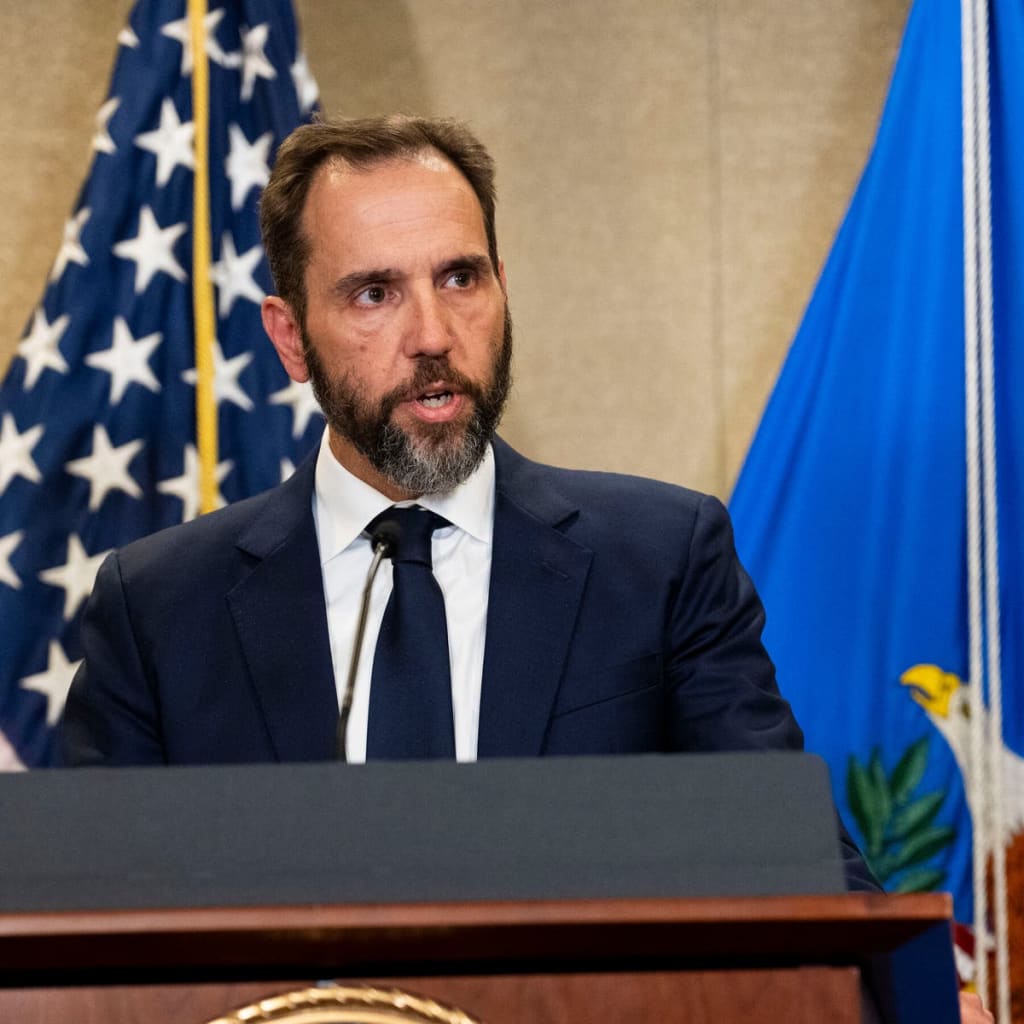
The legal and political storm surrounding former President Donald Trump is set to intensify as Special Counsel Jack Smith prepares to testify before Congress, a move that has reignited national debate over accountability, the rule of law, and the limits of political power. Smith’s appearance is expected to focus on the high-profile federal investigations he led involving Trump’s handling of classified documents and efforts to overturn the 2020 election.
For many Americans, the testimony represents more than a routine congressional hearing. It is a moment that could shape public understanding of how justice is pursued when it involves one of the most powerful political figures in modern U.S. history.
Why Jack Smith’s Testimony Matters
Jack Smith was appointed as special counsel to ensure that the investigations into Trump were handled independently, without political interference. His work resulted in historic indictments that placed a former president under criminal charges—an unprecedented development in American politics.
By agreeing to testify, Smith is stepping into a highly charged environment where legal processes intersect with partisan politics. Lawmakers are expected to question his decision-making, investigative methods, and conclusions, while supporters argue that his testimony could help restore confidence in the justice system.
What Congress Is Likely to Ask
Members of Congress are expected to press Smith on several key issues, including:
The scope of the investigations and how evidence was gathered
Prosecutorial discretion, particularly decisions about charges and timing
Safeguards against political bias during the investigations
Public transparency versus legal confidentiality
Supporters of the investigations argue that Smith followed established legal procedures, while critics—particularly Trump allies—have claimed the cases were politically motivated. Smith’s testimony could offer rare insight into how prosecutors navigate cases involving national leaders.
Community Impact and Public Reaction
Beyond Washington, Smith’s testimony has stirred strong reactions across communities nationwide. For some, it reinforces the idea that no one is above the law, a principle central to democratic governance. For others, it deepens concerns about political polarization and whether the justice system is being used as a tool in partisan battles.
Community leaders and legal advocates note that public trust in institutions is at stake. How Americans interpret Smith’s testimony may influence how communities view law enforcement, courts, and government accountability for years to come.
Trump’s Response and Political Fallout
Donald Trump has repeatedly denied wrongdoing and criticized the investigations as unfair and politically driven. His allies have framed Smith’s congressional appearance as an opportunity to expose what they describe as prosecutorial overreach.
At the same time, Trump’s critics see the testimony as a chance to clarify the legal reasoning behind the charges and to counter claims of bias. With the country already deeply divided, the hearing is expected to further intensify political discourse on both sides.
The Balance Between Law and Politics
Legal experts stress that special counsels rarely testify before Congress, as doing so can risk politicizing legal proceedings. Smith’s appearance underscores the unusual nature of the Trump investigations and highlights the fragile balance between transparency and legal integrity.
From a community perspective, this balance matters deeply. When legal processes appear political, public confidence erodes. When they appear secretive, skepticism grows. Smith’s testimony sits at the crossroads of these concerns.
What This Means for the Justice System
Smith’s testimony could set important precedents for future investigations involving high-ranking officials. It may influence how special counsels are appointed, how they communicate with the public, and how Congress exercises oversight without undermining prosecutorial independence.
For everyday citizens, the stakes are personal. Trust in the justice system affects whether communities believe laws are applied fairly and whether democratic norms are protected during times of political turmoil.
Community Conversations Ahead
As the testimony unfolds, community discussions are expected to intensify—in homes, workplaces, and online spaces. Some will see the moment as a reaffirmation of democratic values, while others may view it as further evidence of political division.
Civic organizations and educators are encouraging people to engage critically, seek verified information, and avoid misinformation, emphasizing that understanding legal processes is essential for healthy public discourse.
Conclusion
Jack Smith’s upcoming testimony before Congress marks a pivotal moment in the ongoing Trump investigations and in the broader conversation about accountability and justice in America. More than a legal update, it is a test of how institutions respond when law, politics, and public trust collide.
For communities across the country, the hearing is a reminder that the health of democracy depends not just on outcomes, but on the transparency, fairness, and integrity of the process itself. As Americans watch closely, the testimony may help shape how the nation moves forward—either toward renewed trust or deeper division.
About the Creator
Asad Ali
I'm Asad Ali, a passionate blogger with 3 years of experience creating engaging and informative content across various niches. I specialize in crafting SEO-friendly articles that drive traffic and deliver value to readers.
The Forsyth House Fire
Since 1851, Forsyth House has stood on the corner of Union Street and Gordon Street in the heart of Glasgow. Its iconic, or was... because on Sunday 8th of March, 2026, a fire broke out in a small, seemingly un-named shop in the building and tore all that history down. As I write, the rubble is still unsettled and the street is still blocked off. Central Station is quiet on the upper level, and around 30 small businesses have quite literally gone up in smoke.
By S. A. Crawford3 days ago in The Swamp
Hottest in the Office
Dear Rafi, You’re very distracting to work around. For the first second I saw you the other day, I thought you were some type of executive. It took a moment to realize no, you were just the new guy, dressed up for the job he wants. Be still, my heart.
By Gabriel Shames6 days ago in Pride


Comments
There are no comments for this story
Be the first to respond and start the conversation.