
Italian Pasta Makers Win Reprieve From Trump Tariffs
A temporary relief for Europe’s iconic food industry amid shifting trade tensions
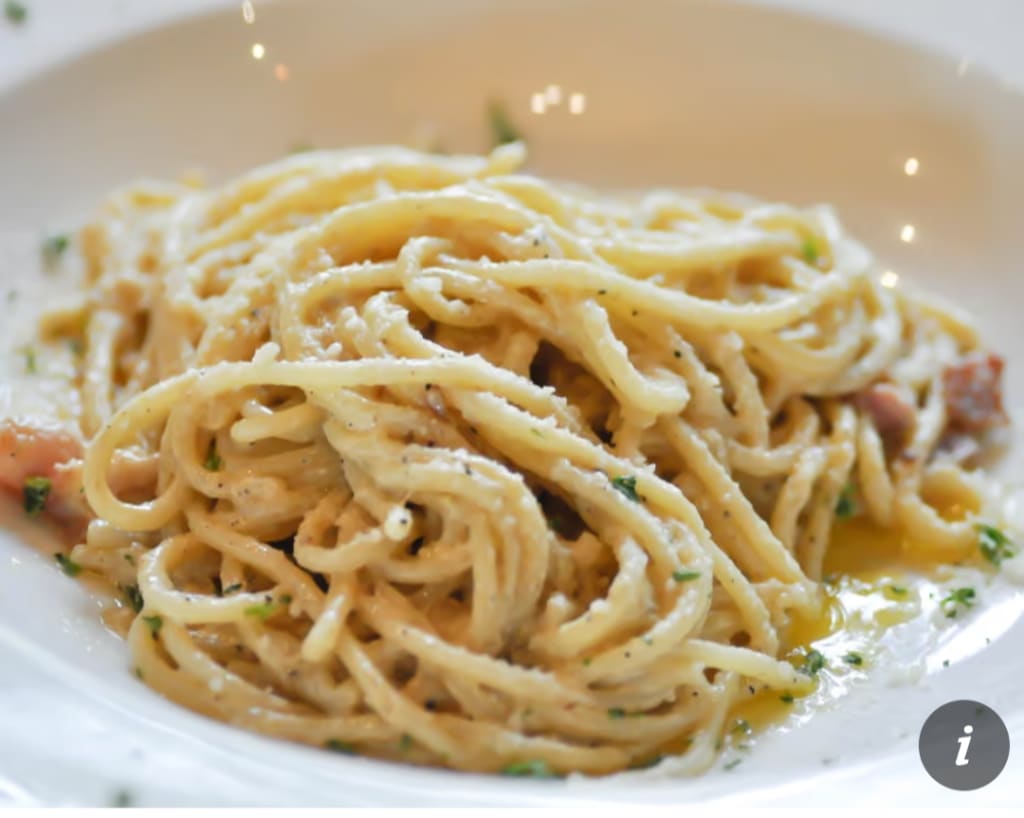
Italian pasta producers have secured a crucial reprieve after former US President Donald Trump signaled a pause—or rollback—on proposed tariffs that threatened to significantly raise the cost of Italian pasta entering the American market. The decision has been welcomed across Italy’s food industry, where pasta is not just a staple product but a symbol of national identity, cultural heritage, and economic resilience.
The development highlights how trade policy decisions can ripple through global supply chains, affecting everyone from wheat farmers and factory workers to restaurant owners and everyday consumers.
Why Italian Pasta Was at Risk
Italian pasta exports to the United States have long been vulnerable to trade disputes between Washington and Brussels. During Trump’s presidency, tariffs were frequently used as a negotiating tool, often tied to broader disagreements over aircraft subsidies, steel imports, and agricultural standards.
Pasta, despite its cultural significance, was swept into these disputes as a collateral product, facing the threat of additional duties that would have increased prices and reduced competitiveness in one of Italy’s most important export markets.
For Italian producers, the US represents a key destination, accounting for a large share of overseas pasta sales. Any increase in tariffs risked pushing American buyers toward cheaper alternatives produced domestically or in other countries.
A Welcome Decision for Italian Producers
Industry groups across Italy responded with relief and cautious optimism. Pasta manufacturers, many of them family-run businesses operating for generations, had warned that tariffs would hurt not only profits but also long-term relationships with US distributors and consumers.
Trade associations argued that higher costs would be passed down the supply chain, making Italian pasta less accessible to American households already dealing with inflation and rising grocery bills.
The reprieve, even if temporary, allows producers to stabilize prices, maintain export volumes, and plan production without the immediate fear of sudden trade penalties.
Impact on American Consumers
The tariff pause is also good news for American consumers. Italian pasta occupies a unique place in US kitchens, valued for its quality, tradition, and perceived authenticity. Higher tariffs would likely have translated into higher retail prices, reducing choice on supermarket shelves.
Restaurant owners, particularly Italian-American establishments, had also expressed concern. Many rely on imported pasta brands to maintain authenticity and consistency in their dishes. Increased costs could have forced menu price hikes or changes in sourcing.
By easing tariff pressure, the decision helps preserve consumer access to premium imported goods at a time when food affordability remains a major concern.
The Politics Behind the Reprieve
While Trump has long promoted tariffs as a way to protect American industries, the reprieve reflects the complex political calculations behind trade policy. Food products like pasta carry symbolic weight and can spark backlash when consumers feel the impact directly.
Analysts note that easing tariffs on widely consumed goods can help avoid political fallout, particularly when voters are sensitive to cost-of-living issues. The move may also signal an effort to recalibrate trade strategies without appearing to abandon a tough stance on international negotiations.
For Italy and the European Union, the decision is seen as a diplomatic win, reinforcing the importance of dialogue over escalation.
Italy’s Pasta Industry: More Than a Business
Italy’s pasta industry is deeply intertwined with national identity. From small artisanal producers to global brands, pasta manufacturing supports thousands of jobs and sustains rural economies tied to durum wheat production.
Exports play a vital role in keeping the industry competitive. The US market, in particular, has helped Italian pasta makers expand globally while maintaining traditional production standards.
Tariffs threaten not just revenue but also cultural exchange, reducing the presence of traditional foods abroad and weakening long-standing culinary ties between countries.
Uncertainty Still Looms
Despite the reprieve, uncertainty remains. Trade policies can change quickly, and businesses are wary of making long-term investments based on short-term decisions. Industry leaders are urging policymakers on both sides of the Atlantic to pursue stable, predictable trade frameworks.
Many pasta makers are also diversifying export markets to reduce reliance on any single country. While the US remains crucial, producers are expanding in Asia, the Middle East, and Latin America to hedge against future disruptions.
A Broader Lesson on Trade and Food
The pasta tariff episode underscores a broader lesson: food products are uniquely sensitive to trade disputes. Unlike industrial goods, they are closely tied to everyday life, culture, and public sentiment.
When tariffs target food, the consequences are immediately visible—at grocery stores, restaurants, and family tables. This visibility often amplifies public reaction, forcing policymakers to reconsider.
For Italian pasta makers, the reprieve is a reminder that global food systems depend as much on diplomacy as on demand.
Conclusion
Italian pasta producers have won a significant, if tentative, victory with the reprieve from Trump-era tariffs. The decision offers breathing room for an industry that blends tradition with global commerce and provides reassurance to American consumers who value quality and choice.
Yet the episode also highlights the fragility of international trade relationships and the importance of cooperation over confrontation. As global markets remain interconnected, the future of something as simple as a plate of pasta may depend on decisions made far beyond the kitchen.
For now, Italian pasta remains affordable, accessible, and firmly on American tables—a small but meaningful win in the complex world of global trade.
About the Creator
Keep reading
More stories from Aarif Lashari and writers in The Swamp and other communities.
US Homeland Security Condemned for Using Japanese Artist’s Work Without Consent
The United States Department of Homeland Security (DHS) is facing growing criticism after it emerged that the agency used artwork created by a Japanese artist without permission, igniting a global conversation about copyright, creative ownership, and ethical responsibility—especially when governments are involved.
By Aarif Lashari2 months ago in The Swamp
A Gathering of Evil Bosses
“I’m the queen of chin jutting while I smooth my hair, attacking, insulting, and deflecting to protect my appointer.” “Oh, please, Blondi, my hair is curled, highlighted, and longer than yours. I feature television commercials telling immigrants that we will give them a free plane ride home, and if they voluntarily turn themselves in, they will be allowed to legally apply for re-entry. It runs everywhere, and I look good in it! You can’t compete because of your blond hair. Mine is nicer, and my lips are prettier than yours.”
By Andrea Corwin 10 days ago in The Swamp
A Planetary Alignment will coincide with Mercury Retrograde
Double phenomena in the heavens Some people say in jest that the planets have aligned in their favor when life works the way they desire. Were you aware that there are seasons when things do line up in the heavens? There will be a planetary alignment AKA a planet parade, on February 28, 2026.
By Cheryl E Preston3 days ago in FYI




Comments
There are no comments for this story
Be the first to respond and start the conversation.