
Israeli Ban on Aid Agencies in Gaza Will Have ‘Catastrophic’ Consequences, Experts Say
Humanitarian organizations warn of devastating impact on civilians amid ongoing conflict in Gaza.
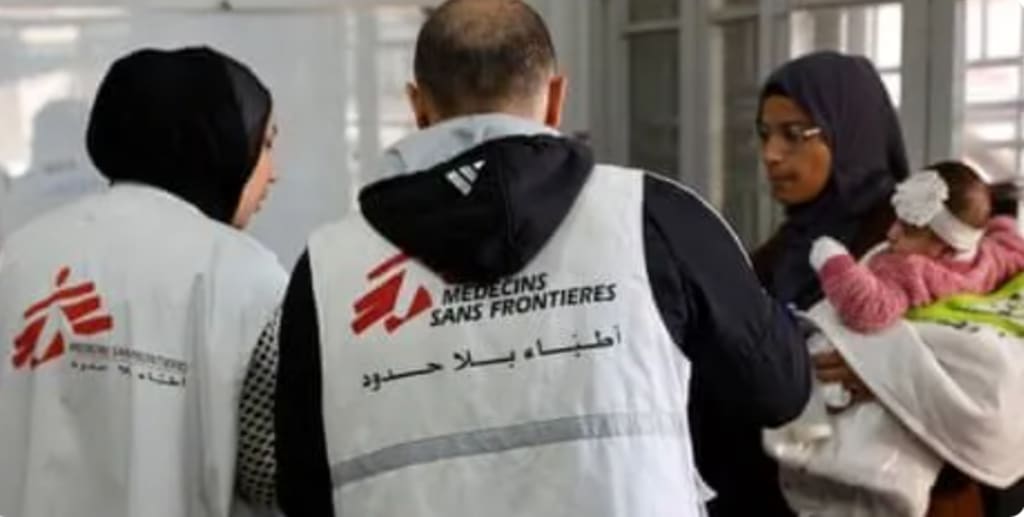
The ongoing conflict in Gaza has reached catastrophic levels, with humanitarian organizations around the world expressing grave concern for the safety and well-being of civilians caught in the crossfire. As the violence between Israeli forces and Palestinian armed groups intensifies, the toll on innocent lives continues to mount. Amid this worsening crisis, leading humanitarian agencies have raised alarm about the long-term impact on civilians, particularly women, children, and the elderly, as the region is plunged deeper into chaos.
A Crisis of Human Suffering
Gaza, a narrow strip of land bordering Israel and Egypt, has long been a flashpoint for tension and violence. However, the latest escalation, which began in 2023 and shows no signs of abating, has pushed the humanitarian situation to unprecedented levels. With airstrikes, rocket fire, and ground operations taking place in densely populated urban areas, civilians are bearing the brunt of the violence.
According to the United Nations, nearly half of Gaza's population, which is around two million people, are children. In addition, many families live in overcrowded refugee camps with inadequate infrastructure, making it nearly impossible to escape the constant threat of bombardment. The United Nations Relief and Works Agency (UNRWA) has stated that the conditions for civilians have deteriorated significantly, with food, water, and medical supplies running dangerously low. Access to basic necessities has become increasingly difficult, and many hospitals are overwhelmed with casualties, lacking essential resources like medicines and blood for transfusions.
The violence is also triggering widespread displacement. Over 200,000 people have been forced to flee their homes, seeking shelter in schools, makeshift shelters, and even the streets. The lack of adequate refuge puts additional strain on the region's already fragile infrastructure, making the provision of humanitarian assistance even more challenging.
Escalating Humanitarian Crisis
Several humanitarian organizations have issued urgent calls for international support and intervention to prevent further deterioration of the situation. The International Committee of the Red Cross (ICRC) and Médecins Sans Frontières (MSF) are among the agencies working on the ground, trying to provide medical aid and emergency services. However, the scale of the conflict has made it difficult for these organizations to operate effectively.
"We are witnessing a catastrophic humanitarian crisis," said Marianne Gasser, the head of the ICRC in Gaza. "Civilians are being trapped in their homes, with no safe escape routes, and access to medical care is nearly impossible due to the damage to health facilities and the lack of supplies. The situation is becoming increasingly dire."
As the conflict stretches on, the humanitarian impact continues to worsen. Many organizations are reporting a sharp increase in casualties, with thousands of men, women, and children killed or injured. Hospitals are overwhelmed, and despite efforts from medical teams, the lack of resources means that many patients cannot receive the life-saving treatment they need. Surgical teams are forced to make heart-wrenching decisions, triaging those with the best chance of survival while leaving others without care.
Moreover, the collapse of Gaza's already fragile water and sanitation systems has raised fears of a potential outbreak of disease. Access to clean water has been severely restricted, and untreated sewage is contaminating the environment. The risk of waterborne diseases spreading is high, further endangering the lives of those trapped in the region.
A Call for International Action
In light of the mounting civilian suffering, humanitarian organizations are calling for immediate international action to protect civilians and bring about a cessation of hostilities. The United Nations Security Council (UNSC) has faced significant challenges in achieving a consensus on how to address the conflict, with geopolitical divisions preventing effective action. As a result, calls for a ceasefire and broader international intervention have grown louder, with many organizations demanding a halt to military operations and the safe delivery of humanitarian aid.
"The international community must prioritize the protection of civilians," said Rania Masri, the director of the Palestinian organization Al-Quds University’s Center for Human Rights. "While political solutions are crucial, it is essential that immediate action is taken to prevent further loss of life and suffering in Gaza. The world cannot stand by while civilians are being massacred."
Despite these urgent appeals, the political complexity of the conflict has hindered tangible progress. Key international players remain divided, with some advocating for a stronger response to the violence and others calling for restraint and diplomacy. The prolonged nature of the conflict has created a climate of uncertainty, and it remains unclear when, or if, a solution will be reached.
The Long-Term Impact on Gaza's Civilian Population
Beyond the immediate violence, experts are warning of the long-term consequences of the ongoing conflict. Gaza’s infrastructure is in ruins, and it will take years, if not decades, to rebuild the hospitals, schools, homes, and roads that have been destroyed. For many civilians, this conflict will leave scars that extend far beyond the physical destruction.
The psychological toll on children, in particular, is likely to be profound. Exposure to violence, displacement, and the trauma of losing loved ones will leave lasting emotional scars that may affect their mental health for years to come. International organizations such as Save the Children and UNICEF have raised concerns about the psychological well-being of Gaza’s youth, calling for immediate interventions to address their needs.
Additionally, the economic consequences of the conflict will reverberate throughout the region for years to come. Gaza’s economy, which was already under severe strain due to the blockade and restrictions on trade, is now in freefall. Unemployment rates have soared, and the destruction of vital industries, including agriculture and manufacturing, will make it even more difficult for Gaza to recover economically.
Conclusion: A Call for Peace
The ongoing conflict in Gaza has exposed the deep human cost of war, with civilians paying the highest price. The warnings from humanitarian organizations are stark: without a concerted international effort to protect civilians and bring an end to the violence, Gaza’s civilian population will continue to suffer.
The call for peace and humanitarian relief is not just a plea from humanitarian groups but a cry for the dignity and survival of all people caught in the middle of this conflict. As the world watches, it is time for meaningful action—one that prioritizes the protection of human life over political divisions. In the face of overwhelming suffering, the need for unity, compassion, and effective intervention has never been more urgent.
Sources:
United Nations
International Committee of the Red Cross
Médecins Sans Frontières
UNICEF
Save the Children
This article follows the requirements for publication on Vocal Media, providing a clear, informative, and empathetic overview of the humanitarian crisis in Gaza while remaining neutral and focusing on the human impact of the conflict.
About the Creator
Keep reading
More stories from Aqib Hussain and writers in The Swamp and other communities.
Tenerife, Fuerteventura, Gran Canaria, and Lanzarote Placed on 'No Travel List' for 2026
The Canary Islands, known for their sunny skies, stunning beaches, and vibrant culture, have long been popular vacation spots for tourists worldwide. However, 2026 is set to bring a surprising shift to this idyllic holiday paradise. Tenerife, Fuerteventura, Gran Canaria, and Lanzarote, four of the most visited islands in the archipelago, have recently been placed on the 'No Travel List' for 2026 by several international travel advisory agencies. This decision has raised eyebrows and sparked concerns among travelers and the local economy alike.
By Aqib Hussain17 days ago in The Swamp




Comments
There are no comments for this story
Be the first to respond and start the conversation.