
Israel Watches Iran Protests Closely, but Is Wary of Intervening
From Public Support to Private Restraint: Israel’s Measured Approach

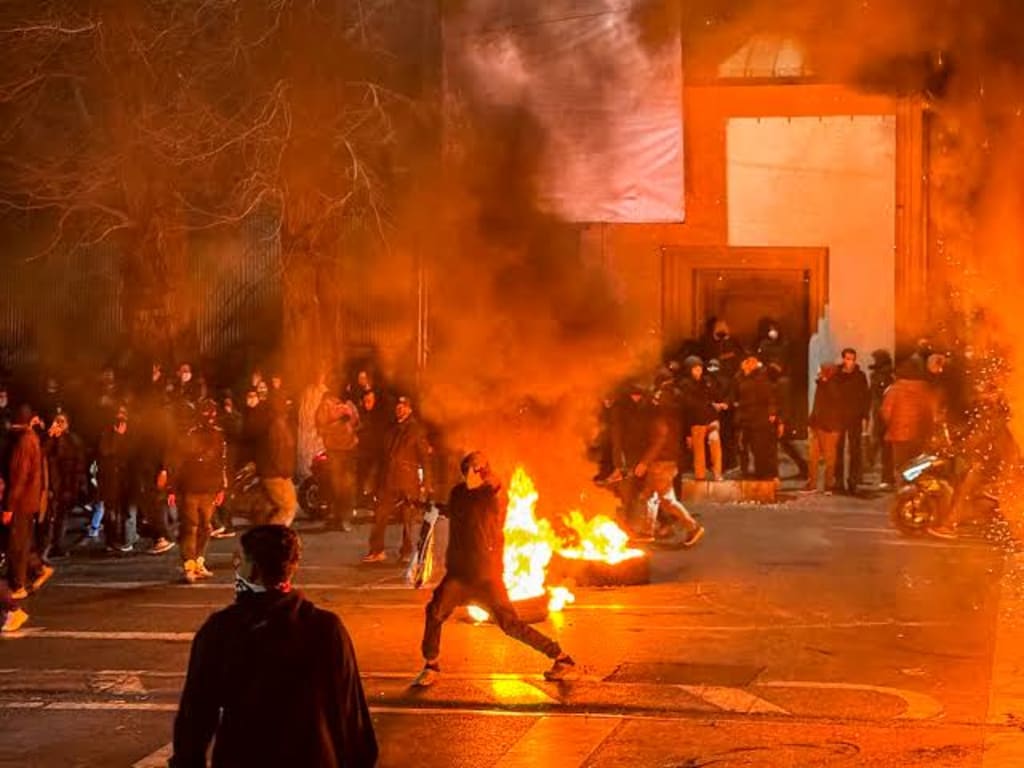
As Iran undergoes one of the most intense waves of civil unrest in decades, neighboring Israel is paying very close attention — but it is cautious about taking direct action. The widespread protests, which began in late December across cities and towns in Iran over economic hardship and political repression, have rapidly evolved into a nationwide movement demanding deep reform of the Islamic Republic’s leadership. Israel’s response reflects a delicate balance between diplomatic restraint, security interests, and humanitarian empathy. �
AP News +1
Unrest in Iran: A Regional Flashpoint
Iran’s protests have spread throughout its provinces, fueled by mounting frustration with economic conditions, political repression, and a government increasingly isolated from its citizens. Internet shutdowns, mass arrests, and significant civilian casualties have drawn international condemnation and sparked global protests in solidarity with the Iranian people. �
Le Monde.fr
For Israel — a regional rival with a history of conflict with Tehran — the protests carry significant geopolitical implications. Any internal upheaval in Iran could reshape Middle Eastern power dynamics, potentially weakening the influence of Tehran-backed groups and altering the strategic calculus for both nations.
Public Statements vs. Strategic Caution
Israeli leaders have publicly framed their stance in measured terms. Prime Minister Benjamin Netanyahu and other officials expressed support for the Iranian protesters, praising their courage and condemning the regime’s violent crackdowns. Netanyahu’s comments have emphasized sympathy for the Iranian people’s quest for freedom and an end to tyranny. �
Mid-day
Yet beyond these public statements, Israel’s approach is rooted in caution. Senior Israeli defense officials have refrained from advocating overt military intervention, viewing the unrest primarily as an internal Iranian matter. Analysts and military sources suggest that Israel believes any external military involvement could backfire, potentially uniting Iranians against perceived foreign interference and strengthening the regime’s grip rather than weakening it. �
AP News
Strategic Restraint and Security Priorities
Israel’s caution stems from several security considerations:
Risk of Escalation: Direct military involvement could escalate hostilities between Iran and Israel into open conflict, potentially triggering missile attacks or proxy warfare via Hezbollah and allied militias. �
AP News
Uncertain Outcomes: External intervention might not produce the desired outcome of regime reform. Instead, it could bolster nationalist sentiment within Iran and undermine the protest movement’s legitimacy. �
AP News
Regional Stability: Many regional actors, including Turkey and other Middle Eastern governments, have explicitly warned against foreign meddling in Iran, arguing it could destabilize the broader region. �
Reuters
For now, Israel’s military remains on heightened alert. Defense forces are closely monitoring potential fallout, including Iranian missile activity or asymmetric responses that could threaten Israeli territory. However, operational leaders have made clear that they are not preparing for offensive action related to the protests unless directly threatened.
Behind the Scenes: Quiet Diplomacy
While Israel publicly endorses the aspirations of Iranian protesters, it is also engaged in quiet diplomatic maneuvering. Recent reports suggest that Israeli and Iranian officials exchanged non-attack assurances through third-party intermediaries like Russia in the weeks preceding the protests. According to diplomatic sources, these informal communications reflected a shared desire to avoid direct conflict — even between sworn adversaries — provided neither side initiated aggressive actions. �
SAMAA TV
This restraint is notable given the fraught history between the two nations, including a short but intense conflict in 2025 involving Israeli strikes on Iranian nuclear and missile facilities. Rather than reigniting hostilities, both sides appear focused on managing risk while observing how events unfold within Iran itself.
Public Opinion and Social Solidarity
Within Israel, public reactions have been mixed. Many Israelis — particularly among the Persian-speaking community and human rights activists — have expressed solidarity with Iranian protesters. Large demonstrations in cities like Holon have brought diverse groups together in support of the Iranian people’s struggle for freedom and dignity. �
www.israelhayom.com
However, others emphasize security concerns and the potential ramifications of deeper involvement. For them, stability in Iran — even under the current regime — is preferable to unpredictable change that could empower extremist factions or trigger regional conflict.
Looking Ahead
Israel’s approach to the unfolding crisis in Iran illustrates a nuanced blend of empathy, strategic caution, and geopolitical prudence. By publicly supporting the aspirations of Iranian citizens while avoiding direct intervention, Jerusalem hopes to strike a balance that safeguards its own national security without closing the door on potential future opportunities for regional engagement and reform.
The situation remains fluid: should Iran’s internal unrest continue to intensify or escalate into broader conflict, Israel may be forced to reassess its posture. For now, the focus remains on monitoring, deterrence, and diplomatic positioning — mindful that the long shadow of Iran’s protests could shape the Middle East for years to come.
About the Creator
Fiaz Ahmed Brohi
I am a passionate writer with a love for exploring and creating content on trending topics. Always curious, always sharing stories that engage and inspire.
Keep reading
More stories from Fiaz Ahmed Brohi and writers in The Swamp and other communities.
First French FDI Frigate Begins Long-Duration Deployment
The French Navy has officially commenced the long-duration deployment of its first FDI (Frégate de Défense et d’Intervention) frigate, marking a significant milestone in France’s maritime defense capabilities. Designed for multi-mission roles, the FDI class frigates are intended to replace older vessels in the French fleet while delivering advanced technological capabilities for both national defense and international operations. This deployment signals France’s commitment to maintaining a robust naval presence in strategic waters amid rising global maritime tensions. The FDI frigate, equipped with state-of-the-art sensors, stealth features, and advanced weapons systems, is expected to perform a variety of missions during its deployment. These include maritime surveillance, anti-submarine warfare, protection of sea lanes, and supporting international coalition operations. The ship’s design incorporates modern combat systems, including the Sea Fire 500 radar and Aster missile systems, allowing it to track and neutralize aerial, surface, and underwater threats. French naval officials emphasize that the FDI frigate is capable of operating autonomously or as part of a larger naval task force, enhancing operational flexibility. The deployment represents not only a technological achievement but also a strategic statement. France has been actively expanding its naval influence in key regions, including the Indo-Pacific, the Mediterranean, and the Atlantic. With global security challenges evolving rapidly, particularly in contested maritime zones, the FDI frigate’s extended deployment demonstrates France’s readiness to project power and safeguard maritime interests. Officials have highlighted that this deployment will involve extensive exercises, joint maneuvers with allied navies, and operational patrols in areas critical to international trade and security. The FDI program itself has been a centerpiece of French naval modernization efforts. These frigates are smaller and more cost-effective than larger destroyers, but they do not compromise on firepower or technological sophistication. The construction of the first FDI frigate involved advanced shipbuilding techniques to improve stealth capabilities, reduce maintenance costs, and ensure long-term sustainability. By integrating cutting-edge electronics, propulsion systems, and automated operations, these frigates exemplify a new generation of naval engineering that blends efficiency with combat readiness. French defense experts note that the FDI frigate’s deployment is part of a broader plan to reinforce Europe’s maritime security posture. As geopolitical tensions rise in areas such as the South China Sea, the Eastern Mediterranean, and the North Atlantic, France aims to maintain a credible naval presence that can respond swiftly to emerging threats. The FDI frigate’s ability to integrate with multinational naval forces, including NATO operations, enhances its role as a versatile instrument of both national defense and international cooperation. During the upcoming deployment, the frigate will participate in exercises designed to test its combat systems under realistic conditions. These exercises are expected to include anti-air, anti-ship, and anti-submarine operations, providing valuable operational data and refining crew readiness. Furthermore, the deployment will involve diplomatic visits to friendly ports, reinforcing France’s role as a strategic partner in global maritime affairs. This dual focus on operational capability and international cooperation underscores the strategic importance of the FDI program. The successful launch and deployment of the FDI frigate also have broader implications for France’s domestic defense industry. The program supports high-tech manufacturing jobs, fosters innovation in shipbuilding, and strengthens the country’s strategic independence. The integration of advanced weaponry and electronics demonstrates France’s capability to produce cutting-edge military technology domestically, reducing reliance on foreign suppliers. In conclusion, the long-duration deployment of the first French FDI frigate marks a major milestone in both naval modernization and strategic maritime presence. Its advanced capabilities, versatility, and readiness to operate in diverse scenarios highlight France’s commitment to safeguarding its interests and contributing to international maritime security. As the FDI frigate begins its mission, it not only showcases France’s technological achievements but also signals its enduring commitment to maintaining a credible and agile naval force on the global stage.
By Fiaz Ahmed Brohi5 days ago in The Swamp
Grief Over Pet Death Can Be as Strong as That for a Family Member, Survey Shows
For many, pets are more than just animals; they are companions, confidants, and family members. A recent survey has revealed that the grief experienced after the death of a beloved pet can be as intense as mourning the loss of a close family member, underscoring the profound emotional significance of human-animal relationships. The survey, conducted across multiple countries, sheds light on the psychological and social impacts of pet loss, highlighting how society often underestimates the depth of grief associated with losing a furry, feathered, or scaled friend. The Survey Findings The survey included thousands of participants who had experienced the death of a pet, asking them to rate their grief and compare it with other life events. Key findings include: Emotional intensity: Around 70% of respondents reported that their grief over a pet was as strong, or stronger, than grief experienced for a close relative. Duration of mourning: Many participants noted that grief lasted weeks to months, with some describing lingering emotional effects for years. Social recognition: Over 60% of respondents felt that their grief was not fully recognized by friends or family, often leading to feelings of isolation. These results highlight that pet loss is not trivial or fleeting, but a legitimate emotional experience that can significantly affect mental health. Why Pet Loss Can Be So Painful The intense grief associated with losing a pet is rooted in several factors: Unconditional companionship: Pets provide constant support and affection, often without judgment, creating deep emotional bonds. Routine and lifestyle changes: Pets become woven into daily routines, and their absence disrupts normal life, contributing to feelings of emptiness. Emotional support: Many people rely on pets for comfort during stressful periods. The loss of this support system can be emotionally destabilizing. Anthropomorphism: Owners often attribute human-like emotions and personalities to pets, which strengthens the emotional connection. These factors combine to make the loss of a pet deeply personal and emotionally impactful. Types of Pets and Grief While dogs and cats are the most commonly reported pets in grief surveys, studies show that owners of birds, rabbits, reptiles, and even fish can experience similarly profound grief. Dogs: Often mourned for their loyalty, companionship, and protective nature. Cats: Valued for affection, playfulness, and calming presence. Exotic pets: Owners may experience grief linked to unique bonds and care routines. The intensity of grief may also correlate with the length of the relationship, the pet’s role in the family, and the circumstances of their death. Psychological Effects of Pet Loss Grieving a pet can manifest in ways similar to grieving a human loved one, including: Sadness and crying Sleep disturbances Loss of appetite Social withdrawal or irritability Guilt or feelings of responsibility for the pet’s death Mental health professionals note that acknowledging these feelings is crucial. Suppressing grief or minimizing the loss can lead to prolonged emotional distress or depression. Societal Perceptions and Misunderstanding One challenge pet owners face is that society often underestimates or dismisses their grief. Phrases like “It was just a pet” or “You can get another one” can exacerbate emotional pain and make the bereaved feel invalidated. Experts emphasize that recognizing pet grief is vital for emotional recovery. Many workplaces, schools, and communities are beginning to acknowledge pet loss in bereavement policies, reflecting a growing understanding of its psychological impact. Coping Mechanisms and Support People cope with pet loss in various ways, including: Memorializing the pet: Creating photo albums, planting trees, or holding small ceremonies can provide closure. Support groups: Pet loss support groups, both online and in person, allow owners to share experiences and find understanding. Professional counseling: Therapists trained in grief counseling can help individuals navigate intense emotions and prevent prolonged distress. Continuing routines: Some owners find comfort in volunteering at animal shelters or fostering pets, keeping a connection to animals alive. Cultural practices also influence how grief is expressed. In some countries, rituals or pet funerals help formalize mourning and provide social support. Recognizing Pet Grief in Children Children can experience pet loss intensely but differently than adults. They may express grief through: Play or drawing, reflecting their memories Regressive behavior, like bed-wetting or clinginess Withdrawal or irritability Parents are encouraged to validate children’s feelings, explain the pet’s death honestly, and provide opportunities for rituals or goodbyes, such as memorials or planting a tree. Changing Cultural Attitudes As pets increasingly become family members, cultural attitudes toward pet grief are evolving. Some trends include: Pet bereavement leave: Companies and organizations offering time off for employees after a pet dies. Therapeutic services: Counseling and hotlines specifically for pet loss. Social media acknowledgment: Online communities where people share memories and support each other. These changes help normalize pet grief and encourage individuals to seek support without shame. Expert Opinions Dr. Karen Smith, a psychologist specializing in grief counseling, explains: “People often underestimate the grief associated with losing a pet, but it is real and can be profoundly impactful. Acknowledging it, talking about it, and seeking support are crucial steps in healing.” Veterinarians also note that pet loss can affect physical health, with increased stress, headaches, and fatigue being common among those grieving. Final Thoughts The survey underscores a powerful truth: pets are family, and losing them can be devastating. Recognizing the depth of grief associated with pet loss is essential for emotional well-being and social understanding. Whether it’s a dog, cat, bird, or other companion, the bond people form with animals is deep, meaningful, and enduring. By acknowledging this grief, society can help ensure that pet owners receive empathy, support, and space to mourn, validating one of the most profound emotional experiences in human life.
By Muhammad Hassan4 days ago in The Swamp


Comments
There are no comments for this story
Be the first to respond and start the conversation.