
Israel Plans Significant Response to Iranian Missile Attack
Israel Prepares Strong Retaliation After Iran's Missile Attack Amid U.S. Calls for Caution
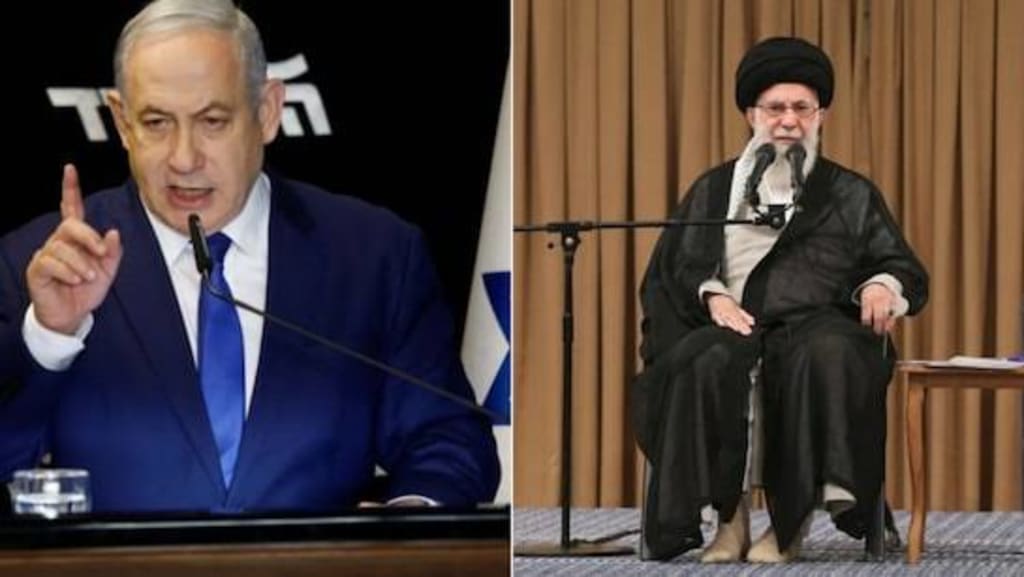
The Israeli Defense Forces (IDF) are preparing a "serious and significant" response to Iran's recent ballistic missile attack, according to statements made by Israeli military officials. The attack, which took place on Tuesday night, involved approximately 200 ballistic missiles aimed at various locations in Israel, causing some damage to military infrastructure but not critically affecting Israeli Air Force operations.
Despite the impact of several missiles on airbases, Israel reported that no aircraft or vital systems were harmed. Still, the IDF is treating the situation with utmost seriousness and is devoting considerable time to planning a counterattack. On Wednesday, IDF Chief of Staff Lt. Gen. Herzi Halevi emphasized that Israel can “reach and strike any point in the Middle East,” signaling the country’s readiness to respond forcefully.
Prime Minister Benjamin Netanyahu and Defense Minister Yoav Gallant are expected to approve the military’s planned response soon. During a security cabinet meeting, Netanyahu declared that Iran had made a “big mistake” with the missile attack and vowed that Tehran would face consequences.
US Urges Caution in Israel’s Response
Meanwhile, the United States has been urging Israel to avoid targeting Iran’s oil and nuclear infrastructure in its retaliation. President Joe Biden has voiced his concerns, suggesting that Israel should consider other alternatives. He specifically pointed out that striking Iranian oil facilities could lead to global economic disruptions, as oil prices are already sensitive to tensions in the region. Biden mentioned on Friday that discussions about a potential strike on Iran’s oil fields had contributed to a recent spike in oil prices, heightening fears of further supply shocks.

However, Iranian officials, including Oil Minister Mohsen Paknejad, have downplayed the threat, saying they are "not worried" about the current conflict's escalation. Paknejad made his remarks during a visit to Assaluyeh, a key energy hub in Iran. Despite the ongoing tensions, Iran's leadership seems unfazed by the possibility of an Israeli strike on their oil infrastructure.
Iran Calls for Ceasefires Amid Rising Tensions
Iran’s Foreign Minister Abbas Araghchi, who was visiting Damascus, called for ceasefires in both Gaza and Lebanon. Araghchi emphasized the importance of de-escalation in the region, saying that diplomatic consultations were ongoing and that there were efforts underway to secure peace. His remarks came in the wake of a year-long conflict that began after a deadly attack by Hamas on Israel in October, which claimed 1,200 Israeli lives and resulted in 251 hostages. The conflict has since drawn in Iran’s Lebanese ally, Hezbollah, further intensifying the situation.
During his visit, Araghchi met with Syrian officials to discuss the ongoing developments and efforts toward securing a truce. He had earlier visited Beirut, where he expressed support for a ceasefire in Lebanon that would satisfy Hezbollah, a key Iranian-backed militia. While Araghchi’s comments reflect Iran’s desire for ceasefires, Iranian Supreme Leader Ayatollah Ali Khamenei had a different tone. Khamenei praised the missile attacks on Israel and expressed support for continued resistance from groups like Hamas and Hezbollah.
Missiles Penetrate Israeli Defenses
Reports from *The Washington Post* confirmed that around two dozen Iranian missiles managed to bypass Israeli air defenses, striking or landing near key military and intelligence locations. Several missiles hit the Nevatim airbase in southern Israel, and others struck the Tel Nof base in central Israel. Two missiles even landed close to Mossad’s headquarters in Glilot. Despite this, the IDF stressed that the air defense systems successfully prevented significant damage or casualties.
Iran's Continued Weapon Deliveries to Hezbollah
Israel’s tensions with Iran also extend to Lebanon, where Hezbollah, Iran’s proxy militia, has been a long-standing threat to Israeli security. The IDF has intensified efforts to prevent weapons from reaching Hezbollah, targeting key supply routes between Syria and Lebanon. On Saturday, an Iranian Qeshm Fars Air flight reportedly carrying weapons to Hezbollah was forced to turn around over Iraqi airspace after warnings from Israel.
Israel’s military has kept up strikes on Syrian locations believed to be used for storing Iranian weapons intended for Hezbollah. The IDF has also maintained a military blockade on Lebanon, aiming to stop further arms deliveries from reaching the group.
Khamenei's Defiant Stance
In a rare Friday sermon, Iranian Supreme Leader Ayatollah Khamenei praised the missile strikes on Israel and reaffirmed Iran’s support for Hamas and Hezbollah. Speaking to tens of thousands of supporters, Khamenei declared that Israel would not defeat these resistance groups and vowed that the fight would continue, despite Israel’s ongoing efforts to eliminate key militant leaders. His defiant stance echoed through the streets of Tehran, where supporters carried portraits of fallen leaders from Hezbollah and Hamas.
As the situation continues to develop, Israel’s response to Iran’s missile attack will be closely watched. Both countries are navigating complex military and diplomatic pressures, with the potential for escalation always looming. While calls for ceasefires and peace negotiations are ongoing, the realities on the ground suggest that tensions will remain high in the days to come.
About the Creator
A Gathering of Evil Bosses
“I’m the queen of chin jutting while I smooth my hair, attacking, insulting, and deflecting to protect my appointer.” “Oh, please, Blondi, my hair is curled, highlighted, and longer than yours. I feature television commercials telling immigrants that we will give them a free plane ride home, and if they voluntarily turn themselves in, they will be allowed to legally apply for re-entry. It runs everywhere, and I look good in it! You can’t compete because of your blond hair. Mine is nicer, and my lips are prettier than yours.”
By Andrea Corwin 16 days ago in The Swamp
📢 Raise Your Voice Thread: 03/05/2026
Our “Raise Your Voice Threads” are hosted most alternating Thursdays at 12PM ET to offer creators more avenues to uncover exceptional stories on Vocal. As we are continuously searching for fresh creators and inspiring stories, this thread provides an opportunity to exchange and discuss the stories that have moved and motivated us on Vocal.
By Raise Your Voice by Vocalabout 19 hours ago in Resources




Comments
There are no comments for this story
Be the first to respond and start the conversation.