
Iran Wants to Change Venue and Format of Nuclear Talks With the U.S., Axios Reports
A Diplomatic Shift That Could Redefine the Future of Nuclear Negotiations

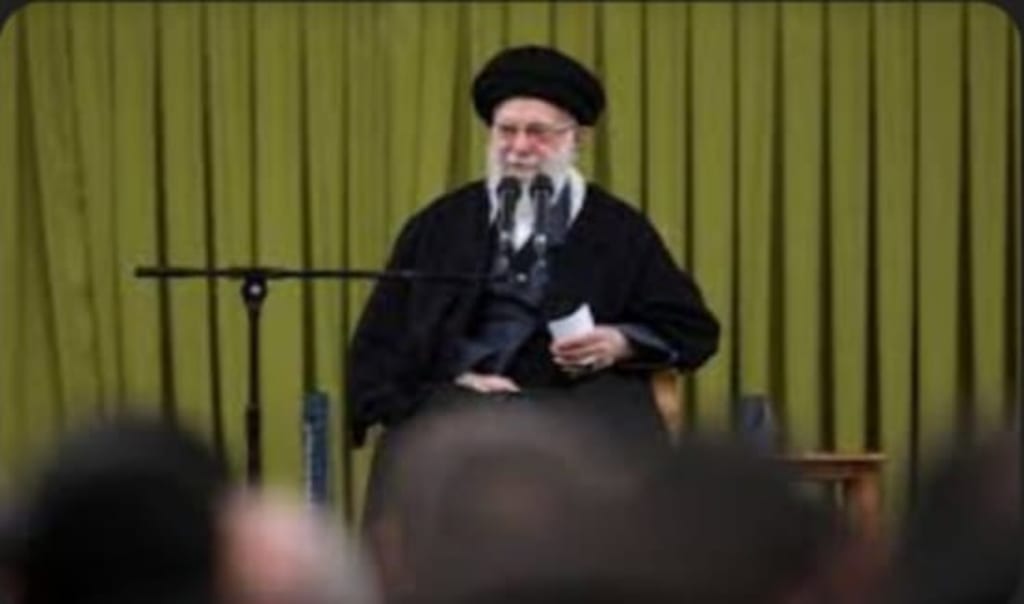
Diplomacy is often shaped not only by what is discussed, but also by where and how discussions take place. According to a recent Axios report, Iran has requested changes to both the venue and the format of its upcoming nuclear talks with the United States. This move has drawn international attention, as it signals a shift in Iran’s diplomatic strategy and raises questions about the future of negotiations aimed at preventing further nuclear escalation.
At first glance, changing the meeting location or structure may seem like a procedural detail. In reality, it carries deep political meaning. Venue and format can influence trust, power balance, and the tone of discussions. Iran’s request reflects a broader effort to regain leverage in talks that have long been strained by mistrust, sanctions, and geopolitical rivalries.
Why Iran Wants a Change
According to reports, Iran is seeking to move the talks from their originally planned location and adjust them from a broader, multilateral setting into a more focused bilateral framework with the United States. Tehran also prefers that the discussions concentrate strictly on nuclear issues rather than expanding into regional security or missile programs.
From Iran’s perspective, this approach offers more control. A bilateral format reduces the number of outside influences and allows Iran to engage directly with Washington without the pressure of allied states shaping the agenda. By narrowing the focus to nuclear matters alone, Iran aims to prevent negotiations from becoming complicated by unrelated political disputes.
This strategy also reflects Iran’s longstanding position: it views its nuclear program as a sovereign right and resists linking it to other military or political issues. In requesting a change, Iran is attempting to redefine the rules of engagement on terms it finds more acceptable.
Why Venue and Format Matter
In international diplomacy, symbolism matters. A neutral venue can suggest balance and trust, while a multilateral table implies accountability and shared responsibility. By pushing for a different location and a different structure, Iran may be signaling dissatisfaction with how previous discussions were framed.
The proposed change also highlights how fragile the current negotiation environment is. Trust between Iran and the United States has been damaged by years of sanctions, withdrawals from previous agreements, and military tensions in the Middle East. Even small disagreements about logistics can expose deeper political fractures.
Moreover, choosing a venue like Oman—often seen as a quiet mediator in past U.S.–Iran talks—could indicate Iran’s preference for indirect diplomacy, where messages pass through intermediaries rather than face-to-face confrontations. This method has historically helped keep channels open during periods of intense hostility.
The U.S. Perspective
From Washington’s standpoint, the request raises concerns. U.S. officials and allies tend to favor broader participation in talks to ensure transparency and international oversight. A multilateral format also strengthens pressure on Iran to comply with nuclear limits and discourages unilateral concessions.
There is also a political dimension. Any deal reached with Iran faces domestic scrutiny in the United States. A narrower, bilateral agreement could be viewed by critics as lacking legitimacy or enforcement mechanisms. As a result, U.S. negotiators may hesitate to accept Iran’s proposed changes without guarantees that progress will be meaningful.
Still, American officials have emphasized the importance of keeping diplomatic channels open. With military tensions already high in the region, dialogue remains one of the few tools capable of preventing escalation.
The Geopolitical Backdrop
These developments are unfolding against a tense global backdrop. The Middle East remains a region of competing alliances and unresolved conflicts. Iran’s relations with Western powers are complicated by sanctions, proxy conflicts, and mutual suspicion.
Recent incidents involving military assets and naval confrontations have only increased anxiety about potential miscalculations. In this environment, nuclear talks are not just about uranium enrichment levels—they are about avoiding a broader crisis that could destabilize an already fragile region.
Iran’s move to reshape the talks can be seen as part of a wider effort to assert independence and avoid appearing pressured by Western demands. It also reflects internal political considerations, as Iranian leaders must balance diplomacy with domestic expectations of strength and sovereignty.
What This Means for the Future
The big question now is whether these talks will proceed as planned or be delayed due to disagreements over format and location. If both sides compromise, negotiations could still move forward and produce incremental confidence-building steps. Even limited agreements on inspections or enrichment levels could reduce immediate tensions.
However, if the dispute over venue and format derails the talks entirely, the consequences could be serious. A breakdown in diplomacy may lead to tougher sanctions, increased military posturing, and heightened uncertainty in global energy markets. It could also push both sides into more rigid positions, making future negotiations even harder.
A Test of Diplomatic Will
Iran’s request to change the venue and format of nuclear talks is more than a logistical issue—it is a test of diplomatic flexibility on both sides. It reveals how sensitive and complex these negotiations have become, shaped by years of conflict and shifting global power dynamics.
For now, the world is watching to see whether diplomacy can adapt to these new demands or whether disagreements over structure will overshadow the substance of the talks. In a climate where trust is scarce and stakes are high, even the smallest diplomatic choices can shape the course of history.
If these talks succeed, they may open a narrow path toward stability. If they fail, they risk deepening divisions and pushing the region closer to confrontation. Either way, Iran’s move has already changed the tone of the conversation—and the next steps will be crucial in determining whether dialogue or discord defines the future of U.S.–Iran relations.
About the Creator
Sajida Sikandar
Hi, I’m Sajida Sikandar, a passionate blogger with 3 years of experience in crafting engaging and insightful content. Join me as I share my thoughts, stories, and ideas on a variety of topics that matter to you.
Keep reading
More stories from Sajida Sikandar and writers in The Swamp and other communities.
EUR/USD Holds Losses Following Strong U.S. Data and the U.S.–India Deal
The EUR/USD pair has remained under pressure after retreating from recent highs, holding onto losses as strong U.S. economic data and optimism surrounding the U.S.–India trade agreement boosted demand for the U.S. dollar. The combination of resilient American growth and improving global trade sentiment has reinforced expectations that the U.S. economy will continue to outperform its peers, leaving the euro struggling to regain momentum.
By Sajida Sikandar5 days ago in The Swamp
Why Black History Matters in America?
The United States of America is celebrating their 250th anniversary in 2026. I'm proud to be an American and as someone who was born here, I wouldn't imagine myself living anywhere else. This is a country where opportunities are possible. Where anyone can be successful in anything they desire to do. Equality, community, and togetherness are the backbones of what America is and should be about. However, we have an administration who wants to erase and disregard those who have made positive, meaningful impacts in our country, specifically Black figures, such as Martin Luther King, Jr., Rosa Parks, and Maya Angelou. President Trump and his administration have been constantly complaining and fighting against what they call the "Woke agenda". They use this excuse as a distraction from other issues they refuse to address, such as the high cost of living, climate change, and inflation. That equality is dividing America, when in reality, it's bringing us together. Being woke is not tied to a specific political party. No matter where you stand on the political spectrum, you can still care about other people and their plights. Compassion and empathy for others isn't tied to a political party, either. We were taught as children to treat others the way we want to be treated and not judge others because they're different from us. Caring about others isn't a personal attack on your beliefs. It doesn't make you any less of a person. People who are easily offended over African American figures, past or present, or anything related to it, are grasping at straws. Current and future generations need to know who people like Harriet Tubman and Shirley Chisholm were, especially in the classroom. Black History is part of American History. It should be recognized, not hidden or forgotten. Besides, you can't shield children from everything, just because your feelings are easily hurt.
By Mark Wesley Pritchard 7 days ago in The Swamp


Comments
There are no comments for this story
Be the first to respond and start the conversation.