
Inside the U.S. Operation to Oust Venezuela’s President
How Pressure, Sanctions, and Covert Strategy Shaped Washington’s Approach to Caracas

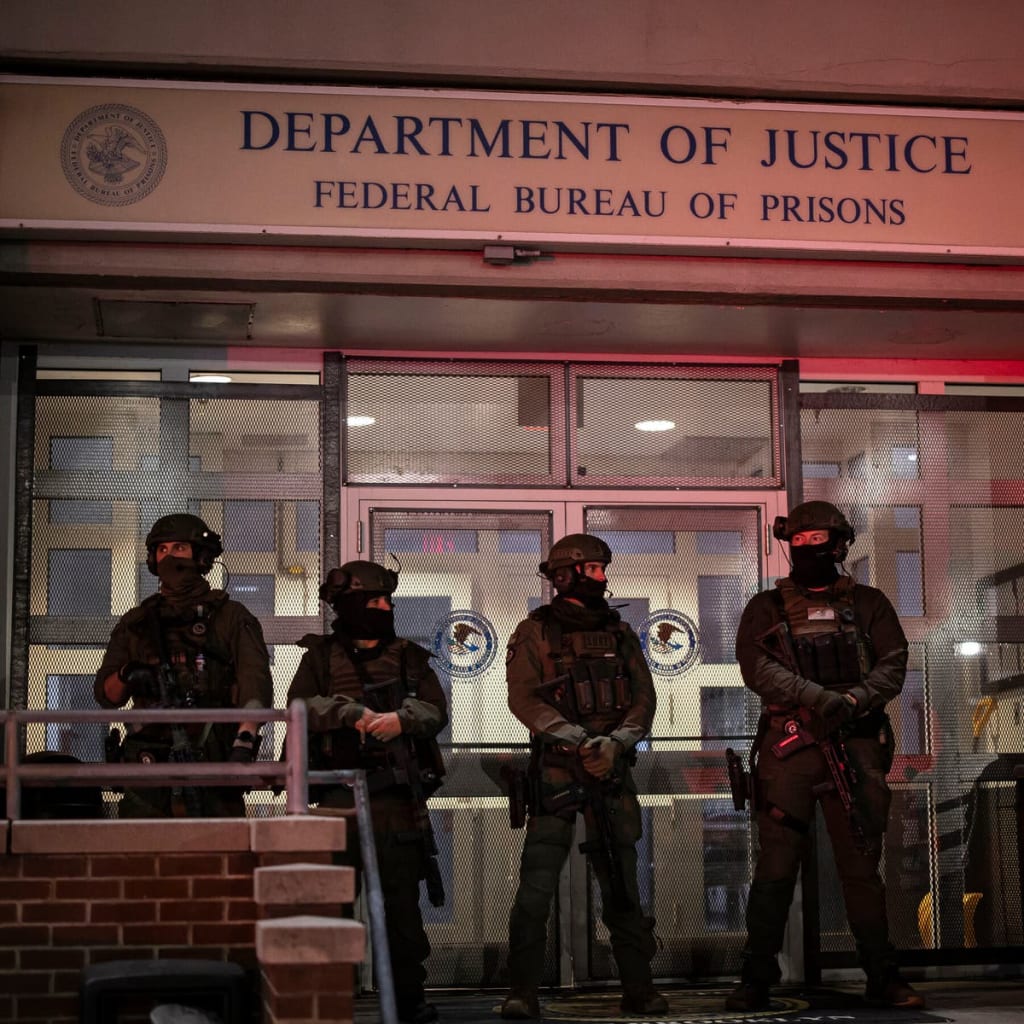
For more than a decade, Venezuela has stood at the center of one of the most contentious geopolitical standoffs in the Western Hemisphere. At the heart of this conflict lies a sustained U.S. effort to weaken — and ultimately remove — Venezuela’s sitting president, a campaign involving economic sanctions, diplomatic isolation, intelligence coordination, and regional pressure. While Washington has often framed its actions as support for democracy, critics argue the strategy has deepened instability and humanitarian suffering.
This article looks inside the U.S. operation to oust Venezuela’s president, examining how policy, power, and politics intersected behind the scenes.
Background: Venezuela’s Political Crisis
Venezuela’s political turmoil intensified after disputed elections, economic collapse, and widespread protests. Hyperinflation, food shortages, and a mass exodus of citizens created one of the worst humanitarian crises in Latin America’s modern history.
The United States accused Venezuela’s leadership of authoritarianism, corruption, and election manipulation. In response, Washington shifted from diplomatic pressure to a full-spectrum strategy aimed at forcing political change.
Economic Sanctions as a Central Weapon
One of the most visible tools in the U.S. strategy was economic sanctions. These measures targeted:
Venezuela’s oil industry, the backbone of its economy
Senior government officials and military leaders
Access to international financial systems
U.S. officials argued sanctions were meant to pressure elites, not ordinary citizens. However, international organizations and humanitarian groups warned that the restrictions worsened shortages of food, medicine, and fuel, amplifying civilian suffering.
Sanctions became both a pressure point and a political signal — isolating Venezuela while encouraging internal fractures.
Diplomatic Recognition and Opposition Support
A major turning point came when the U.S. formally recognized an opposition figure as Venezuela’s legitimate leader, bypassing the sitting president. This move was echoed by several U.S. allies and regional partners.
Washington provided diplomatic backing, financial assistance, and political legitimacy to opposition groups, hoping to spark defections within the Venezuelan military and bureaucracy. Despite early momentum, the strategy failed to produce a decisive internal collapse.
Behind-the-Scenes Intelligence and Coordination
Beyond public diplomacy, reports suggest covert intelligence operations played a role in monitoring military loyalty, tracking financial networks, and coordinating with regional allies.
While U.S. officials denied involvement in direct coup attempts, leaked documents and investigative reports revealed extensive behind-the-scenes engagement aimed at weakening the government’s grip on power.
This shadow strategy raised concerns about sovereignty and international law, particularly among countries wary of U.S. interventionism.
Regional and International Fallout
The effort to remove Venezuela’s president strained relations across Latin America. Some governments backed U.S. efforts, while others — including Mexico, Bolivia, and Cuba — condemned them as imperial overreach.
Russia, China, and Iran deepened ties with Caracas, providing economic relief, energy cooperation, and diplomatic cover. The standoff turned Venezuela into a global flashpoint, reflecting broader competition between world powers.
Humanitarian Impact and Public Criticism
As the pressure campaign intensified, humanitarian groups warned that political brinkmanship was harming ordinary Venezuelans. Millions fled the country, creating a regional refugee crisis.
Critics inside the U.S. questioned whether the strategy had backfired, entrenching the very leadership it sought to remove while diminishing America’s credibility on human rights.
Even some former U.S. officials acknowledged that regime-change strategies rarely produce stable outcomes without strong internal consensus.
A Strategy Under Reassessment
In recent years, Washington has shown signs of recalibration. Limited diplomatic contacts resumed, some sanctions were eased, and discussions shifted toward negotiated political solutions rather than outright removal.
The experience highlighted the limits of external pressure in reshaping deeply rooted political systems — especially when global rivals are willing to step in.
Conclusion
The U.S. operation to oust Venezuela’s president reveals the complexity — and controversy — of modern foreign intervention. What began as a campaign to restore democracy evolved into a prolonged geopolitical struggle with far-reaching consequences. While pressure tactics weakened Venezuela’s economy and isolated its leadership, they failed to deliver decisive political change. Instead, the crisis underscored how sanctions, covert strategies, and diplomatic recognition can reshape global alliances while leaving civilians caught in the middle. As Washington reassesses its approach, Venezuela remains a cautionary example of how power, politics, and principle collide on the world stage.
About the Creator
Asad Ali
I'm Asad Ali, a passionate blogger with 3 years of experience creating engaging and informative content across various niches. I specialize in crafting SEO-friendly articles that drive traffic and deliver value to readers.
The Forsyth House Fire
Since 1851, Forsyth House has stood on the corner of Union Street and Gordon Street in the heart of Glasgow. Its iconic, or was... because on Sunday 8th of March, 2026, a fire broke out in a small, seemingly un-named shop in the building and tore all that history down. As I write, the rubble is still unsettled and the street is still blocked off. Central Station is quiet on the upper level, and around 30 small businesses have quite literally gone up in smoke.
By S. A. Crawford2 days ago in The Swamp


Comments
There are no comments for this story
Be the first to respond and start the conversation.