
Indian Warplanes Turn Back in Kashmir After PAF’s Quick Reaction
Indian Rafale jets retreat over IIOJK after Pakistan Air Force's swift response, highlighting rising border tensions and military readiness.

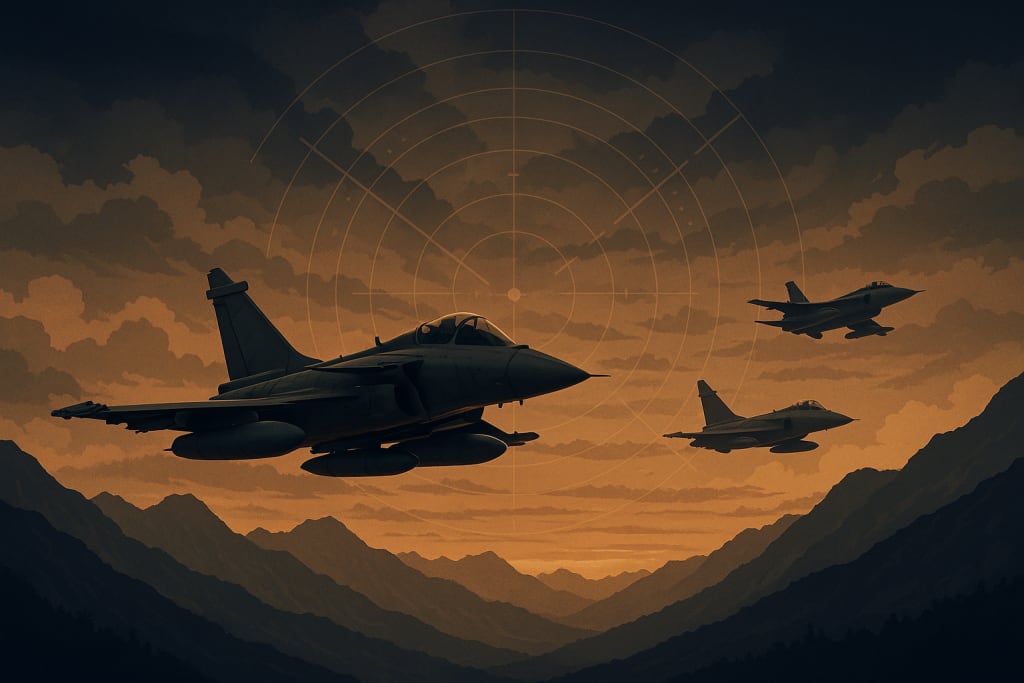
MUZAFFARABAD – The Pakistan Air Force (PAF) forced four Indian Rafale jets to retreat during a night patrol over Indian Illegally Occupied Jammu and Kashmir (IIOJK), as confirmed by the state-run Associated Press of Pakistan (APP), citing security sources.
The airspace incident reportedly occurred between the night of April 29 and the early hours of April 30. Four Indian Rafale fighter jets were conducting aerial patrols along the Line of Control (LoC). Though the patrol remained within Indian-administered airspace, Pakistani air defense systems picked up the movement and responded swiftly.
Swift PAF Response Neutralizes Threat
Upon detection, the PAF scrambled its own fighter jets to intercept the Indian aircraft. According to security officials, the prompt response left the Indian side flustered, causing the jets to immediately retreat back into Indian territory without any confrontation.
Sources emphasized that this event demonstrates the readiness and capability of Pakistan’s air force to defend its borders at a moment’s notice. It also serves as a message of deterrence against any miscalculated military maneuvers.
Increased Military Vigilance Along the LoC
In a separate but related incident, Pakistani troops downed two Indian surveillance drones attempting to breach airspace in the Bhimber sector of the LoC, particularly in the Manaawar area. The drones were reportedly engaged in unauthorized reconnaissance activities.
Security officials stated the drones were neutralized quickly, showcasing the Pakistan Army’s vigilance and technological preparedness. This marks a continuation of India’s frequent attempts to use unmanned aerial vehicles (UAVs) for espionage purposes along the sensitive border region.
Pakistan’s Forces on High Alert Amid Escalating Tensions
The recent airspace activity and drone incidents come at a time when bilateral tensions between India and Pakistan are rising sharply. Following the Pahalgam attack in IIOJK, which left 26 civilians—mostly tourists—dead, both countries have hardened their stances.
Indian officials blamed Pakistan for harboring the attackers, a claim Islamabad has denied vehemently. In turn, Pakistan has accused India of using the incident to escalate hostilities and justify military action.
UN and International Community Call for Restraint
United Nations Secretary-General António Guterres issued a statement urging both nuclear-armed neighbors to exercise maximum restraint. He reiterated the importance of diplomatic dialogue and offered the UN's support in facilitating de-escalation efforts.
Despite international calls for calm, regional security remains fragile. Continuous military movements along the LoC and heightened media rhetoric from both sides are contributing to a volatile situation.
India May Launch Strike Within 36 Hours: Tarar
Pakistan’s Minister for Information and Broadcasting, Attaullah Tarar, recently stated that credible intelligence indicates India may be preparing for a military strike within 24 to 36 hours. According to Tarar, India could use “baseless and fabricated allegations” linked to the Pahalgam attack as a pretext.
The minister warned that any such act of aggression would receive a strong and calculated response from Pakistan. He also urged the international community to monitor the situation closely and intervene to prevent escalation.
Airspace and Surveillance: A Repeating Pattern
This is not the first time Indian military aircraft have conducted provocative maneuvers near the LoC. Similar incidents in the past have raised regional tensions, including the high-profile 2019 Balakot strike and Pakistan’s subsequent downing of an Indian MiG-21.
The repeated use of spy drones and border air patrols reflects a growing trend in aerial reconnaissance and military posturing. These tactics not only test the adversary’s response time but also risk miscalculations that could escalate into full-blown conflict.
Pakistan’s Message: Prepared and Vigilant
Pakistan’s response in both the Rafale jet incident and the drone shootdowns sends a clear message: its armed forces are fully alert and will respond decisively to any act of provocation. Military experts believe that this show of defensive strength is intended to signal Pakistan’s deterrence capabilities while avoiding escalation.
Security analysts also note that Pakistan’s air force has maintained a strong posture through regular drills, technology upgrades, and real-time surveillance systems, particularly along the LoC and vulnerable border points.
Conclusion: Diplomatic Efforts Urgently Needed
With both countries locked in a cycle of military maneuvering and counteraction, the situation demands urgent diplomatic engagement. While the PAF’s swift actions may have prevented a larger confrontation, the risk of future missteps remains high.
Global stakeholders, including the UN, must step in to facilitate talks, reduce tension, and encourage transparency in regional defense activity. Both India and Pakistan must recognize the grave risks of continued escalation, particularly when airspace violations and aggressive surveillance are involved.
About the Creator
Matt Guides
I'm Just A Random Guy That Creates Content!
Keep reading
More stories from Matt Guides and writers in The Swamp and other communities.
India Bans 16 YouTube Channels Amid Rising Pakistan Tensions, BBC Warned
India has banned 16 YouTube channels, including six from Pakistan, for allegedly spreading disinformation that could harm national security and disrupt public order. This action, taken by the Ministry of Information and Broadcasting, highlights the Indian government's continued efforts to regulate online content and counter fake news campaigns. The British Broadcasting Corporation (BBC) also received a warning regarding some of its digital content.
By Matt Guides9 months ago in The Swamp
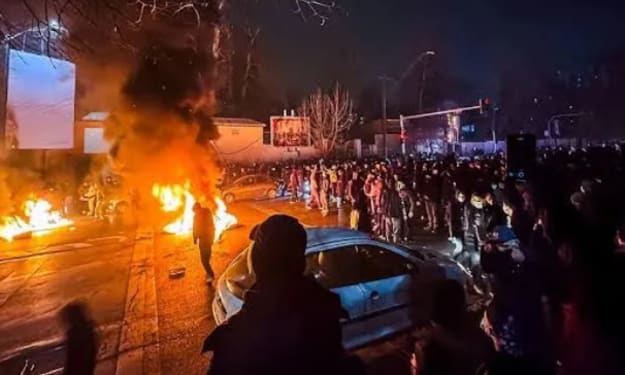
Iran Edges Closer to a Revolution That Would Reshape the World
For decades, Iran has existed in a state of controlled tension — balancing public dissent, economic pressure, and rigid political authority. Today, that balance appears more fragile than ever. From widespread protests and economic collapse to generational defiance and geopolitical strain, Iran is edging closer to a revolutionary moment that could dramatically reshape not only the Middle East, but the world.
By Aqib Hussain4 days ago in The Swamp


Comments
There are no comments for this story
Be the first to respond and start the conversation.