
I Didn’t Make a Mistake”: Trump Refuses to Apologize for Racist Video of the Obamas
The controversy over a racially offensive video reignites debates on political rhetoric, accountability, and racial discourse in America
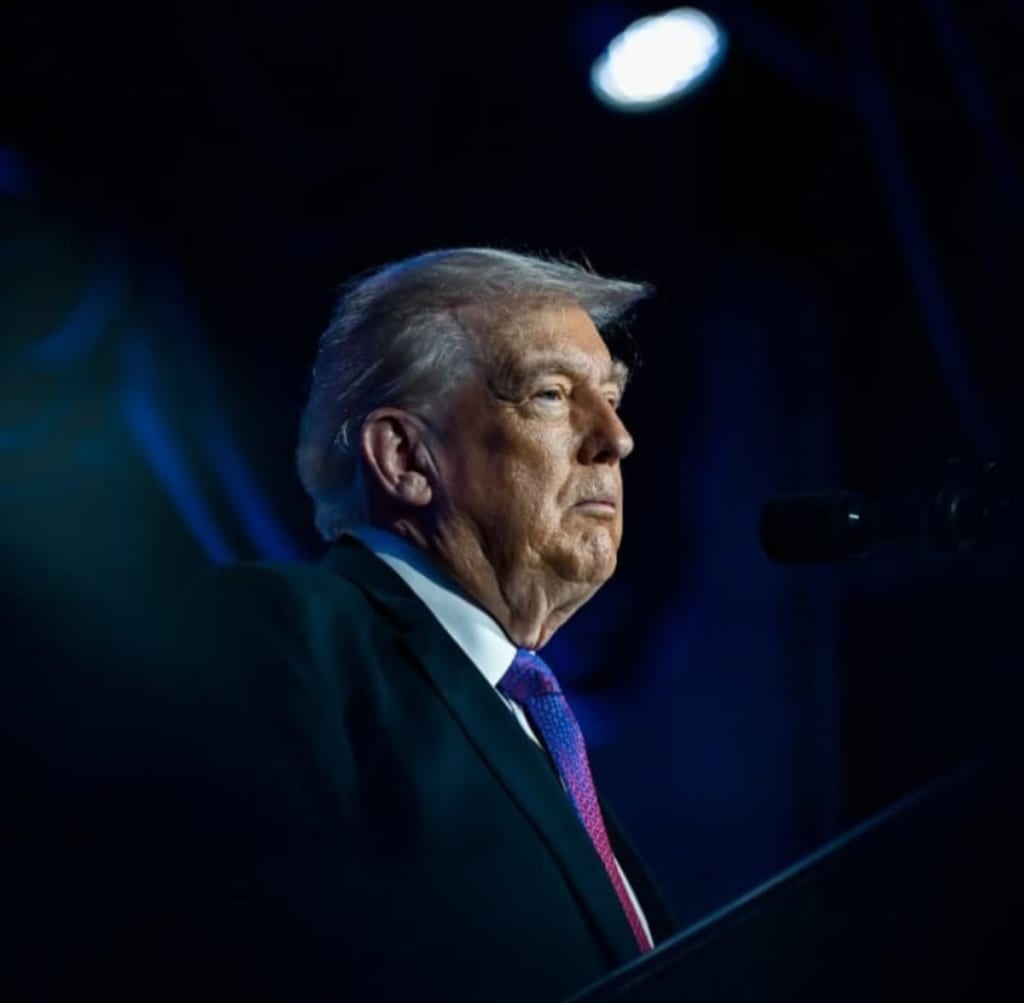
Former U.S. President Donald Trump has once again found himself at the center of controversy after refusing to apologize for sharing a video that critics describe as racially offensive toward former President Barack Obama and former First Lady Michelle Obama. In a statement defending his actions, Trump reportedly said, “I didn’t make a mistake,” signaling his refusal to retract or condemn the content.
The incident has reignited national debates over political rhetoric, racial sensitivity, accountability in public office, and the responsibility of influential leaders in shaping public discourse. Supporters argue Trump is exercising free speech and challenging political correctness, while critics accuse him of promoting divisive and harmful narratives.
The Video and the Backlash
The video in question circulated widely on social media, featuring content that critics labeled as racially insensitive and offensive. While Trump did not create the video himself, he amplified it by sharing it on his platform, which significantly increased its reach and impact.
Civil rights organizations, political leaders, and commentators quickly condemned the video, calling it a harmful example of racial stereotyping and political provocation. Many argued that sharing such content contributes to racial polarization and undermines efforts to promote unity in a diverse society.
Trump’s Response: No Apology
Rather than retracting or apologizing for sharing the video, Trump doubled down, stating that he did not believe he had done anything wrong. This stance reflects a broader pattern in Trump’s political style—resisting criticism and framing controversies as attacks by political opponents or the media.
Supporters praised Trump’s refusal to apologize, viewing it as a rejection of what they perceive as excessive political correctness. Critics, however, argue that refusing to acknowledge harm perpetuates racial tensions and undermines leadership responsibility.
Racial Discourse in American Politics
The controversy highlights the persistent role of race in American political discourse. Race has long been a sensitive and polarizing issue in U.S. politics, influencing elections, policy debates, and social movements.
Public figures have a powerful influence on how race is discussed. When leaders share or endorse racially offensive content, it can normalize prejudice and reinforce stereotypes. Conversely, responsible leadership can promote understanding and social cohesion.
This incident underscores the challenges of navigating racial issues in a highly polarized political environment.
Freedom of Speech vs. Responsibility
Trump’s refusal to apologize raises important questions about the balance between free speech and public responsibility. While political leaders have the right to express opinions, their words carry significant weight and consequences.
Freedom of speech protects expression, but it does not eliminate ethical responsibilities. Critics argue that sharing racially offensive content goes beyond political debate and into the realm of harmful rhetoric that can fuel discrimination and social division.
Supporters counter that labeling controversial content as racist can be subjective and politically motivated, arguing that open debate should not be restricted by social pressure.
Public Reaction and Political Fallout
The public reaction has been sharply divided. Many Democratic leaders and civil rights groups condemned Trump’s stance, calling it irresponsible and harmful. Some Republican figures also expressed concern, though others defended Trump’s right to share political commentary.
Social media platforms became battlegrounds for debate, with users arguing over whether the video constituted racism, satire, or political criticism. The controversy reflects the broader polarization of American society, where political identity often shapes perceptions of events.
Media and the Amplification Effect
The incident also highlights the role of media in amplifying political controversies. When high-profile figures share content, it spreads rapidly across traditional and digital platforms, often without context or verification.
Media coverage can either escalate tensions or encourage thoughtful discussion. Critics argue that sensational coverage can deepen divisions, while supporters say media scrutiny is essential for holding leaders accountable.
The viral nature of the video demonstrates how digital platforms magnify the impact of political messaging, making accountability more critical than ever.
The Obamas and Their Legacy
Barack and Michelle Obama remain influential public figures, admired by many for their leadership, advocacy, and cultural impact. They have often been targets of political criticism and racial hostility, reflecting broader societal tensions.
The video controversy adds to a long history of racially charged attacks against the Obamas, highlighting the enduring challenges faced by prominent Black leaders in American politics. Supporters of the Obamas argue that such incidents reveal systemic issues of race and representation.
Political Strategy or Personal Conviction?
Some analysts view Trump’s refusal to apologize as a political strategy aimed at energizing his base. Controversial statements often dominate news cycles, reinforcing Trump’s image as a defiant outsider challenging establishment norms.
Others believe Trump genuinely rejects the notion that the video was racist, reflecting his broader skepticism of mainstream media narratives and progressive social norms. Regardless of intent, the controversy illustrates how political communication can be both strategic and deeply personal.
Implications for American Democracy
This incident raises broader questions about political discourse and democratic values. Healthy democracies rely on respectful debate, accountability, and mutual respect. When leaders engage in divisive rhetoric, it can erode trust in institutions and deepen social fractures.
At the same time, controversies like this test the boundaries of free expression and political accountability. They force society to confront difficult questions about leadership, ethics, and the role of public figures in shaping cultural norms.
The Role of Accountability in Leadership
Leadership involves more than policy decisions; it also involves moral responsibility. Public leaders are role models whose actions influence millions of people. Apologizing for harmful content can demonstrate empathy and accountability, while refusing to do so can signal indifference to public concerns.
Trump’s refusal to apologize highlights contrasting leadership philosophies: one that prioritizes defiance and authenticity, and another that emphasizes sensitivity and responsibility. The debate over which approach is more effective continues to shape American political culture.
Conclusion
The controversy over Trump’s refusal to apologize for sharing a racially offensive video of the Obamas underscores the deep divisions in American politics and society. It reflects ongoing debates about race, free speech, political accountability, and the power of public rhetoric.
While supporters view Trump’s stance as a defense of free expression and political authenticity, critics see it as a harmful example of divisive leadership. The incident serves as a reminder of the influence political leaders wield and the importance of responsible communication in a diverse and democratic society.
As the political landscape continues to evolve, controversies like this will remain flashpoints in the ongoing conversation about race, power, and the future of American democracy.
About the Creator
Why Black History Matters in America?
The United States of America is celebrating their 250th anniversary in 2026. I'm proud to be an American and as someone who was born here, I wouldn't imagine myself living anywhere else. This is a country where opportunities are possible. Where anyone can be successful in anything they desire to do. Equality, community, and togetherness are the backbones of what America is and should be about. However, we have an administration who wants to erase and disregard those who have made positive, meaningful impacts in our country, specifically Black figures, such as Martin Luther King, Jr., Rosa Parks, and Maya Angelou. President Trump and his administration have been constantly complaining and fighting against what they call the "Woke agenda". They use this excuse as a distraction from other issues they refuse to address, such as the high cost of living, climate change, and inflation. That equality is dividing America, when in reality, it's bringing us together. Being woke is not tied to a specific political party. No matter where you stand on the political spectrum, you can still care about other people and their plights. Compassion and empathy for others isn't tied to a political party, either. We were taught as children to treat others the way we want to be treated and not judge others because they're different from us. Caring about others isn't a personal attack on your beliefs. It doesn't make you any less of a person. People who are easily offended over African American figures, past or present, or anything related to it, are grasping at straws. Current and future generations need to know who people like Harriet Tubman and Shirley Chisholm were, especially in the classroom. Black History is part of American History. It should be recognized, not hidden or forgotten. Besides, you can't shield children from everything, just because your feelings are easily hurt.
By Mark Wesley Pritchard 7 days ago in The Swamp



Comments
There are no comments for this story
Be the first to respond and start the conversation.