
How Trump’s Tariffs on China Disrupted Apple’s iPhone Supply Chain and Global Strategy.
Exploring the Economic Impact of Tariffs on Apple’s Production Pricing and Global Strategy

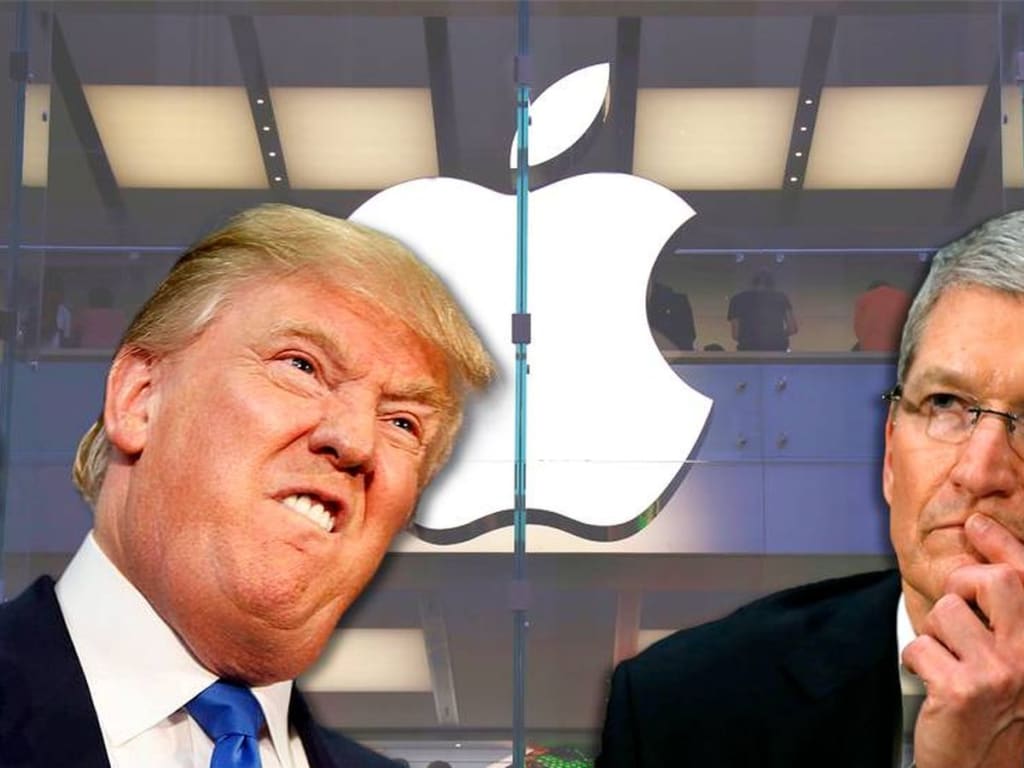
How Trump’s Tariffs on China Disrupted Apple’s iPhone Supply Chain and Global Strategy.
In an ever globalizing economy where tech giants like Apple have mastered the art of supply chain optimization, political and economic decisions on tariffs can have far-reaching consequences. One such decision former President Donald Trump’s aggressive tariff policies on China has significantly shaken the foundations of Apple’s iPhone empire. These tariffs, aimed at reducing the U.S. trade deficit and bringing manufacturing back to American soil have disrupted not only the tech industry but also the delicate ecosystem on which Apple relies to produce its flagship product the iPhone.
The Tariff Timeline
In 2018 President Trump began implementing tariffs on hundreds of billions of dollars' worth of Chinese goods citing unfair trade practices and intellectual property theft. Apple whose iPhone supply chain is deeply entwined with Chinese manufacturers found itself caught in the crossfire. The 15% tariffs imposed on consumer electronics directly impacted the cost of producing and importing iPhones into the U.S. market. Apple’s initial response was diplomatic. CEO Tim Cook met with President Trump multiple times urging him to reconsider or provide exemptions. Cook warned that these tariffs would hurt Apple’s competitiveness especially against rivals like Samsung, whose supply chain was less dependent on China.
Rising Costs and Strategic Shifts
One of the most immediate impacts of the tariffs was the rise in production costs. Apple faced the difficult decision of whether to absorb the added expenses or pass them on to consumers. For a premium product already priced at a premium raising costs further risked alienating customers. Behind the scenes Apple began exploring ways to diversify its supply chain. The company increased its investments in manufacturing facilities in countries like India and Vietnam aiming to reduce its dependency on China. However shifting such a complex operation is neither easy nor fast. Apple's Chinese suppliers are highly specialized, and duplicating that efficiency elsewhere is a long term endeavor. In the meantime Apple was forced to deal with the short term consequences. Profits tightened stock volatility increased and questions loomed over the future of Apple’s iPhone production dominance.
Market Reactions and Consumer Sentiment
The markets did not react kindly to the trade tensions. Apple’s stock price dipped multiple times during key tariff announcements and escalations. Investors feared long term implications such as disrupted product launches production delays and an inability to maintain profit margins. Consumer sentiment was also affected. In the U.S some customers delayed or skipped upgrades due to price concerns. Meanwhile, in China a critical market for Apple nationalist backlash against American products grew posing a dual threat to both supply and demand.
The Global Ripple Effect
Apple is not the only tech company affected but as one of the world’s most valuable firms its challenges reverberate across the industry. Suppliers many of whom rely heavily on Apple orders also felt the impact of shifting strategies and uncertain demand forecasts. Additionally Apple's troubles drew attention to the vulnerabilities of relying on a single country for manufacturing. Companies across industries began reassessing their supply chains a trend that continues to shape global trade dynamics today.
Looking Ahead
While President Trump is no longer in office the ripple effects of his trade policies remain. Apple continues to invest in supply chain diversification and local manufacturing initiatives including a growing presence in India. However the geopolitical landscape remains unstable and future administrations may reimpose or escalate similar measures. What is clear is that the Trump-era tariffs have permanently altered Apple’s strategic direction. Once celebrated for its smooth China centric production machine Apple now finds itself navigating a more complex less predictable global economy. The iPhone, a symbol of sleek design and innovation now also represents the challenges of doing business in a politically charged, economically interdependent world. And for Apple the foundation may still be strong but it has undeniably been shaken.
SEO KEYWORD:
Trump tariffs on China, Apple iPhone tariffs, impact of tariffs on Apple, Apple supply chain China, Trump trade war Apple, Apple manufacturing in China, Apple iPhone production cost, Trump administration tariffs, Apple response to tariffs, China-US trade war tech industry, Apple supply chain diversification, Trump tariffs effect on tech, Apple iPhone price increase, Apple CEO Tim Cook Trump, Apple manufacturing shift India,
Discover how Trump’s tariffs on China shook Apple’s iPhone empire, raising production costs, disrupting its supply chain, and forcing a global manufacturing shift. Learn what this means for Apple’s future.
About the Creator
Adnan Rasheed
Author & Creator | Writing News , Science Fiction, and Worldwide Update| Digital Product Designer | Sharing life-changing strategies for success.
Keep reading
More stories from Adnan Rasheed and writers in The Swamp and other communities.
Trump Fires 6 NSC Officials After Laura Loomer Meeting The Real Reason Revealed!
Trump Fires 6 NSC Officials After Laura Loomer Meeting The Real Reason Revealed! In a shocking turn of events former President Donald Trump has dismissed six senior officials from the National Security Council (NSC) following a private Oval Office meeting with controversial right wing activist Laura Loomer. The unexpected move has sparked widespread speculation and debate in political circles, raising questions about the motivations behind these firings.
By Adnan Rasheed10 months ago in The Swamp
Here’s Where Trump’s Most Jaw-Dropping Promises Stand a Year Into His Second Term
It’s been a year since Donald Trump began his second term as President of the United States, and the results of his boldest, most jaw-dropping promises are starting to take shape—or fall flat. Some initiatives have already made waves in policy and media; others are stuck in bureaucracy, legal fights, or political gridlock. And a few have quietly faded from view.
By Aqib Hussainabout 20 hours ago in The Swamp
Miss Persephone's Manual to a Seemingly Ordinary Life
Miss Persephone was found at the dining table, her blue eyes swollen, her tears arriving and retreating like the tides of the ocean. Earlier that day, her family had visited her in the retirement home where she had lived for eight years. It was her eightieth birthday.
By Imola Tóth4 days ago in Fiction



Comments
There are no comments for this story
Be the first to respond and start the conversation.