
How the US-China Trade War Affects the Rest of the World
The US-China trade war is once again at an all-time high. Trump's veto of Huawei for "national security" reasons has resulted in American companies not being able to work with the Chinese company and this has direct consequences on users around the world.

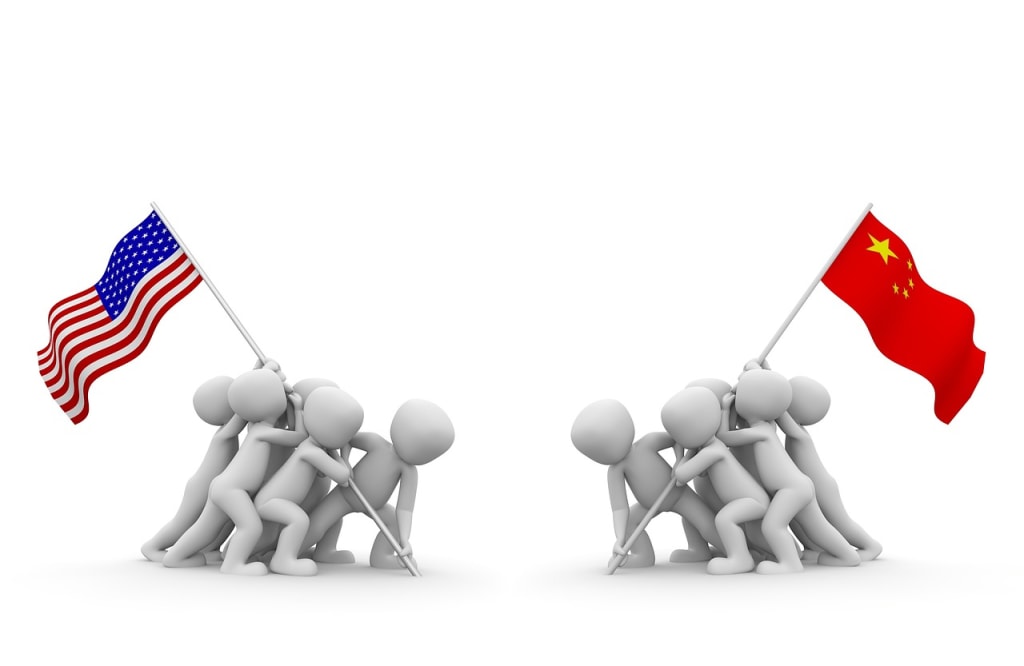
The first to react has been Google, which can no longer provide its Android services to Huawei. This means that the largest mobile vendor in Spain cannot continue to offer Google Play and other Google applications with their new terminals, something unimaginable for anyone using an Android today.
The big question now is whether the trade war will have more effects on Spanish, Latin American, and European customers, and whether it will continue to affect large international technology companies.
The commercial war and its derivatives
Photo by Annie Spratt on Unsplash
A trade war between two countries involves both countries raising import tariffs so that imports are less attractive to their citizens and they reduce their purchases from the countries concerned.
In the case of the US and China, both countries have raised tariffs on imports of products from the other country. Therefore, any Chinese product that is affected by higher tariffs will be more expensive in the US and vice versa.
Now, how does this affect the American technology companies that are so present in our lives? Basically, if the services they provide or the goods they sell in China are taxed by higher tariffs, they will sell less in this country and this will affect their accounts.
Companies like Facebook or Google barely have operations in China, so in principle, it shouldn't have a big impact on their accounts. Microsoft does sell in China, and it also has a problem similar to Google's: Its products are distributed by Chinese companies all over the world.
The case of Apple is something special because it has a double aspect. On the one hand, its sales in China are important, but for the moment, they are not affected by higher tariffs (yes, Apple manufactures in China, but "imports" intellectual property).
But on the other hand, the phones that Apple sells in the US are manufactured in China and therefore could be affected by these tariffs (at the moment, they do not apply).
For Amazon, China (at least the domestic market) has never been a major source of revenue. In fact, it has recently decided to close its internal marketplace.
Other businesses, such as the sale of Chinese products to the rest of the world, could be affected either by unconventional trade warfare (more on this below) or by tariffs.
That the big tech companies are affected by the trade war is not good for them, of course, but neither for those of us who use their products and services.
If they want to follow their high growth rate, they will probably have to employ strategies to increase their income in the rest of the world, either with higher prices on the products they sell or with more intrusive advertisements to better monetize their free services.
Unconventional warfare

Photo by Ferdinand Stöhr on Unsplash
However, as in any war, there is foul play. And in this case, the US is using other tools to harm the enemy. In the recent case of Huawei, putting the Chinese company on the Entitiy List, which prevents it from doing business with American companies (for supposed national security reasons).
This situation would directly affect Google, who despite not having a direct business in China, does have it indirectly through the mobiles of Chinese companies sold around the world, which have their services and their ads.
If Huawei starts selling mobiles without Google Play, this could affect Google's revenues and profits.
China could use its "red button:" sell US debt
Photo by chuttersnap on Unsplash
This has only just begun; and although the US has attacked one of China's great symbols, Huawei, very strongly, if it continues to harm Chinese companies, it could end up hurting other US companies as Google is doing.
In addition, China can also use tactics that are not strictly tariff-based. On the one hand, China can use Apple's wild card: Veto its sale of its products in the Asian country.
This would greatly affect one of the largest companies in the world. In fact, the fall in iPhone sales in China is already worrying, and even if it is not due to the direct consequences of the commercial war, there may be some nationalist sentiment among the Chinese that makes them reject American products.
Finally, China could use its "red button:" Sell American debt. The Central Bank of China has large reserves of US debt. And it could sell it to make it harder for the US government to finance itself.
It would be an expensive option (selling something massively to do damage means that this good is worth less, and therefore China would be squandering much of its savings by the trade surplus), but it would certainly destabilize the US economy.
How does it affect the rest of the world?
Photo by Artem Beliaikin on Unsplash
Latin America and Spain are out of this trade war, and in principle, the effects are indirect. Huawei has been a very successful mobile provider in recent years in providing good quality handsets at a price lower than the competition.
From now on, if the US measures are not reversed, either we will have one less brand to choose from or their mobiles will be "captured" without Google services, resulting in a worse user experience
In the area of non-Huawei products, we can also suffer the consequences. The simple increase of tariffs makes Chinese companies with American suppliers increase their costs, and this will surely affect the final price of the product.
And the reverse is also true: Any American product with Chinese suppliers will be more expensive. In a world as intertwined and global as the one in which we live, an increase in tariffs between two countries as powerful affects the whole world.
On the positive side, perhaps there are local companies that can take advantage of this opportunity to position themselves better in the international market.
For example, Spanish companies that manage to export more (either in China or the US) because their competitors are now more expensive for a simple tax reason. This would result in an increase in GDP (more sales, more dividends, and more employment).
About the Creator
creatorsklub
Collaborations? DM us: x.com/creatorsklub
Keep reading
More stories from creatorsklub and writers in The Swamp and other communities.
Living In Venezuela Today Has A Very High Psychological Cost
The Venezuelan crisis is economic, political, and also emotional. The exodus of hundreds of thousands of compatriots fleeing from hyperinflation, scarcity, violence, and misery fractures families and breaks the national soul. As a consequence, a new division is created in this republic already divided into a thousand pieces: those who stay and those who leave.
By creatorsklub7 years ago in The Swamp


Comments
There are no comments for this story
Be the first to respond and start the conversation.